Introduction
Blister packaging is one of the most common pharmaceutical packaging methods used worldwide. If you have ever purchased tablets or capsules sealed inside small plastic pockets with foil backing, you have already seen blister packaging in pharmacy. This packaging system protects medicines from moisture, contamination, light, and physical damage while making doses easier to manage.
Today, pharmaceutical companies prefer blister packs because they improve product safety and extend shelf life. Patients also benefit because blister packs help organize medication and reduce dosage mistakes. As healthcare standards continue to rise, blister packaging has become essential for pharmacies, hospitals, and medicine manufacturers.
In this article, you will learn what blister packaging in pharmacy means, how it works, its types, advantages, disadvantages, and why it is widely used in modern pharmaceutical industries.
Understanding What Is Blister Packaging in Pharmacy
Blister packaging in pharmacy refers to a packaging system where medicine is sealed inside individual cavities or pockets. These cavities are usually made from plastic materials such as PVC or PET. A backing layer, often aluminum foil, seals the medicine securely inside the cavity.
This design creates individual units for tablets, capsules, or soft gels. Each dose remains protected until the patient pushes it out through the foil.
Pharmaceutical companies use blister packaging because it keeps medicine stable for longer periods. Moreover, it prevents exposure to air and humidity that may reduce the effectiveness of drugs.
Blister packs are commonly used for:
- Tablets
- Capsules
- Lozenges
- Medical devices
- Syringes
- Diagnostic products
Because of their convenience and safety, blister packs dominate pharmaceutical packaging markets across the globe.
How Blister Packaging Works
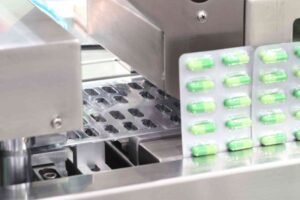
The process of blister packaging starts with forming plastic sheets into cavities using heat and pressure. Once the cavities are created, medicines are placed into them automatically by machines. After filling, aluminum foil or another backing material seals the cavities tightly.
Each medicine remains isolated in its own compartment. Therefore, patients only expose one dose at a time instead of opening the entire container.
This controlled packaging system offers excellent protection against environmental factors. As a result, medicines remain potent and safe during storage and transportation.
Modern pharmaceutical companies also add printed information on blister packs. These details may include:
- Expiry date
- Batch number
- Dosage instructions
- Brand information
- Safety warnings
This improves traceability and patient safety significantly.
Types of Blister Packaging in Pharmacy
Different medicines require different packaging solutions. Therefore, pharmaceutical manufacturers use several types of blister packaging depending on product sensitivity and storage requirements.
Cold Form Blister Packaging
Cold form blister packs use aluminum-based laminate films. Manufacturers form cavities through pressure instead of heat. This method creates strong barriers against moisture, oxygen, and light.
Cold form blister packaging is ideal for highly sensitive medicines that require maximum protection.
Thermoformed Blister Packaging
Thermoformed blister packaging uses heated plastic sheets to create cavities. This method is more affordable and allows transparent packaging so patients can see the medicine inside.
Thermoformed packs are widely used for standard tablets and capsules.
Child-Resistant Blister Packs
Some medicines can be dangerous for children. Therefore, manufacturers create child-resistant blister packaging with additional safety mechanisms.
These packs reduce accidental medicine consumption among children while remaining accessible for adults.
Unit Dose Blister Packaging
Hospitals and healthcare facilities often use unit dose blister packs. Each cavity contains a single medication dose for one administration time.
This system improves medication management and reduces errors in hospitals and nursing homes.
Benefits of Blister Packaging in Pharmacy
Blister packaging offers many advantages for pharmaceutical companies, pharmacies, and patients. Its growing popularity is directly linked to these benefits.
Better Medicine Protection
One of the biggest advantages of blister packaging is superior protection. Medicines stay safe from:
- Moisture
- Oxygen
- Dust
- UV light
- Contamination
This helps preserve drug stability and effectiveness.
Improved Patient Compliance
Blister packs make it easier for patients to follow medication schedules. Each dose is separated clearly, which helps patients avoid missed or duplicate doses.
Many pharmaceutical companies print days of the week on blister packs. This further improves medication adherence.
Extended Shelf Life
Because blister packs offer excellent barrier protection, medicines maintain their quality for longer periods. This reduces waste and increases product reliability.
Easy Transportation
Blister packs are lightweight, compact, and durable. Therefore, they are easier to transport than glass bottles or jars.
Tamper Evidence
Blister packaging provides visible tamper evidence. If the foil seal is broken, patients immediately know the product may have been opened or compromised.
This increases consumer trust and pharmaceutical safety.
Materials Used in Blister Packaging
Several materials are commonly used in pharmaceutical blister packaging. Each material provides different levels of protection and flexibility.
PVC (Polyvinyl Chloride)
PVC is widely used because it is affordable and transparent. However, it offers moderate moisture protection.
PVDC (Polyvinylidene Chloride)
PVDC-coated films improve barrier properties significantly. They provide better protection against moisture and oxygen.
Aluminum Foil
Aluminum foil is commonly used as the backing material. It offers excellent barrier protection and helps maintain medicine stability.
PET (Polyethylene Terephthalate)
PET is durable and recyclable. It is increasingly popular because of environmental concerns surrounding plastic waste.
Manufacturers carefully choose materials depending on the medicine’s sensitivity and storage requirements.
Importance of Blister Packaging in Modern Pharmacies
Modern pharmacies rely heavily on blister packaging because it improves efficiency and patient safety. Pharmacists can dispense medicines more accurately when doses are individually packaged.
Additionally, blister packaging reduces cross-contamination risks. This is especially important for sensitive medicines and hospital environments.
Pharmacies also appreciate the organizational benefits of blister packs. Medicines are easier to store, count, and distribute.
As pharmaceutical regulations become stricter, blister packaging continues to grow in importance worldwide.
Sustainability and Eco-Friendly Blister Packaging
Environmental concerns are pushing pharmaceutical companies toward sustainable packaging solutions. Traditional plastic blister packs can contribute to waste problems if not recycled properly.
Therefore, many companies now invest in recyclable and biodegradable materials. Some manufacturers use paper-based blister packaging or recyclable PET materials to reduce environmental impact.
Packaging companies are also redesigning packs to use less plastic while maintaining product protection.
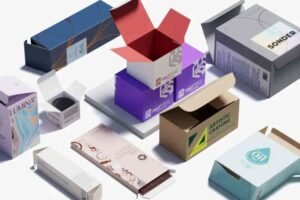
Businesses involved in custom packaging solutions often explore innovative packaging styles such as comb box designs for safer and more organized product presentation.
Sustainability is becoming a major factor in pharmaceutical packaging development. As a result, eco-friendly blister packaging will likely dominate future markets.
Challenges of Blister Packaging in Pharmacy
Although blister packaging offers many benefits, it also has some challenges.
Higher Manufacturing Costs
Blister packaging equipment can be expensive. The production process requires specialized machinery and materials.
Recycling Difficulties
Some blister packs combine plastic and aluminum layers, making recycling more difficult. Separating these materials requires advanced recycling systems.
Limited Capacity
Blister packs are suitable for unit doses but may not work well for very large quantities of medicines.
Despite these challenges, the benefits usually outweigh the disadvantages for pharmaceutical companies and healthcare providers.
Future Trends in Pharmaceutical Blister Packaging
Pharmaceutical packaging technology continues evolving rapidly. Companies now focus on smart packaging innovations that improve patient engagement and medicine tracking.
Future blister packs may include:
- QR codes
- Smart sensors
- Digital reminders
- Anti-counterfeit technologies
- Sustainable materials
These advancements aim to improve medication adherence, product security, and environmental sustainability.
Additionally, customized packaging solutions are becoming more popular across healthcare and consumer industries. Specialized packaging products like contact lens boxes demonstrate how packaging innovation improves product protection and branding across multiple sectors.
The future of blister packaging in pharmacy looks highly advanced and patient-focused.
Common Uses of Blister Packaging in Healthcare
Blister packaging is not limited to retail medicines alone. Healthcare providers use it in many medical settings.
Hospitals use unit-dose blister packs to reduce medication errors. Nursing homes use calendar blister packs to organize daily medicines for elderly patients.
Pharmaceutical companies also use blister packaging for clinical trials because it simplifies dosage tracking and inventory management.
Even over-the-counter products such as vitamins and pain relievers commonly use blister packs because consumers prefer convenient packaging.
This versatility explains why blister packaging remains one of the most trusted pharmaceutical packaging systems globally.
FAQs
What is blister packaging in pharmacy used for?
Blister packaging in pharmacy is used to protect medicines from moisture, contamination, light, and air. It also helps organize individual doses for safer medication management.
Why do pharmaceutical companies use blister packs?
Pharmaceutical companies use blister packs because they improve medicine stability, extend shelf life, provide tamper evidence, and increase patient compliance.
What materials are used in pharmaceutical blister packaging?
Common materials include PVC, PVDC, PET plastic, and aluminum foil. These materials protect medicines from environmental damage.
Is blister packaging safe for medicines?
Yes, blister packaging is considered very safe. It protects medicines from contamination and helps maintain drug effectiveness during storage.
Can blister packaging be recycled?
Some blister packaging materials can be recycled, especially PET-based packs. However, mixed plastic and aluminum packs may require specialized recycling processes.
Conclusion
Understanding what is blister packaging in pharmacy helps explain why it has become a critical part of modern healthcare. This packaging system protects medicines, improves patient safety, extends shelf life, and supports better medication management.
Pharmaceutical companies continue investing in advanced blister packaging because it delivers both practical and commercial benefits. At the same time, sustainability innovations are shaping the future of eco-friendly pharmaceutical packaging.
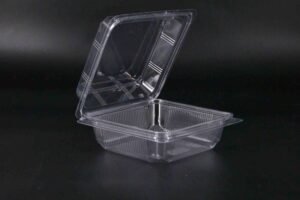
Clam packaging is a popular retail packaging solution designed to protect products while displaying them clearly to customers. Commonly made from transparent plastic, it securely seals items such as electronics, food, cosmetics, and toys. Businesses prefer clam packaging because it improves product visibility, prevents tampering, and enhances shelf appeal. Its durable design also helps keep products safe during storage and transportation.