Introduction
The question how many companies use eco friendly packaging has become increasingly important as sustainability continues to shape consumer preferences and business strategies worldwide. Over the past decade, environmental concerns have pushed organizations to rethink traditional packaging methods and adopt greener alternatives. Today, businesses of all sizes are investing in sustainable materials, reducing waste, and improving their environmental impact through eco-friendly packaging solutions.
While exact numbers vary across industries and regions, research consistently shows that a significant percentage of companies have already implemented some form of sustainable packaging. Large corporations, e-commerce brands, food manufacturers, and cosmetic companies are leading the transition. As regulations become stricter and customer expectations rise, even small businesses are recognizing the importance of environmentally responsible packaging.
How Many Companies Use Eco Friendly Packaging Today?
When discussing how many companies use eco friendly packaging, it is important to recognize that adoption rates continue to increase every year. Surveys conducted across global markets indicate that a majority of consumer-facing companies have implemented at least one sustainable packaging initiative. Many organizations now use recyclable materials, biodegradable alternatives, or reduced packaging designs to minimize environmental impact. Large multinational companies have taken the lead by committing to sustainability goals. Retail giants, food manufacturers, and beauty brands have publicly announced targets to reduce plastic waste and improve recyclability. At the same time, small and medium-sized enterprises are embracing sustainable solutions to meet customer demands and strengthen brand reputation.
The rise of environmental awareness has accelerated this movement significantly. Consumers increasingly prefer brands that demonstrate genuine commitment to sustainability. Consequently, businesses that fail to adopt eco-friendly practices may risk losing market share to competitors that prioritize environmental responsibility.
Why Companies Are Switching to Eco-Friendly Packaging
Several factors explain why more organizations are adopting sustainable packaging solutions. First, customer expectations have changed dramatically. Modern consumers actively seek products that align with their environmental values. They are often willing to support brands that use sustainable materials and reduce waste. Second, governments worldwide are implementing regulations that encourage environmentally responsible packaging. Restrictions on single-use plastics and waste reduction initiatives have motivated businesses to explore alternative materials.
Third, eco-friendly packaging can improve brand perception. Customers often associate sustainable packaging with quality, innovation, and corporate responsibility. This positive perception can lead to increased customer loyalty and stronger long-term relationships. In addition, sustainable packaging may reduce costs over time. Lightweight materials can lower shipping expenses, while efficient packaging designs can decrease material consumption. As a result, environmental responsibility and profitability frequently go hand in hand.
Industries Leading the Adoption of Sustainable Packaging
The answer to how many companies use eco friendly packaging varies depending on the industry. Certain sectors have embraced sustainability more rapidly than others. The e-commerce industry stands out as one of the largest adopters. Online retailers ship millions of packages daily, making packaging sustainability a significant priority. Many businesses now use recyclable cardboard, paper-based fillers, and biodegradable shipping materials.
The cosmetics industry has also made substantial progress. Beauty brands increasingly use refillable containers, recycled materials, and sustainable alternatives to traditional plastic packaging. Companies selling products in custom soap boxes often choose eco-friendly cardboard and recyclable printing methods to align with consumer expectations. Businesses looking for sustainable packaging solutions can explore custom soap boxes designed with environmental responsibility in mind. Food and beverage companies are another major contributor to sustainable packaging adoption. Many manufacturers have transitioned to recyclable containers and compostable materials to reduce waste and meet regulatory requirements.
Consumer Demand and Its Influence on Packaging Trends
Consumer behavior plays a critical role in determining how many companies use eco friendly packaging. Today’s buyers are more informed about environmental issues than ever before. They research products, compare brands, and evaluate sustainability commitments before making purchasing decisions. Social media has amplified awareness regarding packaging waste and environmental impact. Customers frequently share opinions about brands that use excessive packaging or non-recyclable materials. Conversely, companies that demonstrate sustainable practices often receive positive recognition.
As a result, businesses are responding directly to market demand. Sustainable packaging has become a powerful marketing tool that differentiates brands in competitive industries. Organizations understand that environmentally conscious consumers are more likely to support businesses that share their values.
Types of Eco-Friendly Packaging Used by Companies
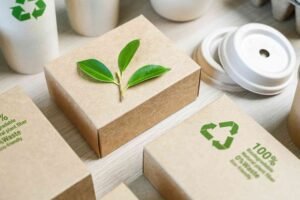
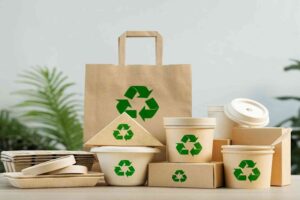
Companies implementing sustainable packaging use various materials and strategies to reduce environmental impact. Recycled paper and cardboard remain among the most popular options due to their accessibility and recyclability. Biodegradable packaging is another growing category. These materials naturally decompose over time, reducing landfill waste and environmental pollution. Compostable packaging offers similar benefits by breaking down into nutrient-rich organic matter under proper conditions.
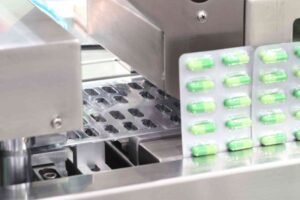
Reusable packaging solutions are also gaining traction. Some companies encourage customers to return containers for refilling or reuse, creating a circular economy model that minimizes waste. Many product manufacturers also utilize sustainable display packaging such as blister cards produced from recyclable materials. These packaging solutions provide product visibility while supporting environmental objectives. Businesses interested in sustainable retail packaging can learn more about blister cards that combine functionality with eco-friendly design.
Benefits of Eco-Friendly Packaging for Businesses
The growing number of companies using sustainable packaging reflects the substantial advantages these solutions provide. One major benefit is enhanced brand reputation. Consumers increasingly trust businesses that demonstrate environmental responsibility. Eco-friendly packaging can also improve customer retention. Many buyers actively seek sustainable brands and remain loyal to companies that align with their values. This loyalty often translates into repeat purchases and positive word-of-mouth marketing.
Operational efficiency represents another important advantage. Sustainable packaging designs frequently use fewer materials and occupy less space during shipping. These improvements can reduce transportation costs and lower overall packaging expenses. Furthermore, sustainable packaging helps companies prepare for future regulations. Businesses that adopt environmentally responsible practices early may avoid costly adjustments when new laws are introduced.
Challenges Companies Face When Adopting Sustainable Packaging
Although adoption continues to grow, challenges remain. Initial implementation costs can be higher than traditional packaging options. Some eco-friendly materials require new production processes or supplier relationships. Availability of sustainable materials may also vary by region. Companies sometimes struggle to source environmentally responsible packaging at the scale required for large operations.
Performance considerations present another challenge. Certain industries require packaging that provides exceptional durability, moisture resistance, or product protection. Finding sustainable alternatives that meet these requirements can take time and investment. However, ongoing innovation continues to address these concerns. Material science advancements are producing stronger, more affordable, and more versatile sustainable packaging solutions every year.
Future Outlook for Eco-Friendly Packaging Adoption
The future suggests even greater adoption rates. Experts predict that the percentage of businesses using sustainable packaging will continue to increase significantly over the coming years. Consumer expectations, regulatory pressure, and technological innovation are all contributing to this trend. Many companies have announced ambitious sustainability goals extending through the next decade. These commitments include reducing virgin plastic usage, increasing recycled content, and improving packaging recyclability.
Emerging technologies are also making sustainable materials more accessible and cost-effective. As production scales increase, prices are expected to become more competitive, encouraging broader adoption across industries. Consequently, when asking how many companies use eco friendly packaging, the answer will likely continue to grow as sustainability becomes a standard business practice rather than a unique selling point.
Conclusion
Understanding how many companies use eco friendly packaging reveals a clear and encouraging trend. Businesses across industries are embracing sustainable packaging at unprecedented rates. Driven by consumer demand, environmental concerns, regulatory requirements, and business benefits, companies are increasingly investing in greener packaging solutions. From e-commerce and cosmetics to food production and healthcare, organizations recognize that sustainability contributes to both environmental protection and long-term business success. Although challenges remain, innovation continues to make eco-friendly packaging more practical and accessible.
If your business is considering sustainable packaging solutions, now is an excellent time to explore environmentally responsible options. Investing in eco-friendly packaging today can strengthen your brand, attract conscious consumers, and position your company for future success.
FAQs
How many companies use eco friendly packaging globally?
While exact numbers vary, studies indicate that a majority of consumer-facing companies have adopted at least one sustainable packaging initiative, and adoption continues to increase annually.
Why do companies switch to eco-friendly packaging?
Companies adopt sustainable packaging to meet consumer demand, comply with regulations, improve brand image, reduce waste, and achieve long-term cost savings.
Which industries use eco-friendly packaging the most?
E-commerce, cosmetics, food and beverage, retail, and consumer goods industries are among the leading adopters of sustainable packaging solutions.
Is eco-friendly packaging more expensive?
Initially, some sustainable materials may cost more. However, many companies experience long-term savings through reduced material usage, lower shipping costs, and improved operational efficiency.
What materials are commonly used in eco-friendly packaging?
Common materials include recycled cardboard, recycled paper, biodegradable plastics, compostable materials, and reusable packaging components.
Will eco-friendly packaging become standard in the future?
Industry trends suggest that sustainable packaging will become increasingly common as consumer expectations, regulations, and technological advancements continue to drive adoption.