Introduction
The pharmaceutical industry is one of the most highly regulated sectors in the world. Every medicine, whether it is a tablet, capsule, syrup, injection, or medical device, must reach patients safely and effectively. This is where understanding what is packaging in pharmaceutical industry becomes essential.
Pharmaceutical packaging is far more than simply placing medicines into containers. It plays a critical role in protecting products from contamination, preserving their quality, ensuring regulatory compliance, and providing important information to healthcare professionals and patients. Modern pharmaceutical packaging combines safety, functionality, branding, and innovation to maintain the integrity of medicines throughout the supply chain.
As pharmaceutical companies continue to develop advanced medications, the importance of packaging has grown significantly. From protecting drugs against moisture and light to preventing tampering and counterfeiting, packaging serves as a crucial component of pharmaceutical manufacturing.
What Is Packaging in Pharmaceutical Industry?
The term what is packaging in pharmaceutical industry refers to the process of designing, producing, and using containers, closures, labels, and protective materials for pharmaceutical products. The primary purpose is to ensure that medicines remain safe, effective, and uncontaminated from the point of manufacture until they reach the end user.
Pharmaceutical packaging involves selecting appropriate materials and packaging systems based on the characteristics of the drug product. Different medications require different packaging solutions depending on their sensitivity to environmental factors such as humidity, temperature, oxygen, and light exposure.
Packaging also provides essential information, including dosage instructions, manufacturing details, expiration dates, storage conditions, and safety warnings.
The Importance of Pharmaceutical Packaging
When discussing what is packaging in pharmaceutical industry, it is impossible to ignore its importance. Pharmaceutical products are highly sensitive and require specialized protection.
Packaging protects medicines from physical damage during transportation and storage. It prevents contamination from microorganisms, dust, and other environmental hazards. It also helps maintain the chemical stability of drugs, ensuring that they remain effective throughout their shelf life.
Additionally, packaging plays a major role in patient safety by providing clear labeling and usage instructions. Proper packaging reduces medication errors and helps patients use medicines correctly.
Another critical function is the prevention of counterfeit drugs. Advanced packaging technologies such as holograms, QR codes, serialization, and tamper-evident seals help verify product authenticity.
Primary Packaging in the Pharmaceutical Industry
Primary packaging is the first layer of packaging that comes into direct contact with the pharmaceutical product.
Blister Packaging
Blister packs are among the most common pharmaceutical packaging formats. They consist of individual cavities that hold tablets or capsules securely. Blister packaging offers excellent protection against moisture and contamination while allowing patients to track medication usage.
Bottles and Containers
Plastic and glass bottles are widely used for tablets, capsules, and liquid medicines. These containers are designed to provide protection while remaining easy for consumers to use.
Ampoules and Vials
Injectable medications are typically packaged in ampoules or vials. These containers maintain sterility and protect sensitive formulations from contamination.
Sachets and Pouches
Powdered medications and single-dose formulations are often packed in sachets and pouches. These packaging formats provide convenience and portability.
Secondary Packaging in Pharmaceuticals
Secondary packaging surrounds the primary packaging and provides additional protection during transportation and storage.
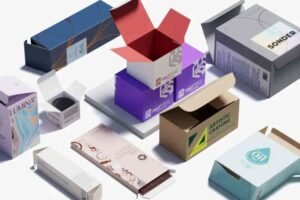
Cartons are the most common form of secondary packaging. They contain important product information and branding elements. Pharmaceutical companies often use custom-designed cartons to improve product presentation and protect medicines from external damage.
The principles of effective packaging can also be seen in other industries. For example, businesses that require specialized retail packaging often invest in solutions such as box sunglasses packaging to protect delicate products while enhancing customer experience.
Similarly, product manufacturers seeking durable and attractive packaging solutions frequently utilize custom beverage boxes to improve product safety and brand visibility.
Secondary packaging also helps organize products for distribution and simplifies inventory management throughout the supply chain.
Tertiary Packaging and Distribution
Tertiary packaging refers to the outermost packaging used during shipping and bulk transportation.
This packaging includes corrugated boxes, shrink wraps, pallets, and transport containers. The primary objective is to protect pharmaceutical products from physical damage during logistics operations.
Effective tertiary packaging minimizes transportation risks while maintaining product quality until delivery.
Functions of Pharmaceutical Packaging
Understanding what is packaging in pharmaceutical industry requires examining its various functions.
Product Protection
Medicines can degrade when exposed to environmental conditions. Packaging shields products from moisture, oxygen, sunlight, and contaminants.
Patient Safety
Clear labeling helps patients understand dosage instructions, storage requirements, and safety precautions.
Regulatory Compliance
Pharmaceutical packaging must comply with strict international regulations established by health authorities and regulatory agencies.
Convenience
Packaging improves ease of use for healthcare providers and patients. Features such as child-resistant closures and easy-open designs enhance usability.
Brand Recognition
Although safety remains the primary concern, pharmaceutical companies also use packaging to differentiate products and strengthen brand identity.
Materials Used in Pharmaceutical Packaging
Various materials are used depending on product requirements.
Glass
Glass provides excellent barrier protection and chemical resistance. It is commonly used for injectable drugs and sensitive liquid formulations.
Plastic
Plastic packaging is lightweight, durable, and cost-effective. Common pharmaceutical plastics include polyethylene, polypropylene, and PET.
Aluminum
Aluminum foil is frequently used in blister packs due to its superior moisture and light barrier properties.
Paper and Paperboard
Cartons and inserts are typically manufactured from paperboard materials that offer structural support and printable surfaces.
Regulatory Requirements for Pharmaceutical Packaging
One of the defining aspects of what is packaging in pharmaceutical industry is its regulatory environment.
Packaging systems must comply with standards established by regulatory agencies worldwide. These regulations ensure product quality, safety, and effectiveness.
Pharmaceutical companies must validate packaging materials, conduct stability testing, and maintain documentation demonstrating compliance with regulatory requirements.
Packaging labels must accurately communicate critical information, including active ingredients, dosage instructions, batch numbers, expiration dates, and storage conditions.
Failure to meet packaging regulations can result in product recalls, fines, and reputational damage.
Tamper-Evident Packaging
Tamper-evident packaging has become an essential component of pharmaceutical safety.
These packaging systems provide visible evidence if a product has been opened or altered before purchase. Common examples include shrink bands, breakable caps, foil seals, and security labels.
Tamper-evident features help protect consumers and increase trust in pharmaceutical products.
Child-Resistant Packaging
Certain medications can pose serious risks if accidentally accessed by children.
Child-resistant packaging is specifically designed to reduce accidental ingestion while remaining accessible to adults. Push-and-turn caps, squeeze-and-turn closures, and specialized blister packs are commonly used examples.
These packaging solutions significantly contribute to public health and safety.
Smart Packaging Technologies
The pharmaceutical industry continues to embrace technological advancements.
Serialization
Serialization assigns unique identification codes to individual packages, helping track products throughout the supply chain.
QR Codes
QR codes allow patients and healthcare providers to access product information, usage instructions, and authentication tools.
RFID Technology
Radio-frequency identification systems improve inventory management and supply chain visibility.
Temperature Monitoring
Smart packaging can monitor storage conditions and alert stakeholders if temperature excursions occur during transportation.
Challenges in Pharmaceutical Packaging
Despite technological advances, pharmaceutical packaging faces several ongoing challenges.
Manufacturers must balance product protection with sustainability goals. Increasing demand for environmentally friendly packaging materials requires innovative solutions.
Counterfeit medicines remain a significant concern globally. Packaging must continuously evolve to incorporate advanced security features.
Cost management is another challenge, as packaging materials and compliance requirements continue to grow more complex.
Global supply chains also require packaging systems capable of withstanding varying environmental conditions during transportation.
Sustainability in Pharmaceutical Packaging
Environmental sustainability is becoming increasingly important across all industries.
Pharmaceutical companies are exploring recyclable materials, biodegradable alternatives, and lightweight packaging solutions. Efforts to reduce packaging waste while maintaining product safety are driving innovation throughout the sector.
Many manufacturers are implementing sustainable packaging initiatives without compromising regulatory compliance or product integrity.
Future Trends in Pharmaceutical Packaging
The future of pharmaceutical packaging will likely focus on greater automation, digital integration, and sustainability.
Smart packaging technologies will continue to improve patient engagement and medication adherence. Enhanced anti-counterfeiting measures will strengthen supply chain security.
Artificial intelligence and advanced analytics may help optimize packaging design and performance. Sustainable materials will become increasingly important as environmental regulations evolve.
When it comes to high-quality custom packaging solutions, Buddy Packaging Co stands out as a trusted choice for businesses of all sizes. From custom printed boxes to eco-friendly packaging options, they offer innovative solutions designed to enhance brand visibility and product presentation.
FAQs
What is pharmaceutical packaging used for?
Pharmaceutical packaging is used to protect medicines from contamination, damage, moisture, light, and environmental factors while providing important usage information to patients and healthcare professionals.
What are the three levels of pharmaceutical packaging?
The three levels are primary packaging, secondary packaging, and tertiary packaging. Each level serves a specific role in protecting and distributing pharmaceutical products.
Why is packaging important in the pharmaceutical industry?
Packaging ensures product safety, maintains drug stability, prevents contamination, supports regulatory compliance, and improves patient safety through proper labeling.
What materials are commonly used in pharmaceutical packaging?
Common materials include glass, plastic, aluminum foil, paperboard, and specialized barrier materials designed to protect pharmaceutical products.
What is smart pharmaceutical packaging?
Smart pharmaceutical packaging incorporates technologies such as QR codes, RFID tags, serialization systems, and temperature sensors to improve product tracking, safety, and patient engagement.
How does pharmaceutical packaging prevent counterfeit drugs?
Advanced packaging features such as holograms, serialization, tamper-evident seals, QR codes, and authentication technologies help verify product authenticity and reduce counterfeiting risks.
What is the difference between primary and secondary pharmaceutical packaging?
Primary packaging directly contacts the medicine, while secondary packaging surrounds the primary package and provides additional protection, branding, and information.