Eco friendly packaging has become one of the most important topics in modern business and consumer markets. As environmental concerns continue to grow, companies and customers alike are searching for sustainable alternatives to traditional packaging materials. Understanding what is eco friendly packaging helps businesses reduce waste, lower their environmental impact, and meet the expectations of environmentally conscious consumers.
The concept of eco friendly packaging goes beyond simply using recyclable materials. It involves designing packaging solutions that minimize environmental harm throughout their entire lifecycle. From production and transportation to disposal and recycling, every stage plays a role in determining how sustainable a package truly is. Businesses that invest in sustainable packaging often find that it not only benefits the planet but also strengthens their brand reputation and customer loyalty.
What Is Eco Friendly Packaging and Why Does It Matter?
When asking what is eco friendly packaging, the simplest definition is packaging that is designed to have minimal impact on the environment. These packaging solutions are typically made from renewable, recyclable, biodegradable, or compostable materials. They are also created using processes that reduce energy consumption and waste generation.
The importance of eco friendly packaging has increased because traditional packaging materials, particularly single-use plastics, contribute significantly to pollution and landfill waste. Every year, millions of tons of packaging materials end up in oceans, rivers, and landfills. Sustainable packaging aims to address these issues by reducing waste and encouraging responsible resource use.
Consumers today are paying closer attention to environmental practices. Many buyers prefer products packaged in sustainable materials because they align with their personal values. As a result, businesses that understand what is eco friendly packaging can gain a competitive advantage while contributing positively to environmental protection.
The Evolution of Sustainable Packaging
The journey toward eco friendly packaging has evolved considerably over the years. In the past, packaging primarily focused on product protection and transportation efficiency. Environmental considerations were often overlooked because convenience and cost reduction were the main priorities.
As environmental awareness increased, manufacturers began exploring alternatives to traditional materials. Advances in technology enabled the development of biodegradable plastics, recycled paper products, and innovative packaging designs that use fewer resources. Today, sustainable packaging has become a critical component of corporate environmental strategies.
Organizations worldwide are encouraging businesses to adopt greener practices. Resources from institutions such as the World Wildlife Fund and the United Nations Environment Programme emphasize the importance of sustainable production and consumption models. These initiatives continue to drive innovation in eco friendly packaging solutions.
Key Characteristics of Eco Friendly Packaging
Understanding what is eco friendly packaging requires examining its defining characteristics. Eco friendly packaging is designed to reduce environmental impact while maintaining functionality and product safety. Sustainable packaging often uses renewable materials sourced responsibly and manufactured with reduced energy consumption.
Another important characteristic is recyclability. Packaging that can be easily recycled helps reduce landfill waste and supports circular economy principles. Similarly, biodegradable and compostable materials break down naturally, reducing long-term environmental damage.
Lightweight packaging also contributes to sustainability because it reduces transportation emissions. By optimizing package design and minimizing material usage, companies can significantly lower their carbon footprint without compromising product protection.
Common Materials Used in Eco Friendly Packaging
Different materials are commonly used in sustainable packaging applications. Recycled paper and cardboard remain among the most popular choices due to their availability and recyclability. These materials can be reused multiple times before reaching the end of their lifecycle.
Plant-based materials have also gained popularity. Packaging made from cornstarch, sugarcane fibers, or bamboo offers renewable alternatives to petroleum-based plastics. These materials often decompose more quickly under appropriate conditions.
Glass and aluminum are frequently considered eco friendly because they can be recycled repeatedly without losing quality. While their production requires energy, their long-term recyclability makes them sustainable options in many industries.
Businesses seeking durable packaging solutions often explore options such as bux board boxes, which provide strength and recyclability while supporting environmentally responsible packaging practices.
Benefits of Eco Friendly Packaging for Businesses
Companies that adopt sustainable packaging strategies often experience multiple business advantages. One significant benefit is improved brand perception. Consumers increasingly support brands that demonstrate environmental responsibility, making eco friendly packaging an effective marketing tool.
Cost savings can also result from sustainable packaging initiatives. Reducing material usage and optimizing package dimensions often lowers manufacturing and shipping expenses. While some eco friendly materials may initially cost more, long-term operational efficiencies can offset these investments.
Regulatory compliance represents another important advantage. Governments around the world are implementing stricter environmental regulations regarding packaging waste. Businesses that proactively adopt sustainable solutions are often better prepared for future compliance requirements.
Environmental Benefits
The environmental advantages of eco friendly packaging are substantial. Sustainable packaging reduces dependence on finite natural resources and decreases pollution associated with production and disposal processes. It also supports recycling systems and promotes responsible waste management.
By minimizing packaging waste, businesses can help reduce landfill accumulation. Biodegradable and compostable materials further contribute by breaking down naturally rather than persisting in the environment for decades.
Lower carbon emissions are another key benefit. Lightweight materials and efficient packaging designs require less energy for transportation, helping companies reduce their overall carbon footprint.
Industries Embracing Eco Friendly Packaging
Many industries are integrating sustainable packaging into their operations. The food and beverage sector has been particularly active, replacing traditional plastics with recyclable and compostable alternatives. Restaurants, grocery stores, and beverage manufacturers increasingly prioritize environmentally friendly packaging solutions.
The cosmetics industry has also embraced sustainability. Brands are introducing refillable containers and recyclable packaging to meet consumer demand for environmentally responsible products. Similarly, healthcare and pharmaceutical companies are exploring sustainable alternatives that maintain safety and regulatory compliance.
The eyewear and vision-care industry utilizes specialized packaging solutions such as contact lens boxes, where sustainable materials can help reduce environmental impact while maintaining product protection and hygiene standards.
Comparison of Traditional and Eco Friendly Packaging
| Feature | Traditional Packaging | Eco Friendly Packaging |
|---|---|---|
| Material Source | Petroleum-based materials | Renewable or recycled materials |
| Recyclability | Often limited | Usually highly recyclable |
| Biodegradability | Generally non-biodegradable | Often biodegradable or compostable |
| Environmental Impact | Higher pollution levels | Reduced environmental footprint |
| Consumer Appeal | Standard market appeal | Strong appeal among eco-conscious consumers |
| Regulatory Readiness | May face future restrictions | Better aligned with sustainability regulations |
Challenges in Adopting Eco Friendly Packaging
Although the benefits are significant, adopting sustainable packaging is not without challenges. Some businesses face higher upfront costs when transitioning to environmentally friendly materials. Research, development, and supplier sourcing can require substantial investment.
Performance concerns may also arise. Certain eco friendly materials may not initially provide the same durability or moisture resistance as conventional packaging. However, ongoing innovations continue to improve the functionality of sustainable alternatives.
Consumer education remains another challenge. Some customers may not fully understand how to properly recycle or compost certain packaging materials. Clear labeling and communication can help address this issue and maximize environmental benefits.
How Businesses Can Transition to Sustainable Packaging
Companies interested in adopting eco friendly packaging should begin by evaluating their current packaging practices. Conducting a packaging audit helps identify opportunities to reduce material usage and improve sustainability.
Collaborating with experienced packaging suppliers can simplify the transition process. Suppliers often provide guidance on material selection, regulatory requirements, and sustainable design strategies. Businesses should also gather customer feedback to understand preferences and expectations regarding packaging choices.
Continuous improvement is essential. Sustainability goals should be regularly reviewed and adjusted as new technologies and materials become available. This approach ensures ongoing progress toward environmental objectives.
The Future of Eco Friendly Packaging
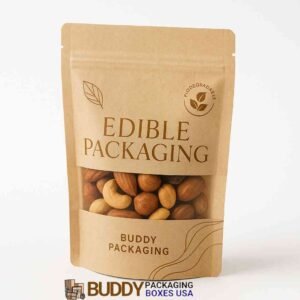
The future of eco friendly packaging looks promising as innovation continues to accelerate. Researchers are developing advanced biodegradable materials, edible packaging solutions, and smart packaging technologies that further reduce environmental impact.
Artificial intelligence and data analytics are helping companies optimize packaging designs, minimize waste, and improve supply chain efficiency. These technological advancements are expected to make sustainable packaging more accessible and cost-effective for businesses of all sizes.
Growing consumer awareness and regulatory pressure will likely continue driving demand for environmentally responsible packaging. Companies that invest in sustainability today may be better positioned for long-term success in an increasingly eco-conscious marketplace.
Frequently Asked Questions About What Is Eco Friendly Packaging
What is eco friendly packaging made of?
Eco friendly packaging is commonly made from recycled paper, cardboard, biodegradable plastics, bamboo, glass, aluminum, and other renewable or recyclable materials designed to reduce environmental impact.
Why is eco friendly packaging important?
Eco friendly packaging helps reduce waste, lower carbon emissions, conserve natural resources, and support sustainable consumption practices while improving brand reputation.
Is eco friendly packaging more expensive?
Initial costs may be higher in some cases, but many businesses achieve long-term savings through reduced material usage, lower shipping costs, and improved operational efficiency.
Can eco friendly packaging be recycled?
Many eco friendly packaging materials are recyclable. However, recyclability depends on the material type and local recycling infrastructure.
What industries use eco friendly packaging?
Industries including food and beverage, cosmetics, healthcare, retail, e-commerce, and consumer goods increasingly utilize sustainable packaging solutions.
Understanding what is eco friendly packaging is essential for businesses and consumers seeking sustainable solutions in today’s environmentally conscious world. Eco friendly packaging minimizes environmental impact through responsible material selection, efficient design, recyclability, and waste reduction. It supports environmental protection while offering businesses opportunities to strengthen customer relationships and enhance brand value.
As sustainability becomes a central business priority, adopting eco friendly packaging is no longer just an option—it is increasingly becoming a necessity. Companies that embrace sustainable packaging practices can contribute to a healthier planet while positioning themselves for long-term growth and success. If you are looking to improve your packaging strategy, now is the ideal time to explore environmentally responsible solutions and take meaningful steps toward sustainability.