Introduction
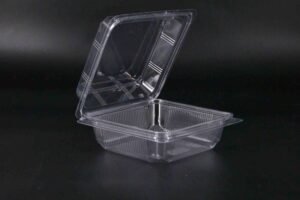
Understanding what is clam packaging is essential for brands that want secure, visible, and cost-effective packaging. Clam packaging, often called clamshell packaging, is a type of container that hinges like a shell. It usually consists of two halves that close together to protect the product inside. This packaging is widely used in retail because it offers visibility, durability, and tamper resistance.
In today’s competitive market, packaging is more than protection. It is part of the customer experience. That is why many businesses explore what is clam packaging to enhance both safety and presentation. From electronics to food products, this packaging style has become a reliable solution.
What Is Clam Packaging and How It Works
To fully understand what is clam packaging, it helps to look at its structure. A clamshell package is typically made from plastic materials such as PVC, PET, or RPET. These materials are moulded into a shape that can securely hold a product.
The design includes a hinge that connects two sides. These sides snap shut or are sealed using heat. Some versions include inserts or custom shapes that keep items in place. This ensures the product remains secure during transport and display.
Because of its transparent nature, customers can see the product before purchase. This builds trust and improves buying decisions. As a result, businesses often choose clam packaging for retail environments.
Types of Clam Packaging
When exploring what is clam packaging, you will find several types available. Each type serves a different purpose depending on the product and industry.
Face Seal Clamshell
This type is sealed around the edges. It is commonly used for small retail items. It offers strong protection and prevents tampering.
Trapped Blister Clamshell
This design traps a card between layers of plastic. It combines branding with protection. It is often used for consumer goods.
Tri-Fold Clamshell
This version stands upright on shelves. It enhances product display and visibility. Retailers prefer it for hanging or standing displays.
Mock Clamshell
This type looks like a clamshell but does not fully close. It is often used for promotional packaging.
Each variation supports different packaging goals. Therefore, understanding what is clam packaging helps businesses choose the right option.
Materials Used in Clam Packaging
Materials play a key role in defining what is clam packaging. Most clamshells are made from plastic due to its flexibility and strength. PET is widely used because it is recyclable and clear. PVC is also common but less eco-friendly.
In recent years, eco-conscious brands have shifted towards biodegradable and recycled plastics. This shift supports sustainability while maintaining the benefits of clam packaging.
Material choice also affects cost, durability, and appearance. That is why companies carefully select materials when designing packaging.
Benefits of Clam Packaging
Understanding what is clam packaging also means recognising its advantages. One of the biggest benefits is product visibility. Customers can see the item clearly without opening the package.
Another advantage is security. Clamshell packaging is difficult to open without tools. This reduces theft and tampering. Retailers value this feature, especially for high-value items.
Durability is another key benefit. The rigid plastic protects products from damage during shipping. It also keeps items clean and intact on store shelves.
Additionally, clamshell packaging is lightweight. This reduces shipping costs while maintaining strength. Businesses can save money without compromising quality.
Common Uses of Clam Packaging
When asking what is clam packaging, it is helpful to look at where it is used. This packaging style appears across many industries.
Electronics often use clamshell packaging to protect small devices. Food items such as fruits and baked goods also use it for freshness and visibility. Hardware items like tools and accessories rely on clamshells for secure display.
Retail products, including cosmetics and toys, also benefit from this packaging. Its versatility makes it suitable for a wide range of products.
For brands offering custom solutions like comb box packaging, combining clamshell designs with unique inserts can enhance product presentation. You can explore customised solutions like comb box options to see how packaging can be tailored to specific needs.
Clam Packaging vs Other Packaging Types
To better understand what is clam packaging, it helps to compare it with other packaging styles. Unlike flexible packaging, clamshells offer rigid protection. This makes them ideal for fragile items.
Compared to cardboard boxes, clamshell packaging provides better visibility. Customers can inspect products without opening the package. This improves trust and reduces returns.
However, clamshell packaging may be more expensive than simple packaging options. Despite this, many businesses choose it for its added value and security.
Sustainability and Environmental Impact
Today, sustainability is a major concern. So, what is clam packaging in terms of environmental impact? Traditionally, plastic clamshells have raised concerns due to waste and recycling challenges.
However, advancements in materials have improved sustainability. Many manufacturers now use recycled plastics. Some also offer biodegradable options. These changes help reduce environmental impact.
Brands are also designing packaging with less material. This reduces waste while maintaining functionality. As a result, clam packaging continues to evolve in a more eco-friendly direction.
Design and Customisation Options
A key part of understanding what is clam packaging is its design flexibility. Businesses can customise clamshell packaging to fit their products perfectly.
Custom shapes ensure a snug fit. This prevents movement and damage. Branding elements such as printed inserts can enhance visual appeal.
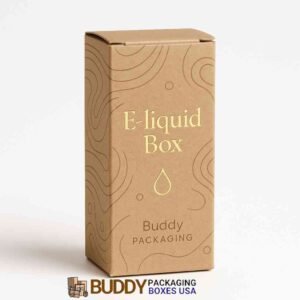
For example, industries using products like e-liquid boxes often combine clamshell packaging with branded inserts. This creates a professional and attractive presentation. You can explore customised e-liquid boxes to see how packaging design supports branding.
Customisation also allows businesses to stand out on shelves. Unique designs attract attention and improve sales.
Challenges of Clam Packaging
While there are many benefits, understanding what is clam packaging also includes its challenges. One common issue is difficulty in opening. Consumers sometimes find clamshells frustrating.
Another concern is environmental impact. Despite improvements, plastic packaging still raises sustainability questions.
Cost can also be higher compared to simpler packaging options. Businesses must balance cost with benefits when choosing packaging solutions.
Despite these challenges, many companies continue to use clamshell packaging due to its advantages.
Future Trends in Clam Packaging
Looking ahead, what is clam packaging likely to become? The future focuses on sustainability and innovation. Companies are investing in recyclable and compostable materials.
Smart packaging is also emerging. This includes features like QR codes and interactive elements. These additions enhance customer engagement.
Automation in manufacturing is improving efficiency. This reduces costs and increases production speed. As technology evolves, clamshell packaging will continue to adapt.
Conclusion
In summary, understanding what is clam packaging helps businesses make informed packaging decisions. This packaging style offers visibility, security, and durability. It is widely used across industries due to its versatility.
While challenges exist, innovations in materials and design are addressing them. Clamshell packaging remains a strong choice for brands seeking reliable and attractive packaging.
If you are looking to enhance your product presentation, now is the time to explore custom packaging solutions. Investing in the right packaging can improve customer experience and boost sales.
FAQ
What is clam packaging used for
Clam packaging is used for retail products like electronics, food items, and tools. It provides protection and visibility.
Why is clamshell packaging popular
It is popular because it is durable, tamper-resistant, and allows customers to see the product clearly.
Is clam packaging recyclable
Many clamshell packages are recyclable, especially those made from PET. However, recycling depends on local facilities.
What are the disadvantages of clamshell packaging
It can be hard to open and may raise environmental concerns due to plastic use.
How does clam packaging improve product safety
Its rigid design protects items from damage and prevents tampering during transport and display.
Blister packaging is a popular packaging solution widely used to protect and display products such as medicines, electronics, and small consumer goods. It consists of a clear plastic cavity that securely holds the item, backed by a paperboard or foil layer. This type of packaging enhances product visibility, prevents tampering, and ensures safety during storage and transportation, making it a reliable choice for many industries.