Introduction
Sustainable packaging has become more common in recent years. Many businesses and consumers now prefer eco-friendly materials over traditional plastic. However, people often feel confused about how to dispose of compostable packaging correctly. Throwing it in the wrong bin can reduce its environmental benefits and increase waste contamination.
Understanding how to dispose of compostable packaging is important for both homes and businesses. Compostable materials are designed to break down naturally under the right conditions. Unlike regular plastics, they return nutrients to the soil instead of polluting landfills and oceans. Still, proper disposal methods matter because not all compostable items break down the same way.
Many brands now use compostable mailers, food containers, and wrapping materials to reduce their environmental footprint. A reliable custom packaging company can help businesses choose sustainable packaging options that support eco-conscious customers while improving brand image.
What Is Compostable Packaging?
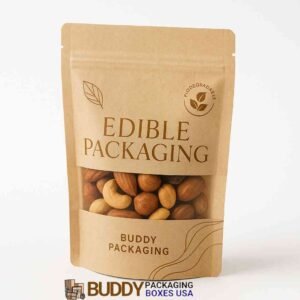
Compostable packaging is made from natural materials that decompose into organic matter. These materials usually include cornstarch, sugarcane fibers, bamboo, kraft paper, or plant-based bioplastics. When exposed to proper heat, oxygen, and moisture, the packaging breaks down into nutrient-rich compost.
Unlike biodegradable products, compostable packaging must leave no harmful residue behind. Certified compostable products meet strict environmental standards. Therefore, they are considered safer for the environment.
Compostable packaging is now widely used in food delivery, cosmetics, retail shipping, and wellness products. Many companies using sustainable branding also rely on eco-friendly solutions like CBD gummies packaging to reduce plastic waste while maintaining product quality.
Why Proper Disposal Matters
Many people assume compostable packaging can go anywhere. Unfortunately, that is not true. Compostable products require specific conditions to decompose efficiently. If disposed of incorrectly, they may end up in landfills where oxygen is limited. In such conditions, decomposition slows down significantly.
Improper disposal also contaminates recycling systems. Compostable plastics can look similar to traditional plastics, making sorting difficult for recycling facilities. As a result, recyclable materials may become unusable.
Learning how to dispose of compostable packaging properly ensures these materials deliver their intended environmental benefits. It also helps reduce greenhouse gas emissions and supports cleaner waste management systems.
Home Composting for Compostable Packaging
Home composting is one of the best ways to manage compostable packaging. However, not every compostable product is suitable for backyard compost bins. Thin paper-based materials usually break down easily, while thicker bioplastics may require industrial composting temperatures.
Check Compostability Certifications
Before composting, look for certifications on the packaging. Labels like “Certified Compostable” or “Home Compostable” indicate whether the material can break down in residential compost systems.
Industrial compostable products may not decompose fully in home compost bins. Therefore, checking labels prevents contamination and incomplete decomposition.
Remove Non-Compostable Components
Some packaging includes stickers, tape, or plastic coatings. These parts should be removed before composting. Even small plastic contaminants can affect compost quality.
Always separate mixed materials carefully. Clean sorting improves compost efficiency and reduces waste contamination.
Cut Packaging Into Smaller Pieces
Smaller pieces break down faster. Cutting compostable packaging into strips or smaller sections increases surface area and speeds up decomposition.
This step is especially useful for thicker paperboard or molded fiber packaging.
Maintain Proper Compost Conditions
Successful composting depends on balanced moisture, airflow, and temperature. Compost piles should contain both green materials and brown materials.
Green materials include food scraps and grass clippings. Brown materials include dry leaves and paper products. Turning the compost regularly also improves oxygen circulation.
Industrial Composting Facilities
Some compostable packaging requires commercial composting facilities. These facilities operate at higher temperatures than home compost systems. As a result, they can process thicker compostable plastics and plant-based materials more effectively.
Industrial composting facilities use controlled moisture and microbial activity to break down materials quickly. Many cities now offer compost collection programs for households and businesses.
Before disposing of compostable packaging, check local waste management guidelines. Some municipalities accept compostable packaging in green waste bins, while others do not.
Can Compostable Packaging Go in Recycling Bins?
Compostable packaging should generally not go into standard recycling bins. Although compostable materials may resemble recyclable plastics, they require completely different processing systems.
Mixing compostable plastics with recyclable plastics can damage recycling batches. Recycling centers often cannot distinguish compostable materials during automated sorting.
Always follow local recycling rules carefully. If composting services are unavailable, landfill disposal may be the only option for some compostable products.
Common Types of Compostable Packaging
Understanding packaging materials helps determine proper disposal methods. Different compostable products break down at different speeds.
Compostable Mailers
Compostable mailers are often made from cornstarch or biodegradable polymers. Some are home compostable, while others require industrial facilities.
Always read disposal instructions provided by the manufacturer.
Kraft Paper Packaging
Kraft paper is widely accepted in home compost systems. It decomposes naturally and adds carbon-rich material to compost piles.
However, glossy coatings or laminated layers may reduce compostability.
Food Containers and Cups
Plant-based food containers often need commercial composting conditions. Items exposed to food waste should not enter regular recycling systems.
Instead, dispose of them through organic waste programs if available.
Compostable Packing Peanuts
Many eco-friendly packing peanuts dissolve in water and compost easily. These materials are safer alternatives to polystyrene foam peanuts.
Testing a peanut in water can help identify whether it is compostable.
Mistakes to Avoid When Disposing of Compostable Packaging
People often make simple disposal mistakes that reduce environmental impact. Avoiding these errors improves waste management results.
One common mistake is assuming all biodegradable products are compostable. Biodegradable materials may still leave harmful residues behind. Compostable packaging follows stricter environmental standards.
Another mistake involves placing compostable plastics in recycling bins. This contaminates recyclable materials and creates processing challenges.
People also overlook local composting regulations. Some regions lack industrial composting facilities, making certain products difficult to process properly.
Finally, many consumers ignore labeling instructions. Reading disposal guidance ensures the packaging enters the correct waste stream.
Benefits of Compostable Packaging
Compostable packaging offers several environmental and business advantages. Companies adopting sustainable packaging often improve customer trust and brand reputation.
Compostable materials reduce dependence on fossil-fuel plastics. They also support circular waste systems by returning nutrients to the soil.
Consumers increasingly prefer environmentally responsible businesses. Sustainable packaging demonstrates commitment to reducing environmental harm.
Businesses using eco-friendly packaging solutions may also attract environmentally conscious customers and improve long-term brand loyalty.
How Businesses Can Encourage Proper Disposal
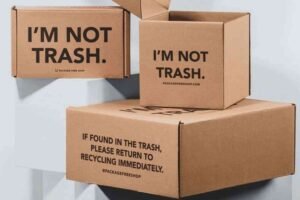
Businesses play a major role in educating consumers about sustainable disposal practices. Clear labeling helps customers understand how to dispose of compostable packaging correctly.
Packaging should include disposal instructions, compostability certifications, and local waste guidance when possible.
Brands can also share educational content on websites and social media. Informative packaging campaigns encourage responsible waste habits and increase sustainability awareness.
Retailers and food businesses can partner with composting facilities to improve packaging recovery systems. Such efforts strengthen environmental responsibility while reducing landfill waste.
The Future of Compostable Packaging
Compostable packaging continues to evolve as sustainability becomes a global priority. Governments, businesses, and consumers are pushing for reduced plastic use and better waste solutions.
Packaging manufacturers are developing stronger, more versatile compostable materials for shipping, food storage, and retail products. Improved composting infrastructure is also expanding access to organic waste processing.
As technology improves, compostable packaging may become more affordable and accessible worldwide. Education will remain essential because proper disposal determines whether these materials truly benefit the environment.
Frequently Asked Questions
Can compostable packaging go in regular trash?
Yes, but it is not ideal. Compostable packaging breaks down best in composting systems, not landfills.
How do I know if packaging is compostable?
Look for certified compostable labels on the packaging. These labels confirm the material meets compostability standards.
Is biodegradable packaging the same as compostable packaging?
No. Compostable packaging breaks down into non-toxic organic matter, while biodegradable materials may leave residues behind.
Can I compost compostable plastic at home?
Some compostable plastics are home compostable, but many require industrial composting facilities.
Why can’t compostable packaging be recycled?
Compostable materials contaminate recycling systems because they require different processing methods than traditional plastics.
Conclusion
Learning how to dispose of compostable packaging properly is essential for reducing environmental waste. Compostable materials offer major sustainability benefits when handled correctly. However, incorrect disposal limits their positive impact and may create contamination problems.
Home composting, industrial composting facilities, and clear waste sorting all support effective compostable packaging disposal. Consumers and businesses must work together to improve waste management habits and promote eco-friendly practices.
If your business wants sustainable and professional packaging solutions, partnering with an experienced packaging provider can make a significant difference. Eco-conscious packaging not only protects the environment but also strengthens customer trust and long-term brand value.
Many people ask, Is Packaging Plastic Recyclable because recycling rules can vary by material and location. Some plastic packaging, such as bottles, containers, and clean rigid plastics, can often be recycled through local recycling programs. However, soft plastics, mixed materials, or heavily contaminated packaging may not be accepted. Understanding recycling symbols and proper disposal methods helps reduce waste and supports a more sustainable environment for future generations.