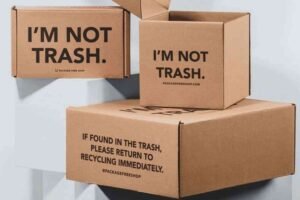
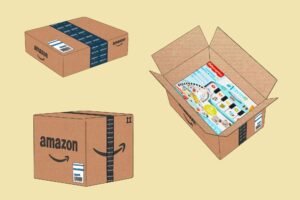
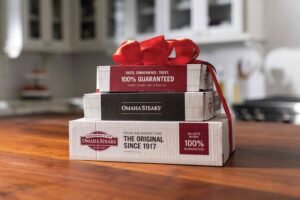
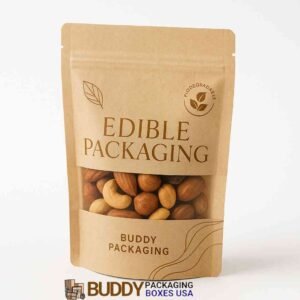
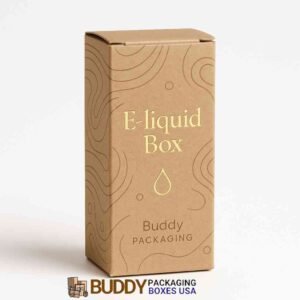
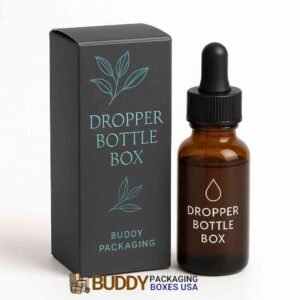
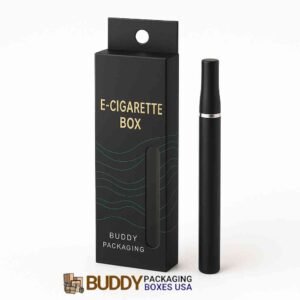
Custom packaging is a packaging solution designed specifically for a product, business, or brand. Unlike generic boxes or plain containers, custom packaging reflects a company’s identity through unique sizes, colors, logos, materials, and printed designs. Businesses use it to protect products, improve customer experience, and strengthen brand recognition.
Today, custom packaging has become a major part of modern marketing. Customers no longer judge a product only by its quality. They also notice the presentation, unboxing experience, and overall appearance. As a result, businesses across industries invest heavily in packaging that communicates professionalism and value.
From retail stores to eCommerce brands, companies use custom packaging to stand out in crowded markets. Whether it is luxury cosmetics, food products, electronics, or apparel, personalized packaging creates a memorable impression that encourages repeat purchases.
Why Custom Packaging Matters in Modern Business
Custom packaging plays a larger role than simply holding a product. It acts as a branding tool, a protective layer, and a communication medium between the company and the customer.
Consumers often make buying decisions based on visual appeal. A well-designed package instantly attracts attention and builds trust. In many cases, customers share aesthetically pleasing packaging on social media, which increases organic brand visibility.
Furthermore, custom packaging improves product safety. Businesses can design boxes or containers that fit products perfectly. This reduces movement during shipping and minimizes damage. Consequently, companies save money on returns and replacements.
Another reason custom packaging matters is customer experience. Modern buyers appreciate thoughtful presentation. A beautifully designed package creates excitement during unboxing and makes customers feel valued.
The Meaning of Custom Packaging
The term custom packaging refers to tailored packaging solutions created for specific business needs. These packages differ from standard packaging because they are developed according to the product’s dimensions, branding goals, and shipping requirements.
For example, a skincare company may use soft-touch printed boxes with embossed logos to create a luxury appearance. Similarly, a food company may use moisture-resistant packaging with vibrant colors to maintain freshness and attract customers.
Custom packaging often includes unique design elements such as:
| Packaging Element | Purpose |
|---|---|
| Brand Logo | Improves recognition |
| Custom Size | Protects products better |
| Printed Graphics | Enhances visual appeal |
| Special Finishes | Adds luxury feel |
| Eco-Friendly Material | Supports sustainability |
| Product Information | Educates customers |
These elements work together to create a professional and memorable packaging experience.
Types of Custom Packaging
Different businesses require different packaging styles. Therefore, custom packaging comes in many forms depending on product type, industry, and customer expectations.
Custom Boxes
Custom boxes are among the most popular packaging solutions. They are widely used in retail, electronics, cosmetics, and subscription services. These boxes can include printed branding, inserts, and protective layers.
Businesses often choose rigid boxes, corrugated boxes, or folding cartons depending on the product’s fragility and presentation goals.
Flexible Packaging
Flexible packaging includes pouches, wraps, and bags. It is commonly used for snacks, coffee, pet food, and frozen items. This packaging style is lightweight, affordable, and convenient for shipping.
Many brands now use eco-friendly flexible materials to reduce environmental impact.
Luxury Packaging
Luxury packaging focuses on premium presentation. It often features magnetic closures, foil stamping, embossing, and textured finishes. High-end brands use this packaging to create exclusivity and elegance.
Luxury packaging is common in jewelry, perfumes, watches, and designer products.
Eco-Friendly Packaging
Sustainable packaging has become increasingly important. Many customers prefer brands that use recyclable or biodegradable materials.
Eco-friendly custom packaging helps companies reduce waste while improving their reputation among environmentally conscious consumers.
How Custom Packaging Helps Branding
Brand identity is one of the biggest advantages of custom packaging. Generic packaging rarely leaves a lasting impression. However, customized designs help businesses create recognition and emotional connections.
A customer may forget a plain brown box, but they often remember attractive branded packaging. Colors, typography, and logos reinforce the company image every time customers interact with the product.
Packaging also communicates company values. Minimalist packaging may suggest sophistication, while eco-friendly materials indicate environmental responsibility.
Moreover, custom packaging creates consistency across marketing channels. When packaging aligns with websites, advertisements, and social media branding, customers experience stronger trust and familiarity.
The Psychology Behind Custom Packaging
Packaging strongly influences customer psychology. Human beings naturally respond to colors, textures, and visual presentation.
Bright colors often create excitement, while darker tones communicate luxury and exclusivity. Matte finishes may feel sophisticated, whereas glossy finishes appear energetic and modern.
Unboxing experiences also trigger emotional responses. Customers enjoy opening packages that feel premium and carefully designed. This excitement increases satisfaction and encourages social sharing online.
Many successful brands understand that packaging is not just functional. It is emotional marketing that shapes customer perception before the product is even used.
Materials Used in Custom Packaging
The choice of material significantly impacts durability, appearance, and sustainability. Businesses select materials according to their product requirements and branding goals.
Cardboard Packaging
Cardboard is affordable, lightweight, and recyclable. It is ideal for retail boxes, shipping cartons, and product displays.
Corrugated Packaging
Corrugated material offers extra protection due to its layered structure. It is widely used for shipping fragile products.
Kraft Packaging
Kraft paper packaging is popular among eco-conscious brands. It has a natural appearance and is biodegradable.
Plastic Packaging
Plastic packaging provides moisture resistance and flexibility. Although useful, many companies now reduce plastic usage due to environmental concerns.
Rigid Packaging
Rigid boxes are thick and durable. Luxury brands commonly use them for premium products because they provide a high-end feel.
The Custom Packaging Design Process
Creating custom packaging involves several important stages. Businesses usually collaborate with packaging manufacturers or graphic designers to achieve the desired outcome.
Understanding Product Requirements
The first step involves analyzing the product’s dimensions, weight, fragility, and storage needs. This ensures the packaging provides adequate protection.
Creating Packaging Concepts
Designers develop visual concepts that align with brand identity. This includes choosing colors, typography, logos, and graphics.
Selecting Materials
Businesses select suitable materials based on durability, sustainability, and budget.
Printing and Finishing
Manufacturers apply printing techniques such as digital printing, offset printing, embossing, and foil stamping.
Testing the Packaging
Before mass production, companies test the packaging for strength, functionality, and appearance.
Benefits of Custom Packaging for eCommerce Brands
eCommerce businesses rely heavily on packaging because customers cannot physically interact with products before purchase.
Custom packaging helps online brands create trust and excitement immediately after delivery. Since competition in online retail is intense, presentation becomes a major differentiator.
Branded packaging also turns customers into marketers. Many consumers share attractive unboxing experiences on social media platforms such as Instagram, TikTok, and YouTube.
Additionally, well-designed packaging reduces shipping damage. Proper sizing and inserts prevent products from moving during transit.
How Custom Packaging Increases Sales
Packaging directly affects purchasing behavior. Attractive packaging captures attention faster than generic alternatives.
Customers often associate premium packaging with higher product quality. Consequently, businesses can justify higher pricing and improve perceived value.
Moreover, consistent branding increases customer loyalty. Buyers who recognize and trust a brand are more likely to make repeat purchases.
Custom packaging also supports marketing campaigns. Seasonal packaging designs, limited editions, and promotional packaging create urgency and excitement.
Sustainable Trends in Custom Packaging
Sustainability is shaping the future of packaging. Consumers increasingly prefer environmentally responsible brands.
Many companies now use recyclable materials, biodegradable coatings, and reusable packaging designs. These efforts help reduce environmental impact while improving brand reputation.
Minimalist packaging is another growing trend. Brands reduce unnecessary layers and focus on simple yet effective designs.
Water-based inks and soy-based printing techniques are also becoming more common in sustainable packaging production.
According to Sustainable Packaging Coalition, sustainable packaging should provide environmental benefits while remaining economically viable and functional.
Industries That Use Custom Packaging
Almost every industry benefits from custom packaging in some way. However, some sectors rely on it more heavily than others.
Food Industry
Food packaging must preserve freshness and maintain hygiene standards. Custom food packaging also improves shelf appeal.
Brands selling specialty products often use personalized packaging to differentiate themselves in competitive supermarkets.
Cosmetic Industry
Cosmetic companies depend heavily on visual presentation. Elegant packaging enhances perceived beauty and luxury.
Apparel Industry
Fashion brands use branded mailers, tissue paper, and premium boxes to improve customer experience.
Electronics Industry
Electronics packaging requires strong protective materials while maintaining a modern appearance.
Pet Food Industry
Pet product brands frequently use durable and colorful packaging to attract customers. Businesses looking for premium packaging solutions often explore dog food boxes for better product presentation and protection.
Custom Packaging for Seasonal Marketing
Seasonal packaging creates excitement during holidays and special events. Businesses often launch limited-edition packaging to increase customer engagement.
For example, holiday-themed packaging during Christmas can significantly boost gift purchases. Many brands improve seasonal branding using attractive christmas boxes that enhance festive presentation.
Seasonal packaging also encourages impulse purchases because customers perceive limited availability as more valuable.
Common Printing Techniques in Custom Packaging
Printing quality greatly affects packaging appearance. Businesses use several printing methods depending on budget and design complexity.
Digital Printing
Digital printing is cost-effective for small production runs and quick turnaround times.
Offset Printing
Offset printing delivers sharp details and vibrant colors. It is ideal for large-volume orders.
Flexographic Printing
Flexographic printing works well for corrugated packaging and flexible materials.
Screen Printing
Screen printing creates bold and durable designs, especially for specialty packaging.
Finishing Options in Custom Packaging
Packaging finishes improve visual appeal and tactile experience.
Matte Finish
Matte coatings create a smooth and elegant appearance.
Gloss Finish
Gloss coatings enhance brightness and color vibrancy.
Embossing
Embossing raises certain design elements to create texture and depth.
Foil Stamping
Foil stamping adds metallic accents for a luxurious effect.
Spot UV
Spot UV highlights specific areas using shiny coatings.
Challenges Businesses Face With Custom Packaging
Despite its advantages, custom packaging also presents challenges.
One major concern is cost. Premium materials and printing techniques can increase expenses, especially for small businesses.
Another challenge involves production timelines. Custom packaging often requires design approvals and manufacturing processes that take longer than generic solutions.
Sustainability compliance can also be complex. Businesses must balance eco-friendly goals with durability and affordability.
However, many companies find that the long-term branding benefits outweigh these initial challenges.
How Small Businesses Benefit From Custom Packaging
Small businesses can gain significant advantages through custom packaging. Professional presentation helps smaller brands compete with larger companies.
Even simple branded stickers or printed boxes improve credibility. Customers are more likely to trust businesses that invest in polished packaging.
Additionally, custom packaging enhances customer retention. Thoughtful presentation creates positive emotional experiences that encourage repeat business.
Social media exposure is another advantage. Attractive packaging often motivates customers to share photos online, generating free marketing.
Custom Packaging and Customer Experience
Customer experience extends beyond the product itself. Packaging shapes the first physical interaction customers have with a brand.
When customers receive a well-designed package, they immediately sense professionalism and quality. This positive impression influences how they perceive the product inside.
Easy-to-open packaging, protective inserts, and personalized messages all contribute to a better customer experience.
As competition increases, businesses that prioritize packaging often build stronger customer relationships.
The Future of Custom Packaging
Technology continues transforming the packaging industry. Smart packaging solutions now include QR codes, NFC chips, and augmented reality experiences.
Personalization is also growing rapidly. Some brands now customize packaging for individual customers using variable data printing.
Sustainable innovation will likely dominate future packaging trends. Businesses are actively researching compostable materials and reusable packaging systems.
Automation and digital printing technologies are also making custom packaging more affordable for smaller businesses.
According to Packaging Digest, brands increasingly use packaging innovation to improve customer engagement and sustainability goals.
How to Choose the Right Custom Packaging Supplier
Choosing the right packaging supplier is essential for quality and consistency.
Businesses should evaluate suppliers based on experience, printing quality, turnaround times, and sustainability practices.
Requesting packaging samples helps assess material quality before placing large orders.
Clear communication is equally important. Reliable suppliers provide design guidance, technical support, and transparent pricing.
Companies should also confirm whether suppliers offer scalable production for future business growth.
Cost Factors in Custom Packaging
Several factors influence custom packaging costs.
Material selection significantly impacts pricing. Luxury materials generally cost more than standard cardboard or kraft paper.
Printing complexity also affects expenses. Multiple colors, foil stamping, and embossing increase production costs.
Order quantity plays a major role as well. Larger orders usually reduce per-unit pricing.
Shipping considerations matter too. Oversized packaging increases transportation costs and storage requirements.
Businesses must carefully balance design quality with budget limitations.
FAQs About Custom Packaging
What is custom packaging used for?
Custom packaging is used to protect products, improve branding, and enhance customer experience. Businesses also use it to increase product visibility and customer loyalty.
Why is custom packaging important?
Custom packaging helps brands stand out in competitive markets. It creates stronger customer impressions, improves product safety, and supports marketing efforts.
Is custom packaging expensive?
The cost depends on materials, printing methods, finishes, and order quantity. While custom packaging may cost more initially, it often increases sales and customer retention.
What materials are best for custom packaging?
Cardboard, corrugated paper, kraft paper, and rigid materials are commonly used. The best choice depends on product type and branding goals.
Can small businesses afford custom packaging?
Yes, many suppliers offer affordable packaging solutions for small businesses. Simple branded packaging can still create a professional appearance.
Is eco-friendly custom packaging available?
Yes, many companies now use recyclable, biodegradable, and compostable materials to create sustainable packaging solutions.
How does custom packaging improve branding?
Custom packaging strengthens brand recognition through logos, colors, typography, and memorable presentation.
Custom packaging is far more than a protective container. It is a powerful branding and marketing tool that influences customer perception, improves product safety, and strengthens business identity.
In today’s competitive market, businesses that invest in thoughtful packaging often achieve stronger customer loyalty and higher sales. Whether a company sells cosmetics, food products, electronics, or apparel, personalized packaging creates a professional and memorable experience.
As sustainability and customer expectations continue evolving, custom packaging will remain a critical part of successful branding strategies. Businesses that embrace innovative and eco-friendly packaging solutions can build stronger relationships with modern consumers while standing out from competitors.