Introduction
In today’s fast-paced supply chain environment, efficiency and cost control are more important than ever. That’s where bulk packaging comes into play. If you’ve ever wondered what is bulk packaging, you’re not alone. Businesses across industries rely on this method to move large quantities of goods safely and economically.
Bulk packaging refers to the process of packing products in large volumes rather than individual units. It is commonly used in manufacturing, logistics, food distribution, and retail sectors. By reducing handling time and packaging materials, bulk packaging improves operational efficiency while supporting sustainability goals.
This guide explores everything you need to know about bulk packaging, from its core definition to its benefits, types, and practical applications. Whether you’re a business owner or simply curious, this article will give you a clear understanding of how bulk packaging works in the real world.
What Is Bulk Packaging?
Bulk packaging is the practice of storing and transporting products in large quantities using a single container or packaging system. Instead of individually wrapping each item, goods are grouped together in bulk containers such as pallets, crates, drums, or large boxes.
This approach is widely used in industries that deal with high-volume goods, including food, chemicals, and retail products. For example, instead of shipping 1,000 small boxes, a company might use one large container to hold all items.
As a result, businesses save time, reduce costs, and minimize waste. Bulk packaging also simplifies logistics, making it easier to load, unload, and transport goods efficiently.
Why Bulk Packaging Matters in Modern Supply Chains
Bulk packaging has become a cornerstone of modern logistics. As global demand grows, businesses must move goods faster and more efficiently. Bulk packaging helps achieve this by streamlining operations.
First, it reduces the number of packaging materials needed. This lowers costs and minimizes environmental impact. Second, it improves handling efficiency, as fewer units need to be managed during transportation.
Moreover, bulk packaging enhances product protection. When items are packed together securely, they are less likely to be damaged during transit. This ensures that products reach customers in perfect condition.
Types of Bulk Packaging
Flexible Bulk Packaging
Flexible bulk packaging includes materials like bags, sacks, and liners. These are often used for dry goods such as grains, powders, and chemicals.
Flexible packaging is lightweight and cost-effective. It is also easy to store when not in use, making it a popular choice for many businesses.
Rigid Bulk Packaging
Rigid bulk packaging involves containers like drums, crates, and bins. These are designed to provide maximum protection for goods.
This type is ideal for fragile or hazardous items. It ensures durability and safety during transportation.
Intermediate Bulk Containers (IBCs)
IBCs are large containers used to store liquids and bulk materials. They are commonly used in industries such as food processing and chemicals.
These containers are reusable and highly efficient. They also reduce the need for smaller packaging units.
Palletized Bulk Packaging
Palletized packaging involves stacking goods on pallets and securing them with shrink wrap or straps. This method is widely used in warehouses and distribution centers.
It allows for easy handling with forklifts, improving efficiency and reducing labor costs.
Key Benefits of Bulk Packaging
Cost Efficiency
One of the biggest advantages of bulk packaging is cost savings. By reducing the number of individual packages, businesses spend less on materials and labor.
Additionally, shipping costs are lower because fewer containers are required. This makes bulk packaging a smart choice for large-scale operations.
Environmental Sustainability
Bulk packaging supports eco-friendly practices. It reduces waste by minimizing the use of packaging materials.
Many companies are now adopting sustainable bulk packaging solutions to meet environmental regulations and customer expectations.
Improved Logistics
Handling fewer packages simplifies logistics. Bulk packaging allows for faster loading and unloading, reducing delays in the supply chain.
This efficiency leads to quicker delivery times and better customer satisfaction.
Enhanced Product Protection
Bulk packaging provides better protection for goods. Items are secured together, reducing movement and the risk of damage.
This is especially important for fragile or high-value products.
Bulk Packaging vs. Retail Packaging
Bulk packaging and retail packaging serve different purposes. Bulk packaging is designed for transportation and storage, while retail packaging focuses on presentation and branding.
For example, a company may use bulk packaging to ship products to a warehouse. Once there, items are repackaged into smaller units for retail sale.
This combination ensures efficiency in logistics while maintaining a strong brand presence in stores.
Industries That Use Bulk Packaging
Bulk packaging is used across a wide range of industries. In the food industry, it is used to transport grains, sugar, and beverages. In manufacturing, it helps move raw materials and finished goods.
The pharmaceutical industry also relies on bulk packaging for safe and secure transportation. Similarly, e-commerce businesses use it to handle large volumes of products efficiently.
Even specialized packaging solutions, such as a champagne flute box, can be part of a broader bulk packaging strategy when shipping delicate items in large quantities.
How to Choose the Right Bulk Packaging
Selecting the right bulk packaging depends on several factors. First, consider the type of product. Fragile items require more protective packaging, while durable goods can use simpler solutions.
Second, think about transportation requirements. Long-distance shipping may need stronger materials to withstand handling.
Third, evaluate cost and sustainability. Choose packaging that balances affordability with environmental responsibility.
For example, businesses dealing with small liquid containers might benefit from solutions like custom 5ml bottle boxes when transitioning between bulk and retail packaging stages.
Challenges of Bulk Packaging
While bulk packaging offers many benefits, it also comes with challenges. One major issue is storage space. Large containers require more room, which can be a problem for smaller facilities.
Another challenge is handling equipment. Businesses may need forklifts or other machinery to manage bulk packaging effectively.
Additionally, improper packaging can lead to product damage. Therefore, it is essential to choose the right materials and methods.
Future Trends in Bulk Packaging
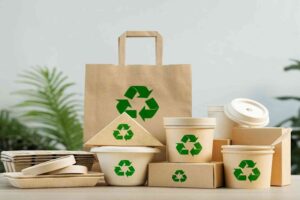
The future of bulk packaging is focused on sustainability and innovation. Companies are exploring eco-friendly materials such as biodegradable plastics and reusable containers.
Automation is also playing a significant role. Advanced technologies are improving packaging efficiency and reducing human error.
Furthermore, smart packaging solutions are emerging. These include tracking systems that monitor the condition of goods during transit.
As these trends continue, bulk packaging will become even more efficient and environmentally friendly.
So, what is bulk packaging? It is a practical and efficient way to store and transport goods in large quantities. By reducing costs, improving logistics, and supporting sustainability, bulk packaging has become essential for modern businesses.
Whether you are in manufacturing, retail, or e-commerce, adopting bulk packaging can transform your operations. It allows you to handle large volumes of products with ease while maintaining quality and efficiency.
Frequently Asked Questions (FAQs)
What is bulk packaging used for?
Bulk packaging is used to store and transport large quantities of goods efficiently. It is commonly used in industries like food, manufacturing, and logistics.
What are examples of bulk packaging?
Examples include pallets, crates, drums, and large containers like IBCs. These are designed to hold multiple items in one package.
Is bulk packaging environmentally friendly?
Yes, bulk packaging reduces waste by minimizing the use of materials. Many companies also use recyclable or reusable packaging solutions.
What is the difference between bulk and retail packaging?
Bulk packaging is for transportation and storage, while retail packaging is designed for selling products to consumers.
How does bulk packaging reduce costs?
It lowers material usage, reduces labor, and decreases shipping expenses by consolidating multiple items into a single package.