What to Do With Styrofoam Packaging: Smart Ways to Reuse, Recycle, and Dispose of It
Styrofoam packaging is everywhere. It protects products during shipping, keeps fragile items safe, and helps businesses reduce damage in transit. However, once a package arrives, many people wonder what to do with Styrofoam packaging. Since it is lightweight, bulky, and not always accepted in curbside recycling programs, disposing of it can be confusing.
Understanding what to do with Styrofoam packaging is important for reducing environmental impact and preventing unnecessary waste. Whether you receive electronics, furniture, books, or specialty products, finding responsible ways to manage packaging materials can make a significant difference. Fortunately, there are several practical options available, including reuse, recycling, donation, and proper disposal.
Understanding Styrofoam Packaging
Before deciding what to do with Styrofoam packaging, it helps to understand what it actually is. Styrofoam is commonly used to describe expanded polystyrene (EPS), a lightweight plastic foam made from petroleum-based materials. It is widely used because it offers excellent cushioning and insulation.
Many companies rely on EPS packaging to protect products during transportation. For example, businesses shipping delicate items in sturdy packaging solutions such as book boxes often use protective inserts to minimize damage and ensure products reach customers safely.
Although Styrofoam is highly effective for packaging purposes, it can create environmental challenges when improperly discarded. Because it does not biodegrade easily, it may remain in landfills for many years.
Why Proper Styrofoam Disposal Matters
One reason people frequently search for what to do with Styrofoam packaging is growing concern about environmental sustainability. Styrofoam breaks into smaller pieces over time but does not fully decompose. These fragments can enter waterways, affect wildlife, and contribute to pollution.
Additionally, Styrofoam occupies significant space in landfills despite being extremely lightweight. As communities work toward reducing waste, proper management of packaging materials becomes increasingly important.
Making responsible disposal choices helps conserve resources and supports recycling initiatives. It also encourages businesses and consumers to adopt more sustainable packaging practices.
Reuse Styrofoam Packaging Whenever Possible
The easiest answer to what to do with Styrofoam packaging is often to reuse it. Reusing packaging extends its life and reduces the need for new materials.
If you frequently ship items, keep clean Styrofoam inserts for future use. They provide excellent protection for fragile goods and can help prevent breakage during transport. People who run online stores, move homes, or send gifts regularly often find reused packaging extremely valuable.
Styrofoam can also be useful for storing seasonal decorations, protecting household items during renovations, and cushioning delicate electronics. Instead of throwing it away immediately, consider whether it can serve another purpose.
Many businesses that ship specialty products, including those packaged in custom OZ bottle boxes, reuse protective foam materials to safeguard fragile containers during shipping. Reusing packaging not only saves money but also reduces environmental waste.
Creative Household Uses for Styrofoam
If you are wondering what to do with Styrofoam packaging around the house, several creative options exist.
Large Styrofoam sheets can be used as protective layers in storage boxes. They help prevent scratches on furniture, picture frames, and glass items. Gardeners sometimes use small pieces in planters to improve drainage and reduce container weight.
Some homeowners use Styrofoam during craft projects, school activities, and DIY decorations. Because it is easy to cut and shape, it can become a versatile material for creative applications.
Children’s science projects, holiday decorations, and organizational solutions often benefit from repurposed Styrofoam. While these uses may not eliminate all packaging waste, they can significantly reduce how much material enters the trash stream.
Can Styrofoam Be Recycled?
A common question related to what to do with Styrofoam packaging is whether it can be recycled. The answer depends largely on your local recycling infrastructure.
Many curbside recycling programs do not accept Styrofoam because it is lightweight and costly to process. However, specialized recycling facilities often accept clean EPS packaging. These facilities compress the material and transform it into new products such as insulation panels, picture frames, and construction materials.
Before recycling Styrofoam, remove any tape, labels, food residue, or contaminants. Clean materials have a higher chance of being accepted and successfully processed.
Checking local recycling center guidelines is the best way to determine whether Styrofoam recycling is available in your area.
Finding Styrofoam Recycling Centers
When researching what to do with Styrofoam packaging, locating a nearby recycling center can be one of the most effective solutions.
Many municipalities provide online recycling directories that list accepted materials. Community recycling events may also accept Styrofoam periodically. Some packaging manufacturers and shipping companies partner with recycling programs that collect EPS materials for processing.
Because recycling capabilities vary significantly between locations, contacting local waste management authorities can help identify available options.
If no recycling programs exist nearby, consider exploring mail-back recycling services. Some organizations accept Styrofoam shipments and recycle the material on behalf of consumers.
Donating Styrofoam Packaging
Another practical answer to what to do with Styrofoam packaging is donation. Many organizations can benefit from clean packaging materials.
Local shipping stores, moving companies, schools, and community groups often welcome reusable packaging supplies. Artists and educators may also use Styrofoam for creative projects and demonstrations.
Online community marketplaces frequently feature listings from individuals seeking free packing materials. Donating packaging extends its useful life and keeps it out of landfills.
The key is ensuring the Styrofoam remains clean and intact. Damaged or contaminated materials are less likely to be accepted by organizations and recycling facilities.
What Not to Do With Styrofoam Packaging
Understanding what to do with Styrofoam packaging also means knowing what to avoid.
Burning Styrofoam is not recommended because it can release harmful chemicals into the air. Likewise, breaking it into tiny pieces and scattering it outdoors contributes to environmental pollution.
Many people mistakenly place Styrofoam in standard recycling bins without verifying local requirements. Doing so can contaminate recycling streams and create processing challenges.
Improper disposal often increases waste management costs and reduces recycling efficiency. Following local guidelines helps ensure responsible handling.
Eco-Friendly Alternatives to Traditional Styrofoam
As awareness grows regarding what to do with Styrofoam packaging, many businesses are exploring sustainable alternatives.
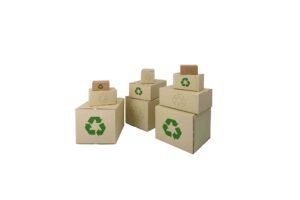
Recyclable cardboard, molded pulp, biodegradable packaging peanuts, and paper-based cushioning materials are becoming increasingly popular. These alternatives often provide comparable protection while reducing environmental impact.
Consumers can support sustainability by choosing companies that prioritize eco-friendly packaging solutions. Market demand encourages innovation and helps accelerate the adoption of greener materials.
Although Styrofoam remains widely used because of its affordability and protective qualities, the packaging industry continues to evolve toward more sustainable options.
The Future of Packaging Sustainability
The conversation surrounding what to do with Styrofoam packaging reflects broader concerns about waste reduction and environmental responsibility.
Governments, manufacturers, and consumers are increasingly focused on developing circular economy solutions. Improved recycling technologies, expanded collection programs, and innovative materials are helping reduce packaging waste.
Businesses are also investing in packaging designs that minimize material usage while maintaining product protection. These advancements create opportunities for more sustainable shipping practices without compromising performance.
As awareness continues to grow, individuals play an important role by making informed disposal and recycling decisions.
Tetra packaging is a type of multi-layer carton packaging designed to keep food and beverages fresh for extended periods without requiring preservatives. Made from a combination of paperboard, plastic, and aluminum, it provides excellent protection against light, air, and moisture. It is widely used for products such as milk, juice, and soups due to its convenience, durability, and efficient storage capabilities.
Frequently Asked Questions
What is the best thing to do with Styrofoam packaging?
The best option is to reuse or recycle it whenever possible. If recycling facilities are available, clean Styrofoam should be taken to approved collection centers.
Can Styrofoam go in regular recycling bins?
In most areas, Styrofoam is not accepted through curbside recycling programs. Always check local recycling guidelines before placing it in recycling bins.
Is Styrofoam harmful to the environment?
Yes. Styrofoam does not biodegrade easily and can contribute to pollution if improperly disposed of. Responsible recycling and reuse help reduce environmental impact.
Where can I recycle Styrofoam packaging?
Specialized recycling centers, community recycling events, and certain mail-back programs may accept Styrofoam packaging. Local waste management departments can provide specific information.
Can Styrofoam packaging be reused?
Absolutely. Styrofoam packaging is highly durable and can be reused for shipping, storage, moving, crafts, and protective cushioning.
Conclusion
If you have ever wondered what to do with Styrofoam packaging, the answer depends on the resources available in your community. Reusing materials whenever possible is often the simplest and most environmentally responsible option. Recycling through approved facilities provides another effective solution, while donation can help extend the life of packaging materials.
By making informed choices, consumers can reduce landfill waste and support sustainability efforts. The next time a package arrives with Styrofoam protection, consider reuse, recycling, or donation before sending it to the trash. Small actions can contribute to a cleaner environment and encourage more responsible packaging practices for future generations.
If you found this guide helpful, explore additional sustainable packaging solutions and share these tips with others to help reduce packaging waste in your community.