Introduction
As environmental awareness continues to grow, businesses and consumers are paying closer attention to packaging waste. One of the most common questions people ask is: what packaging is recyclable? Understanding recyclable packaging helps reduce landfill waste, conserve natural resources, and support a circular economy.
Packaging plays a crucial role in protecting products during storage and transportation. However, not all packaging materials can be recycled. Some materials are easily processed and reused, while others are difficult or impossible to recycle through standard recycling systems.
What Packaging Is Recyclable and Why It Matters
When discussing what packaging is recyclable, it is important to understand the basic concept of recycling. Recyclable packaging is packaging that can be collected, processed, and transformed into new products after use. Recycling reduces the demand for raw materials. It also lowers energy consumption and decreases greenhouse gas emissions. As a result, recyclable packaging is becoming a key focus for manufacturers, retailers, and consumers worldwide.
Many companies now prioritize recyclable materials because customers increasingly prefer environmentally responsible brands. Sustainable packaging can improve a company’s reputation while helping protect the planet.
Common Types of Recyclable Packaging Materials
The answer to what packaging is recyclable often depends on the material used. Some packaging materials are widely accepted by recycling facilities and have established recycling processes. Paper-based packaging is one of the most recyclable options available. Cardboard boxes, paper cartons, paper bags, and paper wraps can usually be recycled multiple times. Businesses frequently use paper packaging because it is renewable and easy to process.
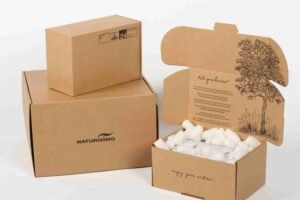
Corrugated cardboard is especially popular for shipping and storage applications. Products such as archive boxes are often manufactured from recyclable cardboard, making them an environmentally friendly packaging solution. Glass packaging is another highly recyclable material. Glass bottles and jars can be recycled repeatedly without losing quality. This makes glass one of the most sustainable packaging choices available.
Understanding Recyclable Plastic Packaging
Plastic packaging often creates confusion when people ask what packaging is recyclable. While many plastics are technically recyclable, not all are accepted by local recycling programs.
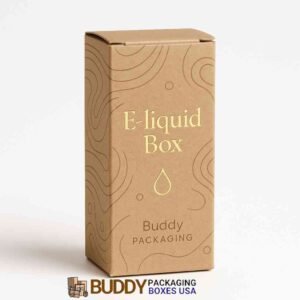
Polyethylene terephthalate, commonly known as PET, is one of the most recyclable plastics. It is frequently used for beverage bottles and food containers. High-density polyethylene, or HDPE, is another widely recycled plastic found in detergent bottles and milk containers. Some specialty packaging products also use recyclable plastic components. For example, packaging designed for cosmetic and pharmaceutical products may incorporate recyclable materials, such as those used in ustom 15ml bottle boxes depending on the design and material selection.
How to Identify Recyclable Packaging
Knowing what packaging is recyclable requires understanding recycling symbols and labels. Most recyclable packaging includes identification marks that indicate whether the material can be processed through recycling systems. The recycling symbol, often represented by three chasing arrows, provides valuable information. Plastic packaging may also display a number ranging from one to seven, indicating the type of plastic resin used.
Consumers should always check local recycling guidelines because acceptance standards vary between municipalities. A package considered recyclable in one area may not be recyclable elsewhere. Clear labeling helps consumers dispose of packaging correctly. Businesses that provide recycling instructions on their packaging often experience better sustainability outcomes.
The Benefits of Using Recyclable Packaging
There are many reasons why businesses are investing in recyclable packaging solutions. Understanding these advantages helps explain why the question what packaging is recyclable is becoming increasingly important. First, recyclable packaging reduces environmental impact. Materials that are recycled stay in circulation longer and reduce the need for virgin resources.
Second, recycling helps conserve energy. Manufacturing products from recycled materials often requires less energy than producing them from raw resources. Third, recyclable packaging supports corporate sustainability goals. Many organizations have committed to reducing waste and improving environmental performance.
Challenges Associated with Recyclable Packaging
Although recyclable packaging offers numerous benefits, several challenges still exist. Understanding these obstacles is important when evaluating what packaging is recyclable. Contamination is one of the biggest issues. Food residue, liquids, and non-recyclable materials can contaminate recycling streams and reduce recycling efficiency.
Another challenge involves packaging made from multiple materials. Packages that combine plastic, aluminum, and paper may provide excellent product protection but can be difficult to separate during recycling. Consumer awareness also remains a concern. Many people are unsure about proper recycling practices, leading to incorrect disposal methods. Additionally, recycling infrastructure differs significantly between regions. Some communities have advanced recycling facilities, while others have limited capabilities.
The Role of Businesses in Promoting Recyclable Packaging
Businesses play a significant role in advancing sustainable packaging practices. Companies that understand what packaging is recyclable can make better decisions throughout their supply chains. Packaging designers increasingly focus on creating products that are easier to recycle. This includes reducing unnecessary materials, eliminating difficult-to-recycle components, and selecting recyclable alternatives whenever possible.
Many businesses are also investing in packaging innovation. New technologies allow manufacturers to create strong, durable packaging while improving recyclability. Education is another important factor. Brands that clearly communicate recycling instructions help consumers participate more effectively in recycling programs.
How Consumers Can Support Packaging Recycling
Consumers have an essential role in ensuring recyclable packaging reaches recycling facilities. Even when packaging is designed for recycling, proper disposal is necessary for successful material recovery. Before placing packaging in recycling bins, consumers should remove food residue and other contaminants whenever possible. Clean materials are more likely to be processed successfully.
Separating recyclable materials according to local guidelines also improves recycling outcomes. Different municipalities may have unique requirements regarding paper, plastic, glass, and metal packaging. Choosing products packaged in recyclable materials sends a strong market signal. Consumer demand encourages businesses to adopt more sustainable packaging practices and invest in recyclable alternatives.
Future Trends in Recyclable Packaging
The future of packaging is increasingly focused on sustainability. As more people ask what packaging is recyclable, industries are responding with innovative solutions. Packaging manufacturers are developing materials that are easier to recycle and more compatible with existing recycling infrastructure. Advances in material science continue to improve packaging performance while reducing environmental impact.
Governments around the world are implementing policies that encourage recycling and reduce packaging waste. These regulations are driving businesses to rethink packaging design and material selection. Digital technologies are also helping improve recycling systems. Smart labels and digital tracking solutions can provide consumers with more accurate recycling instructions. As sustainability becomes a global priority, recyclable packaging will likely play an even larger role in product development and distribution.
Conclusion
Understanding what packaging is recyclable is essential for businesses and consumers seeking more sustainable solutions. Recyclable packaging helps reduce waste, conserve resources, and support a healthier environment. Materials such as paper, cardboard, glass, metals, and certain plastics are among the most commonly recycled packaging options available today.
As sustainable packaging becomes more common, understanding how to recycle compostable packaging is essential for reducing waste. Compostable materials are designed to break down naturally under the right conditions, helping to minimize environmental impact. Learning the correct disposal methods ensures these eco-friendly packaging solutions deliver their full sustainability benefits.
Frequently Asked Questions
What packaging materials are most commonly recyclable?
Paper, cardboard, glass, aluminum, steel, PET plastic, and HDPE plastic are among the most commonly recyclable packaging materials.
Can all plastic packaging be recycled?
No. Some plastics are widely recyclable, while others require specialized facilities or may not be accepted by local recycling programs.
How can I tell if packaging is recyclable?
Look for recycling symbols, material identification codes, and disposal instructions printed on the packaging.
Why is recyclable packaging important?
Recyclable packaging reduces waste, conserves resources, lowers energy consumption, and supports environmental sustainability.
Is cardboard packaging recyclable?
Yes. Most cardboard packaging, including shipping boxes and storage cartons, is highly recyclable and widely accepted by recycling programs.
What happens to recyclable packaging after collection?
Collected materials are sorted, processed, and transformed into raw materials that can be used to manufacture new products.