Introduction
If you have ever baked a fresh batch of cookies and wondered how long should cookies cool before packaging, you are asking an important question that can directly affect the quality of your baked goods. Whether you are baking for family, friends, customers, or a home-based bakery business, proper cooling is essential before placing cookies into any type of packaging.
Many people focus on ingredients, baking temperatures, and decorating techniques, but the cooling stage is often overlooked. Packaging cookies too soon can create moisture buildup, ruin texture, and reduce shelf life. Allowing cookies to cool properly ensures they remain fresh, attractive, and delicious.
Understanding the ideal cooling time helps maintain the quality of your cookies and protects all the effort that went into making them.
Why Cooling Cookies Before Packaging Is Important
Freshly baked cookies contain residual heat and moisture even after they are removed from the oven. During the cooling process, this trapped heat gradually escapes while the cookie structure continues to set.
When warm cookies are sealed inside containers, bags, or boxes, the heat generates condensation. This moisture becomes trapped inside the packaging and can make cookies soggy or sticky. In some cases, excess moisture may encourage mold growth or shorten the product’s shelf life.
Professional bakers understand that proper cooling is just as important as the baking process itself. Taking the time to cool cookies thoroughly helps preserve flavor, texture, and appearance while improving customer satisfaction.
How Long Should Cookies Cool Before Packaging?
The answer to how long should cookies cool before packaging depends on the type and size of the cookies. In most situations, cookies should cool for at least one hour before being packaged. Larger or thicker cookies may require up to two hours to reach room temperature completely.
Immediately after baking, cookies should remain on the baking tray for several minutes. This allows them to firm up and finish setting. Afterward, they should be transferred to a wire rack where air can circulate freely around them.
The most reliable guideline is not simply the amount of time but the temperature of the cookie itself. Cookies should feel completely cool when touched. If any warmth remains, they are not yet ready for packaging.
What Happens When Cookies Are Packaged Too Soon?
Packaging cookies before they have fully cooled can cause several problems. The most common issue is condensation. As warm cookies release steam inside a sealed package, moisture accumulates on the interior surface and eventually settles back onto the cookies.
This process can change the texture significantly. Crispy cookies may become soft, while decorated cookies may develop smudged icing or damaged designs. Chocolate chips and toppings can also melt or lose their appearance.
For businesses selling baked goods, premature packaging can lead to customer complaints, reduced shelf life, and wasted product. Proper cooling eliminates these risks and helps maintain a professional standard.
How Cookie Type Affects Cooling Time
Not all cookies cool at the same rate. Thin cookies generally cool faster than thick bakery-style cookies because they contain less retained heat. Soft cookies tend to hold moisture longer and often require additional cooling time compared to crisp varieties.
Decorated sugar cookies deserve special attention because the icing may continue drying long after the cookie itself has cooled. Even if the cookie feels cool, the decoration may require several additional hours before packaging.
Large gourmet cookies, often sold by specialty bakeries, can remain warm internally for much longer than standard cookies. These products should be carefully monitored before being packaged to prevent moisture-related issues.
The Role of Proper Packaging
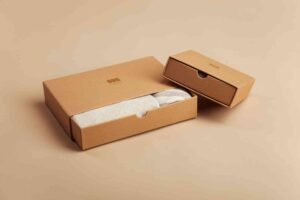
After understanding how long should cookies cool before packaging, the next step is selecting suitable packaging materials. High-quality packaging protects cookies from environmental factors while preserving freshness and presentation.
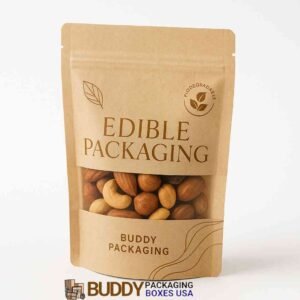
Businesses looking for innovative and sustainable packaging solutions often explore edible packaging options. These environmentally conscious alternatives can help brands stand out while reducing packaging waste.
Proper packaging not only safeguards the cookies but also enhances the customer experience. The combination of thorough cooling and quality packaging creates a product that looks professional and remains fresh longer.
Environmental Factors That Influence Cooling
The surrounding environment plays an important role in determining how quickly cookies cool. In humid climates, moisture in the air can slow the cooling process and affect texture. Warm kitchens may also extend cooling times.
Air circulation is one of the most effective ways to cool cookies efficiently. Wire cooling racks allow heat to escape from all sides, promoting even cooling throughout the cookie. Placing cookies directly into containers before they have cooled properly prevents this process from occurring.
Professional bakeries often maintain controlled environments specifically designed to optimize cooling and packaging operations.
Storage After Packaging
Once cookies have cooled completely and have been packaged correctly, proper storage becomes essential. Airtight containers help preserve freshness by minimizing exposure to air and moisture.
Cookies should be stored in a cool, dry location away from direct sunlight. Excessive heat can alter texture and flavor, while humidity can introduce unwanted moisture.
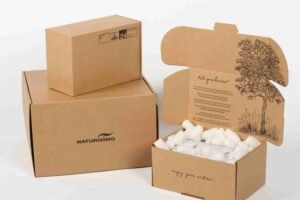
Businesses shipping baked goods often use specialty packaging solutions, including custom bottle boxes, adapted for premium cookie presentation and protection during transportation. Strong packaging materials help ensure cookies arrive in excellent condition.
Common Cooling Mistakes to Avoid
One of the biggest mistakes bakers make is assuming that cookies are ready to package simply because the surface feels cool. In reality, residual heat may still remain inside thicker cookies.
Another mistake is stacking cookies during the cooling process. Stacked cookies trap heat and moisture, preventing proper airflow. This can increase cooling times and negatively impact texture.
Rushing the process to meet deadlines or fulfill orders often results in condensation problems that could have been avoided with a little extra patience.
For businesses looking to enhance their brand image through high-quality custom packaging, Buddy Packaging Co offers reliable and innovative solutions tailored to different industries. From custom printed boxes to eco-friendly packaging options, their products are designed to protect items while improving presentation. Explore premium packaging services at Buddy Packaging Co and discover packaging solutions that help your brand stand out in a competitive market.
FAQs
How long should cookies cool before packaging for sale?
Cookies intended for sale should generally cool for one to two hours or until they reach room temperature. This helps prevent condensation and preserves freshness.
Can I package cookies while they are slightly warm?
No. Even slight warmth can create moisture inside sealed packaging, leading to soggy cookies and reduced shelf life.
Do thick cookies require longer cooling times?
Yes. Thick cookies retain heat longer than thin cookies and may require up to two hours to cool completely.
Why do cookies become soft after packaging?
Cookies often become soft because they were packaged before fully cooling, which traps moisture inside the package.
Should decorated cookies cool longer before packaging?
Decorated cookies usually need additional time for icing or frosting to fully set before they can be packaged safely.
What is the best way to cool cookies quickly?
Transfer cookies to a wire rack and place them in a cool, well-ventilated area. Proper airflow helps heat escape more efficiently.
Can cookies be frozen after packaging?
Yes. Once fully cooled and properly packaged, cookies can be frozen to maintain freshness for an extended period.