Introduction
If you run a product-based business, you’ve likely asked yourself, how much does packaging cost? It’s a simple question, but the answer can vary widely. Packaging is more than just a box. It protects your product, builds your brand, and shapes customer experience.
Costs depend on materials, design, order volume, and customization. Therefore, understanding these factors helps you plan your budget wisely. In this guide, you’ll learn exactly how much packaging costs and what drives those prices.
What Determines How Much Packaging Costs
Several factors influence how much packaging costs for your business. Each one plays a key role in the final price you pay.
Material Selection Matters
Packaging materials vary in price and quality. Cardboard, kraft paper, plastic, and rigid boxes all have different costs. For example, basic cardboard is cheaper than premium rigid packaging.
Eco-friendly materials may cost more initially. However, they often attract environmentally conscious customers. This can increase long-term value.
Design and Customization
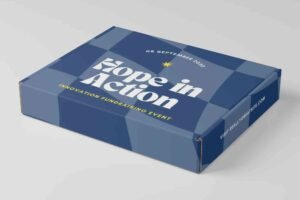
Custom packaging adds branding and uniqueness. However, it also increases costs. Printing logos, colors, and special finishes like embossing raises production expenses.
For instance, a simple plain box costs far less than a fully branded one. Yet, branded packaging often boosts customer retention.
Order Quantity Impacts Pricing
Bulk ordering significantly reduces cost per unit. Small orders cost more because setup fees are spread across fewer units.
Large businesses benefit from economies of scale. Meanwhile, startups may pay higher per-unit costs initially.
Box Size and Dimensions
Larger packaging uses more material. Therefore, bigger boxes cost more. Additionally, irregular shapes may increase manufacturing complexity.
Choosing the right size reduces waste and shipping costs. This decision directly impacts how much packaging costs overall.
Shipping and Logistics
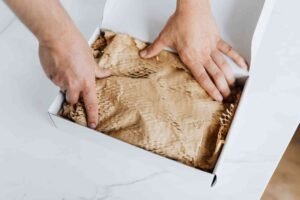
Packaging costs are not limited to production. Shipping materials, storage, and transportation add extra expenses.
Lightweight packaging can reduce shipping costs. Therefore, businesses often balance durability and weight.
Average Packaging Costs Breakdown
When asking how much does packaging cost, it helps to look at typical price ranges. Basic packaging like plain cardboard boxes can cost between $0.50 and $2 per unit. Custom printed boxes usually range from $1 to $5 per unit depending on design.
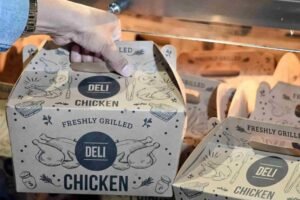
Premium rigid boxes may cost $5 to $20 each. These are often used for luxury products. Food packaging, such as burger boxes, typically falls between $0.20 and $1 per unit depending on material and printing. Specialty packaging like a baseball cap box may cost $2 to $8 per unit due to unique shapes and durability requirements.
Packaging Costs for Different Industries
Different industries have unique packaging needs. As a result, costs vary significantly.
E-commerce Packaging
E-commerce businesses need durable and lightweight packaging. Costs usually range from $1 to $3 per package.
Branded packaging is becoming more common. It enhances unboxing experiences and customer loyalty.
Food Packaging
Food packaging must meet safety standards. This often increases costs slightly. However, bulk orders can lower prices.
Items like takeaway boxes or wrappers are usually cost-effective. Yet, custom designs can increase pricing.
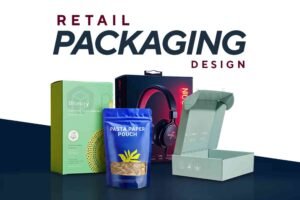
Retail and Luxury Packaging
Retail products often require visually appealing packaging. Luxury brands invest heavily in premium materials.
These packages may include magnetic closures or textured finishes. Therefore, costs can exceed $10 per unit.
Subscription Box Packaging
Subscription services rely on consistent packaging. Costs range from $2 to $7 per box depending on branding.
Custom inserts and printing add to the overall expense. However, they improve customer experience.
Hidden Costs You Should Consider
When calculating how much does packaging cost, many businesses overlook hidden expenses.
Design fees can add up quickly if you hire professionals. Additionally, printing plates and setup costs may apply. Storage costs are another factor. Large packaging orders require warehouse space. This increases operational expenses. Damaged goods due to poor packaging also lead to losses. Therefore, investing in quality packaging can save money long term. Returns and replacements also impact costs. Strong packaging reduces these risks significantly.
How to Reduce Packaging Costs
Reducing packaging expenses without sacrificing quality is possible. Strategic decisions can make a big difference. Choosing standard sizes helps lower production costs. Custom sizes increase complexity and price. Ordering in bulk reduces per-unit costs. Even small businesses can benefit from larger orders. Simplifying design also saves money. Minimalist packaging often looks modern and costs less.
Working with reliable suppliers ensures consistent quality. This prevents costly mistakes and delays. Using lightweight materials reduces shipping costs. However, durability should not be compromised.
Why Packaging Is Worth the Investment
Although businesses worry about how much packaging costs, it is an essential investment. Packaging influences customer perception and brand identity.
High-quality packaging creates a memorable unboxing experience. This encourages repeat purchases and social sharing. It also protects products during transit. This reduces damage and returns. Moreover, packaging acts as a marketing tool. Branded boxes increase visibility and recognition. Therefore, spending wisely on packaging often leads to higher profits.
How to Estimate Your Packaging Budget
To estimate how much packaging costs for your business, start by identifying your needs. Consider product size, weight, and fragility. Next, decide on branding requirements. Simple packaging costs less than fully customized designs.
Calculate your monthly or yearly order volume. This helps determine bulk pricing options. Request quotes from multiple suppliers. Compare pricing, quality, and turnaround times. Finally, include shipping and storage costs in your budget. This gives a complete picture of total expenses.
Common Mistakes That Increase Packaging Costs
Many businesses make avoidable mistakes when managing packaging costs. These errors can significantly impact budgets. Over-customization is a common issue. Too many design elements increase production costs unnecessarily.
Ordering small quantities frequently also raises costs. Bulk purchasing is more economical. Ignoring material quality can lead to product damage. This results in higher replacement costs. Choosing oversized packaging wastes materials and increases shipping fees. Proper sizing is essential.
Conclusion
So, how much does packaging cost? The answer depends on several factors, including materials, design, quantity, and industry needs. While basic packaging can cost under a dollar, premium options may exceed $10 per unit. Understanding these variables helps you make informed decisions. More importantly, it allows you to balance cost and quality effectively. Packaging is not just an expense. It is an investment in your brand and customer experience. By planning carefully, you can control costs while delivering value.
Packaging refers to the process of designing and creating containers or wrapping for products to protect, store, and present them effectively. It plays a key role in marketing, branding, and customer experience. Understanding what does packaging mean helps businesses improve product safety, attract buyers, and ensure goods reach consumers in perfect condition.
FAQs
How much does packaging cost per unit?
Packaging costs typically range from $0.20 to $10 per unit depending on material and customization.
Why is custom packaging more expensive?
Custom packaging includes design, printing, and setup costs, which increase the overall price.
How can I reduce packaging costs?
You can reduce costs by ordering in bulk, simplifying designs, and choosing standard sizes.
Does packaging affect product sales?
Yes, attractive packaging improves customer experience and can increase sales.
What is the cheapest packaging option?
Plain cardboard or kraft packaging is usually the most affordable option.