Introduction
Understanding what are sustainable packaging materials is becoming more important in today’s world. Businesses and consumers are shifting toward eco-friendly solutions that reduce environmental harm. These materials are designed to minimize waste, lower carbon emissions, and support recycling or reuse.
In simple terms, what are sustainable packaging materials refers to packaging solutions made from renewable, recyclable, or biodegradable resources. They help protect products while reducing long-term damage to the environment. As global awareness increases, industries are actively adopting smarter packaging choices.
From food delivery to e-commerce, sustainable packaging is now shaping modern supply chains. It is not just a trend but a necessity for environmental responsibility and business growth.
What Are Sustainable Packaging Materials in Simple Terms
When we ask what are sustainable packaging materials, we refer to materials that can be reused, recycled, or safely decomposed. These materials are designed to reduce dependency on plastics and harmful chemicals.
They are often made from natural or recycled sources. This includes paper, cardboard, plant-based plastics, and biodegradable composites. The main goal is to ensure minimal environmental impact throughout the product lifecycle.
Key Characteristics of Sustainable Packaging Materials
To fully understand what are sustainable packaging materials, it is important to look at their core features. These characteristics define their environmental value and usability.
Renewable Sourcing
Sustainable packaging is often made from renewable resources like bamboo, cornstarch, and sugarcane. These materials can be regrown naturally without exhausting Earth’s resources.
Recyclability and Reusability
Another key feature is recyclability. Many sustainable packaging materials can be processed and reused multiple times. This reduces landfill waste and supports a circular economy.
Biodegradability
A major advantage is biodegradability. These materials break down naturally over time without leaving harmful residues in the environment.
Low Carbon Footprint
Sustainable packaging production typically uses less energy. This helps reduce greenhouse gas emissions and supports climate-friendly manufacturing practices.
Common Types of Sustainable Packaging Materials
To better understand what are sustainable packaging materials, we must explore the most commonly used types in the industry today.
Paper and Cardboard Packaging
Paper-based packaging is one of the most widely used eco-friendly options. It is lightweight, recyclable, and biodegradable. Many companies use cardboard for shipping boxes and product protection.
For example, modern e-commerce brands rely on packaging solutions like die cut boxes to improve product safety while maintaining sustainability goals.
Bioplastics
Bioplastics are made from natural sources such as corn starch and vegetable fats. Unlike traditional plastics, they break down faster under the right conditions. They are commonly used in food packaging and disposable items.
Glass Packaging
Glass is a highly sustainable material because it can be recycled endlessly without losing quality. It is commonly used for beverages, cosmetics, and food storage.
Metal Packaging
Aluminum and steel are also sustainable options. They are strong, reusable, and highly recyclable. Many beverage companies use aluminum cans due to their efficiency in recycling systems.
Plant-Based Packaging
Plant-based packaging uses materials like mushroom fibers, seaweed, or agricultural waste. These innovative solutions are gaining popularity in eco-conscious industries.
Comparison of Sustainable Packaging Materials
Below is a simple comparison table to help understand what are sustainable packaging materials in practical terms.
Material Type Durability Eco Impact Recyclability Common Use
Paper & Cardboard Medium Low High Shipping boxes, retail packaging
Bioplastics Medium Low Medium Food containers, bags
Glass High Very Low Very High Bottles, jars
Metal High Low Very High Cans, containers
Plant-Based Low to Medium Very Low Compostable Packaging, wraps
This comparison shows that each material has different strengths depending on usage needs and environmental goals.
Benefits of Using Sustainable Packaging Materials
Understanding what are sustainable packaging materials also involves recognizing their benefits for businesses and the environment.
Environmental Protection
These materials significantly reduce pollution and waste. They help protect ecosystems by lowering plastic accumulation in landfills and oceans.
Cost Efficiency Over Time
Although initial costs may be higher, sustainable packaging often reduces long-term expenses. Recycling and reuse lower production and disposal costs.
Improved Brand Image
Consumers prefer eco-friendly brands. Using sustainable packaging builds trust and improves brand reputation in competitive markets.
Regulatory Compliance
Many countries are introducing strict environmental regulations. Sustainable packaging helps businesses stay compliant with global standards.
Role of Sustainable Packaging in Modern Industries
The importance of what are sustainable packaging materials is especially visible in industries like food, cosmetics, and e-commerce.
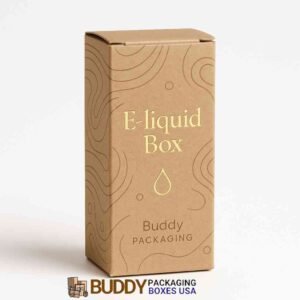
In online retail, packaging plays a major role in customer experience. Businesses are shifting toward eco-friendly alternatives such as custom OZ bottle boxes to ensure both protection and sustainability.
Food industries also rely heavily on biodegradable packaging to maintain hygiene while reducing waste. Similarly, cosmetic brands are investing in recyclable packaging to attract environmentally conscious consumers.
Challenges in Sustainable Packaging Adoption
Even though understanding what are sustainable packaging materials is easy, implementing them comes with challenges.
One major issue is cost. Sustainable materials can be more expensive than traditional plastics. Another challenge is limited availability in some regions.
Performance is also a concern in certain cases. Some biodegradable materials may not offer the same durability as synthetic options.
However, ongoing innovation is solving these problems gradually. Governments and companies are investing in research to improve efficiency and affordability.
Future of Sustainable Packaging Materials
The future of what are sustainable packaging materials looks very promising. With increasing environmental awareness, demand for eco-friendly packaging will continue to grow.
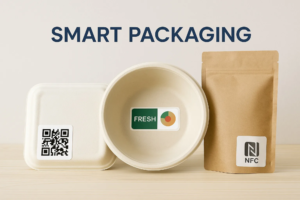
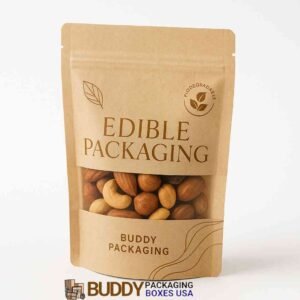
Technologies like smart packaging, edible packaging, and fully compostable materials are already in development. Businesses are also focusing on zero-waste supply chains.
In the coming years, sustainable packaging will likely become the global standard rather than an option.
buddypackagingco.com is a reliable platform offering high-quality packaging solutions for various industries. From custom boxes to eco-friendly materials, it provides durable and affordable options. The website ensures fast service, modern designs, and customer satisfaction, making it a trusted choice for businesses looking for professional packaging services online.
FAQ Section
What are sustainable packaging materials made of?
Sustainable packaging materials are made from renewable or recycled sources such as paper, bamboo, cornstarch, and plant fibers. They are designed to reduce environmental impact.
Why are sustainable packaging materials important?
They are important because they help reduce waste, lower pollution, and conserve natural resources. They also support long-term environmental protection.
Are sustainable packaging materials expensive?
In some cases, they can be slightly more expensive initially. However, long-term savings and environmental benefits often outweigh the cost difference.
Can sustainable packaging replace plastic completely?
Not entirely at the moment. However, it can significantly reduce plastic usage and is gradually replacing it in many industries.
What industries use sustainable packaging materials the most?
Food, e-commerce, cosmetics, and beverage industries are the biggest users of sustainable packaging solutions today.
Conclusion
Understanding what are sustainable packaging materials is essential in today’s eco-conscious world. These materials provide a smart balance between product protection and environmental responsibility.
They help reduce pollution, support recycling systems, and improve brand value. While challenges exist, innovation continues to improve their efficiency and affordability.
Businesses that adopt sustainable packaging today are investing in a cleaner and more responsible future.