Introduction
Understanding what does packaging mean is essential in today’s product-driven world. Packaging is more than just wrapping a product. It plays a critical role in protection, branding, and customer experience. Whether you run a small business or a large company, packaging directly affects how customers perceive your product. In simple terms, packaging refers to the process of designing, evaluating, and producing containers for products. However, its meaning goes far beyond that basic definition. It influences buying decisions, protects goods during transport, and communicates brand identity.
As industries grow more competitive, packaging has evolved into a powerful marketing tool. From retail shelves to e-commerce deliveries, packaging is everywhere. So, understanding what does packaging mean helps businesses stand out and build trust.
What Does Packaging Mean in Simple Terms
When we ask what does packaging mean, we are talking about how a product is enclosed, protected, and presented. Packaging includes materials like boxes, bottles, wrappers, and containers used to store or ship products. At its core, packaging serves three main purposes. It protects the product from damage. It provides information to the consumer. It also enhances the product’s appearance.
For example, a fragile item needs strong packaging to prevent breakage. At the same time, attractive packaging can attract customers and boost sales. This balance between function and design defines modern packaging.
The Evolution of Packaging
To fully understand what does packaging mean, it is important to look at its history. Packaging started with simple materials like leaves, clay pots, and wooden boxes. These early methods focused mainly on storage and transport. Over time, packaging evolved with technology. Glass bottles, metal cans, and cardboard boxes became common. Today, packaging includes advanced materials like biodegradable plastics and smart packaging solutions.
Modern packaging is not just about protection. It also focuses on sustainability, branding, and convenience. This shift shows how the meaning of packaging has expanded over time.
Types of Packaging
When exploring what does packaging mean, it is useful to understand its different types. Packaging is generally divided into three levels based on its function.
Primary Packaging
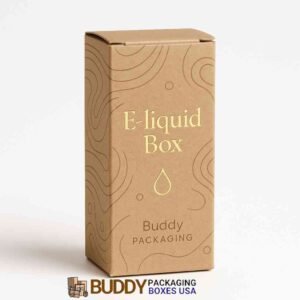
Primary packaging is the first layer that directly holds the product. Examples include bottles, cans, or wrappers. This type of packaging is essential for product safety and usability.
Secondary Packaging
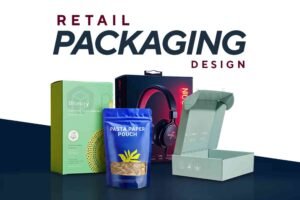
Secondary packaging groups multiple products together. It is often used for branding and display purposes. For example, cardboard boxes that hold multiple items fall into this category.
Businesses often use solutions like custom display boxes to enhance product visibility in stores. These boxes not only protect products but also attract customers.
Tertiary Packaging
Tertiary packaging is used for bulk handling and transportation. It includes pallets, large cartons, and shrink wraps. This type ensures products are delivered safely over long distances.
Understanding these levels helps clarify what does packaging mean in practical terms.
Importance of Packaging in Business
Packaging plays a crucial role in business success. When asking what does packaging mean, we must consider its impact on sales, branding, and customer satisfaction. First, packaging protects products from damage during storage and transportation. Without proper packaging, goods can be easily damaged, leading to losses. Second, packaging communicates important information. Labels provide details like ingredients, instructions, and expiry dates. This builds trust with customers.
Third, packaging enhances brand identity. Unique designs, colors, and logos make products stand out. This is especially important in crowded markets. Finally, packaging influences buying decisions. Attractive packaging can grab attention and encourage impulse purchases.
Packaging as a Marketing Tool
One of the most important aspects of what does packaging mean is its role in marketing. Packaging acts as a silent salesperson. It communicates the value of the product without words. For instance, premium packaging creates a sense of luxury. Eco-friendly packaging appeals to environmentally conscious customers. Minimalist designs attract modern consumers.
Moreover, packaging helps build brand recognition. Consistent design elements make it easier for customers to identify your products. Businesses also use packaging to tell a story. This emotional connection can increase customer loyalty and repeat purchases.
Role of Packaging in E-commerce
With the rise of online shopping, the meaning of packaging has expanded further. In e-commerce, packaging is often the first physical interaction a customer has with a brand. When considering what does packaging mean in e-commerce, it includes protection, presentation, and unboxing experience. Products must arrive safely, but they should also create a memorable impression.
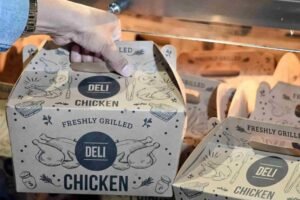
For example, food businesses rely on secure and hygienic solutions like custom food boxes to maintain quality during delivery. These boxes ensure freshness while also representing the brand. A well-designed package can turn a simple delivery into a delightful experience. This can lead to positive reviews and social media sharing.
Sustainable Packaging Trends
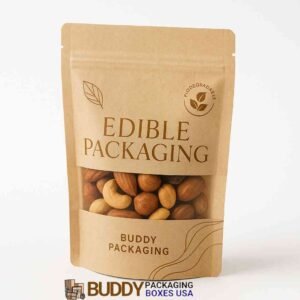
Today, sustainability is a major factor in defining what does packaging mean. Consumers are becoming more aware of environmental issues. As a result, businesses are shifting towards eco-friendly packaging. Sustainable packaging uses recyclable, biodegradable, or reusable materials. It reduces waste and minimizes environmental impact.
Companies are also reducing excessive packaging. Minimal designs not only save costs but also appeal to eco-conscious customers. This trend shows that packaging is no longer just about function. It is also about responsibility and long-term impact.
Key Elements of Effective Packaging
To truly understand what does packaging mean, we must look at what makes packaging effective. Good packaging combines functionality with design.
- First, durability is essential. Packaging must protect the product under different conditions.
- Second, design matters. Colors, typography, and layout should reflect the brand identity.
- Third, convenience is important. Easy-to-open and resealable packaging improves user experience.
- Fourth, information should be clear. Labels must provide accurate and useful details.
- Finally, sustainability should be considered. Eco-friendly choices enhance brand reputation.
These elements work together to create packaging that meets both business and customer needs.
Common Packaging Materials
Another important aspect of what does packaging mean is the choice of materials. Different materials serve different purposes. Plastic is widely used due to its flexibility and durability. However, it raises environmental concerns. Glass offers a premium look and is recyclable. It is commonly used for beverages and cosmetics.
Metal provides strength and protection. It is often used for canned goods. Paper and cardboard are popular for their eco-friendliness. They are widely used in retail and shipping. Choosing the right material depends on the product, budget, and brand values.
Challenges in Packaging
Despite its importance, packaging comes with challenges. Understanding these challenges helps explain what does packaging mean in real-world scenarios.
- One major challenge is cost. High-quality packaging can be expensive, especially for small businesses.
- Another issue is sustainability. Balancing functionality with eco-friendliness can be difficult.
- Transportation is also a concern. Packaging must withstand handling and environmental conditions.
- Finally, regulations must be followed. Different industries have specific packaging requirements.
- Overcoming these challenges requires careful planning and innovation.
Future of Packaging
Looking ahead, the concept of what does packaging mean will continue to evolve. Technology is shaping the future of packaging in exciting ways.
Smart packaging is becoming more common. It includes features like QR codes, sensors, and tracking systems. Personalized packaging is also gaining popularity. Brands are creating unique experiences tailored to individual customers. Sustainability will remain a key focus. Innovations in materials and design will drive eco-friendly solutions. These trends show that packaging will continue to play a vital role in business and consumer experiences.
Conclusion
In conclusion, understanding what does packaging mean goes beyond a simple definition. Packaging is a combination of protection, presentation, and communication. It plays a crucial role in product safety, branding, and customer satisfaction.
Understanding the correct spelling of packaging is essential for clear communication in branding and business content. Many people confuse variations, but using the right term improves professionalism and SEO performance. Learn more through this helpful guide on how to spell packaging and enhance your writing accuracy.
FAQs
What does packaging mean in business
Packaging in business refers to the process of designing and producing containers that protect and promote products. It also helps in branding and marketing.
Why is packaging important
Packaging is important because it protects products, provides information, and influences customer buying decisions. It also enhances brand identity.
What are the main types of packaging
The main types of packaging are primary, secondary, and tertiary packaging. Each serves a different purpose in protection and distribution.
How does packaging affect marketing
Packaging acts as a marketing tool by attracting customers, communicating brand values, and creating a memorable experience.
What is sustainable packaging
Sustainable packaging uses eco-friendly materials and reduces environmental impact. It focuses on recyclability and minimal waste.