Introduction
In today’s competitive market, businesses constantly look for ways to reduce costs, improve productivity, and enhance customer satisfaction. One of the most overlooked areas for improvement is packaging. Understanding how to improve packaging process can help businesses streamline operations, minimize waste, protect products, and create a better customer experience.
A well-optimized packaging process does much more than place products into boxes. It influences shipping costs, product safety, brand reputation, and overall operational efficiency. Whether you operate a small eCommerce store or a large manufacturing facility, improving packaging procedures can deliver measurable benefits.
Why Packaging Process Improvement Matters
The packaging process directly impacts operational performance. When packaging systems are inefficient, businesses often experience delays, damaged products, increased labor costs, and customer complaints. Companies that focus on improving packaging operations typically benefit from faster order fulfillment, lower material expenses, and improved customer satisfaction. Additionally, an optimized packaging workflow helps businesses remain competitive in rapidly changing markets.
Understanding how to improve packaging process begins with recognizing the role packaging plays throughout the supply chain.
Analyze Your Current Packaging Workflow
Before making improvements, evaluate your existing packaging procedures. A detailed assessment helps identify inefficiencies and opportunities for optimization. Examine each stage of the process, from material selection to final shipment preparation. Observe employee workflows and identify tasks that consume excessive time or resources.
Measure key performance indicators such as packaging speed, labor costs, material waste, product damage rates, and shipping expenses. These metrics provide valuable insights into areas requiring attention. When businesses regularly review their workflows, they gain a clearer understanding of how to improve packaging process effectively.
Choose the Right Packaging Materials
Packaging materials significantly influence efficiency, product protection, and shipping costs. Selecting appropriate materials reduces waste and improves operational performance. Businesses should evaluate factors such as product weight, fragility, transportation distance, and storage conditions. Lightweight materials often lower shipping expenses while maintaining adequate protection.
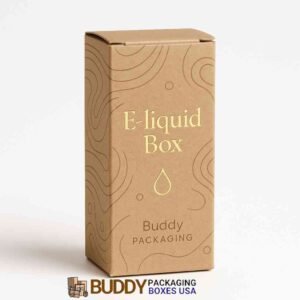
Custom packaging solutions can further improve efficiency. For example, businesses selling caps can benefit from specialized packaging like baseball cap box solutions designed specifically for product dimensions. Custom-sized packaging reduces excess material use and minimizes shipping costs. Similarly, industries requiring secure and attractive packaging can utilize customized e-liquid boxes that offer both protection and branding advantages. Choosing suitable materials remains one of the most effective methods for businesses seeking to learn how to improve packaging process.
Standardize Packaging Procedures
Consistency is essential for operational efficiency. Standardized packaging procedures reduce errors and ensure every employee follows the same process. Create clear packaging guidelines that outline material selection, box assembly, product placement, sealing methods, and labeling requirements. Standard operating procedures help maintain quality regardless of employee experience levels.
Training staff on standardized methods also improves productivity and reduces costly mistakes. As a result, businesses gain greater control over packaging quality and performance.
Invest in Packaging Automation
Automation has transformed modern packaging operations. Automated systems increase speed, improve accuracy, and reduce labor requirements. Businesses can automate several packaging activities, including box forming, product filling, labeling, sealing, and palletizing. Even small automation investments can produce significant efficiency gains.
For high-volume operations, automation often provides a strong return on investment by reducing labor expenses and increasing throughput. Organizations exploring how to improve packaging process should carefully assess automation opportunities that align with their production needs.
Reduce Packaging Waste
Waste reduction benefits both profitability and sustainability goals. Excess packaging materials increase costs and negatively impact environmental performance. Businesses can reduce waste by optimizing package dimensions, minimizing unnecessary fillers, and selecting recyclable materials. Packaging audits help identify areas where material usage can be reduced without compromising product protection.
Sustainable packaging practices also appeal to environmentally conscious consumers. Many customers actively prefer brands that demonstrate a commitment to reducing environmental impact. Therefore, waste reduction remains a critical component of how to improve packaging process while supporting long-term business growth.
Improve Employee Training and Engagement
Employees play a crucial role in packaging performance. Even the most advanced systems require knowledgeable operators to achieve optimal results. Provide regular training sessions covering packaging standards, equipment operation, safety procedures, and quality expectations. Encourage employees to share suggestions for workflow improvements.
Frontline workers often identify inefficiencies that management may overlook. Creating a culture of continuous improvement helps generate valuable ideas and increases employee engagement. Organizations that prioritize workforce development often achieve faster and more sustainable packaging improvements.
Enhance Quality Control Measures
Quality control prevents damaged products from reaching customers. Effective quality assurance processes help maintain brand reputation and reduce costly returns. Inspect packaging materials before use and conduct regular audits throughout production. Monitor sealing quality, label accuracy, package dimensions, and product protection standards.
Implementing checkpoints at critical stages allows businesses to identify issues before products leave the facility. Strong quality control systems are essential for companies focused on how to improve packaging process and reduce operational risks.
Optimize Packaging Design
Packaging design affects both efficiency and customer experience. Poorly designed packaging can increase labor requirements and shipping expenses. Review package dimensions regularly to ensure they match product specifications. Oversized packaging wastes materials and increases transportation costs.
Design packaging that balances protection, functionality, and aesthetics. Easy-to-assemble designs improve packing speed while maintaining product safety. Modern packaging design should also consider sustainability, storage efficiency, and customer convenience. Strategic design improvements often generate substantial operational benefits.
Leverage Technology and Data Analytics
Technology provides valuable insights into packaging performance. Data-driven decision-making helps businesses identify trends and uncover opportunities for improvement. Packaging management software can track production rates, material consumption, error frequencies, and equipment performance. Real-time monitoring enables managers to address issues quickly.
Analytics tools also support forecasting and inventory management, ensuring packaging materials remain available when needed. Businesses seeking advanced strategies for how to improve packaging process should incorporate data analysis into their operations.
Strengthen Supplier Relationships
Reliable suppliers contribute significantly to packaging efficiency. Delays in material deliveries can disrupt production schedules and increase operational costs. Work closely with suppliers to ensure consistent quality and timely deliveries. Establish performance expectations and maintain open communication channels.
Long-term supplier partnerships often lead to better pricing, improved service levels, and access to innovative packaging solutions. Strong supplier relationships support continuous packaging improvement efforts.
Focus on Sustainability and Eco-Friendly Packaging
Sustainability has become a major factor in packaging decisions. Customers increasingly expect businesses to adopt environmentally responsible practices. Use recyclable, biodegradable, or reusable packaging materials whenever possible. Reduce unnecessary packaging layers and eliminate non-essential components.
Eco-friendly packaging not only benefits the environment but can also enhance brand perception and customer loyalty. Sustainable initiatives align perfectly with modern approaches to how to improve packaging process.
Monitor and Continuously Improve Performance
Packaging optimization is not a one-time project. Continuous monitoring ensures processes remain effective as business needs evolve. Regularly review key performance indicators such as packaging speed, damage rates, labor costs, and material usage. Compare results against established benchmarks and identify opportunities for further improvement.
Continuous improvement programs encourage innovation and help organizations maintain operational excellence over time.Businesses that consistently evaluate performance are better positioned to adapt to changing market conditions and customer expectations.
Common Challenges in Packaging Operations
Many organizations encounter obstacles while attempting to improve packaging efficiency. Common challenges include outdated equipment, inconsistent procedures, labor shortages, and rising material costs. Addressing these challenges requires a combination of strategic planning, employee involvement, and technology adoption. Organizations should prioritize improvements that deliver the greatest impact on efficiency and customer satisfaction.
Conclusion
Learning how to improve packaging process is essential for businesses that want to reduce costs, improve efficiency, and deliver exceptional customer experiences. By analyzing workflows, selecting appropriate materials, standardizing procedures, investing in automation, and focusing on sustainability, organizations can significantly enhance packaging performance.
Do it yourself packaging is a practical and cost-effective way to create customized packaging solutions for products, gifts, and personal projects. It allows individuals and businesses to add a unique touch while reducing expenses. With creative materials and simple techniques, DIY packaging can enhance presentation, strengthen branding, and provide an eco-friendly alternative to traditional packaging options.
Frequently Asked Questions
How can packaging efficiency be improved?
Packaging efficiency can be improved by standardizing procedures, reducing waste, optimizing packaging design, automating repetitive tasks, and regularly monitoring performance metrics.
What is the first step in improving a packaging process?
The first step is conducting a detailed assessment of the current workflow. This helps identify bottlenecks, inefficiencies, and opportunities for improvement.
Why is packaging automation important?
Automation increases speed, improves consistency, reduces labor costs, and minimizes human errors during packaging operations.
How does packaging affect customer satisfaction?
Good packaging protects products during transit, creates a positive unboxing experience, and reduces the likelihood of returns or complaints.
What role does sustainability play in packaging improvement?
Sustainability helps reduce environmental impact, lower material waste, and improve brand perception among environmentally conscious consumers.