Introduction
Understanding how to get custom packaging for small business is essential for entrepreneurs who want to create a strong brand identity and improve customer satisfaction. In today’s competitive market, packaging is more than just a protective layer around a product. It serves as a marketing tool, communicates your brand values, and influences how customers perceive your business.
Many small business owners assume that custom packaging is only available to large corporations with significant budgets. However, advancements in printing technology and packaging manufacturing have made custom packaging accessible and affordable for businesses of all sizes. Whether you sell products online, in retail stores, or through subscription services, custom packaging can help differentiate your brand and leave a lasting impression on customers.
This guide explains everything you need to know about how to get custom packaging for small business, from planning and design to supplier selection and cost management.
Why Custom Packaging Is Important for Small Businesses
Custom packaging plays a crucial role in establishing a professional image. When customers receive a product in branded packaging, they immediately recognize the effort and attention to detail that went into the purchase experience. This positive impression can increase trust and encourage repeat business.
Packaging also serves as a silent salesperson. Every box, bag, or carton that carries your logo and brand colors helps reinforce your business identity. As customers share their purchases on social media or recommend your products to friends, your packaging becomes an extension of your marketing strategy.
Another major advantage is customer experience. A carefully designed package can make the unboxing process memorable, increasing the likelihood that customers will return for future purchases.
Determining Your Packaging Requirements
The first step in learning how to get custom packaging for small business is identifying your specific packaging needs. Every product has unique requirements, and understanding these needs helps you choose the most suitable solution.
Product dimensions, weight, and fragility should guide your packaging decisions. A lightweight accessory requires different packaging than a fragile glass item. Packaging should provide adequate protection while avoiding unnecessary bulk that could increase shipping costs.
Branding is equally important. Your packaging should reflect your company’s personality and values. Businesses that promote sustainability may choose recyclable materials, while luxury brands may prefer premium finishes and elegant designs.
Customer expectations should also influence your choices. Understanding what your target audience values allows you to create packaging that enhances their overall experience with your brand.
Choosing the Right Packaging Style
Selecting the right packaging style is an important part of the process. Different products and industries require different packaging solutions.
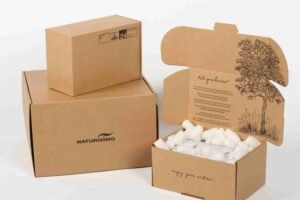
Corrugated boxes are among the most popular choices because they offer excellent protection during transportation. Mailer boxes are commonly used by e-commerce businesses because they combine durability with a premium presentation. Folding cartons are ideal for retail products, while rigid boxes are often used for luxury goods that require a more sophisticated appearance.
Specialized products often benefit from tailored packaging solutions. Businesses selling electronic accessories, for example, can improve product presentation and protection through custom cable packaging designed specifically for their industry.
The goal is to choose packaging that aligns with your product requirements while supporting your brand image.
Designing Packaging That Reflects Your Brand
Packaging design is where your brand truly comes to life. A strong design can transform ordinary packaging into a memorable customer experience.
Consistency is essential. Your packaging should incorporate the same colors, fonts, and visual elements used across your website, social media channels, and marketing materials. This consistency strengthens brand recognition and builds trust among customers.
High-quality graphics and professional layouts create a polished appearance. While it may be tempting to include extensive information on your packaging, a clean and simple design often delivers a stronger impact. Customers appreciate packaging that is visually appealing without feeling cluttered.
Including thoughtful details such as thank-you messages, QR codes, or social media information can also encourage customer engagement and foster brand loyalty.
Finding a Reliable Packaging Supplier
A reputable supplier is one of the most important factors in successfully obtaining custom packaging. The right supplier can guide you through the design and production process while ensuring high-quality results.
When evaluating suppliers, consider their experience, customization options, production capabilities, and communication practices. Requesting samples allows you to assess material quality and printing accuracy before committing to a larger order.
Many suppliers now offer low minimum order quantities, making custom packaging more accessible for small businesses that are not ready to invest in large-scale production.
Building a strong relationship with a reliable supplier can simplify future orders and support your business as it grows.
Understanding Packaging Materials
The materials you choose significantly affect the performance and appearance of your packaging.
Corrugated cardboard remains one of the most widely used materials because it provides strength and durability while remaining cost-effective. Kraft paper is another popular choice, particularly among brands that emphasize environmental responsibility. Its natural appearance appeals to consumers who value sustainability.
Rigid packaging offers a premium feel and is commonly used for luxury products. Although more expensive, it can enhance the perceived value of your products and improve customer impressions.
As sustainability becomes increasingly important, many businesses are adopting recyclable and biodegradable materials. These options help reduce environmental impact while aligning with modern consumer preferences.
Managing Packaging Costs
Budget concerns are often a major consideration when exploring how to get custom packaging for small business. Fortunately, there are several strategies for controlling costs without sacrificing quality.
Starting with a simple design can significantly reduce production expenses. Complex finishes, specialty coatings, and intricate structural designs may increase costs beyond what is necessary for a growing business.
Ordering larger quantities often reduces the cost per unit, although businesses should avoid purchasing excessive inventory. Finding the right balance between volume discounts and storage requirements is essential.
Standardizing packaging sizes across multiple products can also improve efficiency and reduce manufacturing costs. This approach simplifies inventory management and streamlines shipping operations.
Custom Packaging for Specialized Products
Certain industries require unique packaging solutions to meet specific product needs.
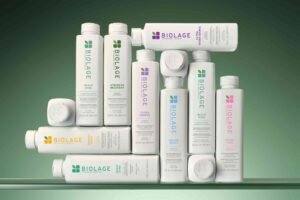
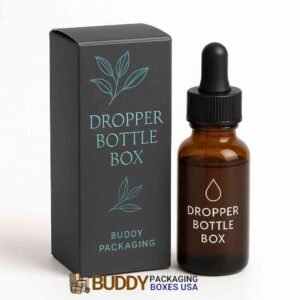
Beauty and wellness brands frequently prioritize packaging that combines aesthetics with protection. Companies that sell oils, serums, and similar products often rely on custom dropper bottle boxes to safeguard delicate containers while enhancing shelf appeal.
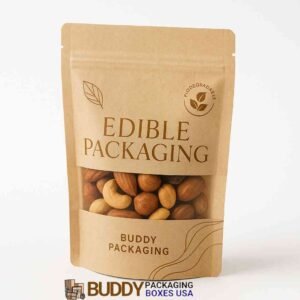
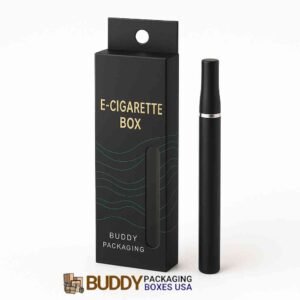
Food products may require packaging that complies with safety regulations, while electronics packaging often focuses on impact resistance and organization. Understanding the requirements of your industry helps ensure that your packaging performs effectively while supporting your brand goals.
The Growing Importance of Sustainable Packaging
Sustainability has become a major factor in consumer purchasing decisions. Many customers actively seek brands that demonstrate environmental responsibility.
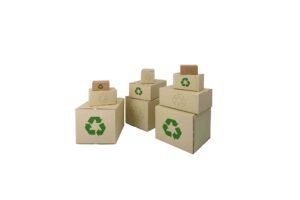
Using recyclable, biodegradable, or reusable packaging materials can help reduce waste and improve your company’s reputation. Sustainable packaging also provides an opportunity to communicate your environmental values directly to customers.
Fortunately, eco-friendly packaging options are becoming increasingly affordable and widely available. Small businesses can adopt sustainable practices without dramatically increasing their packaging budgets.
As consumer awareness continues to grow, sustainable packaging is likely to remain a key consideration for businesses seeking long-term success.
Testing Your Packaging Before Launch
Before placing a large production order, testing is essential. Packaging should be evaluated for durability, appearance, and functionality.
Shipping tests help determine whether products will remain protected throughout transit. Reviewing design proofs allows you to verify colors, text placement, and branding elements before production begins.
Testing minimizes the risk of costly errors and ensures that your packaging meets customer expectations from the start.
Buddy Packaging Co is a trusted provider of high-quality custom packaging solutions designed to help businesses enhance their brand presentation and product safety. From eco-friendly boxes to premium packaging designs, we deliver reliable and affordable services worldwide.
FAQs
How do I get custom packaging for my small business?
To get custom packaging for your small business, start by identifying your product requirements, creating a packaging design, selecting suitable materials, and partnering with a reputable packaging supplier that offers customization services.
What is the minimum order quantity for custom packaging?
Minimum order quantities vary by supplier. Many packaging companies now offer low minimums specifically designed for startups and small businesses.
How much does custom packaging cost for a small business?
Costs depend on packaging type, materials, printing complexity, and order volume. Simple custom packaging solutions can be surprisingly affordable for small businesses.
Can I design my own custom packaging?
Yes. Many suppliers allow businesses to upload their own artwork and designs. Some also provide design assistance to help create professional packaging.
What is the best material for custom packaging?
The best material depends on your product and brand goals. Corrugated cardboard, kraft paper, and rigid packaging are among the most commonly used options.
Is sustainable custom packaging worth the investment?
Yes. Sustainable packaging appeals to environmentally conscious consumers, supports brand reputation, and can help businesses meet growing market expectations regarding environmental responsibility.