Introduction
Businesses today compete not only through products but also through presentation. Packaging has become a powerful marketing tool that shapes customer opinions instantly. This is why many companies now invest in custom-made packaging solutions that reflect their brand identity. If you are wondering what is bespoke packaging, it simply refers to packaging designed specifically for a product, business, or customer experience.
Unlike standard packaging, bespoke packaging is unique. It matches a company’s branding, product dimensions, colors, and style preferences. This personalized approach helps brands stand out in crowded markets. Moreover, customers often associate premium packaging with premium quality.
What Is Bespoke Packaging and Why Does It Matter
Bespoke packaging is custom-designed packaging created specifically for a product or brand. The word “bespoke” means made to order. Therefore, bespoke packaging focuses on personalization rather than mass-produced standard boxes or containers. This packaging style includes tailored dimensions, unique graphics, premium materials, customized inserts, and brand-focused designs. Businesses use bespoke packaging to improve customer satisfaction and increase brand recognition.
Modern consumers value experiences. As a result, packaging now plays an important role in purchasing decisions. A beautifully designed package can instantly create excitement and trust. On the other hand, generic packaging often fails to leave a lasting impression.
How Bespoke Packaging Differs from Standard Packaging
Standard packaging is designed for general use. It usually follows fixed dimensions and simple designs. While it may reduce costs, it rarely provides uniqueness or branding opportunities. Bespoke packaging works differently. Every element is designed with purpose. Companies carefully choose colors, textures, printing styles, and materials that match their brand personality.
For example, luxury brands often use magnetic closures, embossed logos, and rigid boxes to create an upscale image. Food companies may use eco-friendly materials to attract environmentally conscious customers. Another major difference is product protection. Bespoke packaging fits products precisely. This reduces movement during shipping and minimizes damage risks. Standard packaging often leaves empty space that requires additional fillers.
The Growing Importance of Branding in Packaging
Branding has become essential in modern business marketing. Customers recognize brands through visual elements such as colors, logos, and packaging styles. Therefore, packaging now acts as a silent salesperson. When discussing what is bespoke packaging, branding is one of its most valuable benefits. Customized packaging allows businesses to showcase personality and values consistently across all products.
Strong packaging design improves customer recall. People are more likely to remember products that arrive in attractive and creative packaging. Social media has also increased the value of packaging because customers frequently share unboxing experiences online. This free exposure helps businesses gain visibility and attract new buyers. Consequently, bespoke packaging is no longer limited to luxury companies. Even small businesses now invest in personalized packaging to strengthen their market presence.
Materials Commonly Used in Bespoke Packaging
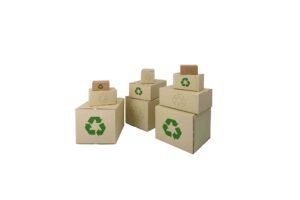
Bespoke packaging can be created using many different materials depending on the product and brand image. Cardboard remains one of the most common options because it is affordable, lightweight, and recyclable. Rigid boxes are popular among luxury brands due to their durability and premium appearance. Corrugated packaging is widely used for shipping because it provides excellent protection during transportation.
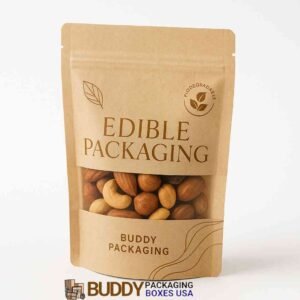
Many companies also use kraft paper packaging to support sustainability goals. Eco-friendly materials have become increasingly important because consumers prefer environmentally responsible brands. Plastic alternatives are also gaining popularity. Businesses are now experimenting with biodegradable and edible materials to reduce environmental impact. Sustainable packaging solutions improve customer trust while supporting long-term environmental goals.
Benefits of Bespoke Packaging for Businesses
One of the biggest advantages of bespoke packaging is improved brand recognition. Customers quickly identify products with unique packaging designs. This strengthens brand awareness and encourages repeat purchases. Another benefit is enhanced customer experience. Attractive packaging creates excitement and anticipation during unboxing. This emotional connection often increases customer loyalty.
Bespoke packaging also improves product safety. Custom inserts and tailored dimensions reduce damage during shipping. As a result, businesses experience fewer returns and complaints. Additionally, bespoke packaging supports marketing efforts. Printed logos, brand messages, and creative visuals turn every package into a promotional tool. Sustainability is another major advantage. Companies can choose recyclable or biodegradable materials that align with modern environmental expectations.
Industries That Commonly Use Bespoke Packaging
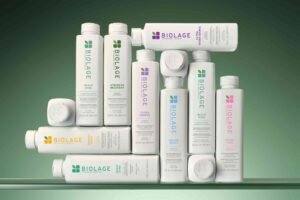
Many industries rely heavily on bespoke packaging to improve customer perception and product value. Luxury fashion brands frequently use premium packaging to reinforce exclusivity and elegance. Cosmetic companies also invest heavily in custom packaging because appearance strongly influences purchasing decisions. Beautiful packaging increases perceived product quality.
Food and beverage businesses use bespoke packaging to protect freshness while improving presentation. Premium drink brands often create elegant packaging for gift purposes and celebrations. Electronics brands use custom inserts and protective materials to secure delicate products during transportation.
How Bespoke Packaging Improves Customer Experience
Customer experience has become a key factor in business success. Packaging contributes significantly to that experience because it creates the first physical interaction between customers and products. When customers receive beautifully designed packaging, they feel valued. This positive impression increases satisfaction and trust.
Packaging also influences perceived value. Products packaged professionally often appear more expensive and higher in quality. Unboxing experiences have become especially important in eCommerce. Customers enjoy opening packages that feel thoughtful and visually appealing. Many even share these experiences on social media platforms. Simple additions like thank-you cards, branded tissue paper, and customized inserts make customers feel connected to the brand.
The Role of Sustainability in Bespoke Packaging
Sustainability is shaping the future of packaging. Consumers increasingly prefer brands that reduce waste and support environmental responsibility. This trend has influenced bespoke packaging design significantly. Businesses now prioritize recyclable, compostable, and biodegradable materials.
Minimalist packaging designs are also becoming more common because they reduce material usage while maintaining visual appeal. Some brands even use reusable packaging concepts to encourage sustainability. Others explore innovative solutions such as edible or dissolvable materials. Eco-friendly bespoke packaging benefits businesses in several ways. It strengthens brand reputation, attracts environmentally conscious customers, and supports global sustainability goals. Moreover, sustainable packaging can reduce long-term costs through efficient material usage and lighter shipping weights.
How to Design Effective Bespoke Packaging
Creating effective bespoke packaging requires strategic planning. Businesses must first understand their target audience and product requirements. Packaging should reflect brand identity consistently. Colors, typography, and design elements must align with the company image.
Functionality is equally important. Packaging should protect products while remaining easy to open and store. Material selection also plays a major role. Businesses should choose materials that balance aesthetics, durability, and sustainability. Printing quality matters because poor visuals can damage brand perception. High-resolution graphics and professional finishing techniques improve overall appearance. Finally, businesses should test packaging before mass production. This helps identify design flaws and ensures customer satisfaction.
Challenges Businesses Face with Bespoke Packaging
Although bespoke packaging offers many advantages, businesses may face certain challenges during implementation. One common issue is higher initial cost. Custom packaging often requires specialized printing, materials, and design work. However, many businesses consider this an investment rather than an expense.
Production time can also be longer compared to edible packaging standard packaging solutions. Custom designs require planning, prototyping, and testing before manufacturing begins. Storage can become another challenge if businesses order large quantities of custom packaging. Despite these concerns, the long-term branding and marketing benefits usually outweigh the drawbacks.
Future Trends in Bespoke Packaging
Technology continues to influence packaging innovation. Smart packaging features such as QR codes and NFC technology are becoming more common. Personalization is also increasing. Brands now create limited-edition packaging and customized messages for individual champagne flute box customers. Sustainability will remain a major trend in coming years. Businesses are expected to adopt more environmentally friendly packaging materials and production methods.
Conclusion
Understanding what is bespoke packaging helps businesses recognize its importance in modern marketing and customer experience. Bespoke packaging is more than a container. It represents brand identity, product quality, and customer care. From improving brand recognition to supporting sustainability goals, custom packaging offers countless advantages for businesses across industries. It creates memorable unboxing experiences, protects products effectively, and strengthens customer loyalty.
The packaging and containers industry offers a wide range of career opportunities across manufacturing, logistics, design, and distribution. Many people search for information about how many jobs are available in containers packaging because this sector continues to grow with global trade and e-commerce demand. From warehouse staff to packaging engineers, the field provides stable employment and long-term career potential.
FAQs
What is bespoke packaging used for?
Bespoke packaging is used to create customized packaging solutions that match a brand’s identity, improve product protection, and enhance customer experience.
Why is bespoke packaging important?
It helps businesses stand out in competitive markets, strengthens branding, and creates memorable unboxing experiences for customers.
Is bespoke packaging expensive?
Custom packaging can cost more initially, but it often improves customer loyalty and marketing performance, making it a valuable long-term investment.
Can bespoke packaging be eco-friendly?
Yes, many businesses use recyclable, biodegradable, and sustainable materials for bespoke packaging to reduce environmental impact.
Which industries use bespoke packaging the most?
Luxury retail, cosmetics, food, electronics, jewelry, and eCommerce industries commonly use bespoke packaging to improve presentation and branding.