Introduction
Primary packaging is the first layer of packaging that directly holds and protects a product. It is the packaging customers interact with when they buy or use an item. This type of packaging is essential because it keeps products safe, fresh, and easy to use. From food containers to cosmetic bottles, primary packaging plays a major role in modern industries.
Businesses rely on primary packaging to improve product presentation and customer satisfaction. In many industries, packaging is not only about protection. It also supports branding, transportation, and convenience. Companies invest heavily in creative and durable packaging because it affects purchasing decisions.
What Is Primary Packaging and Why Is It Important
Primary packaging serves as the first protective barrier around a product. Its main purpose is to preserve product quality and prevent damage. However, its role extends far beyond protection. Good packaging improves shelf appeal and creates a positive first impression. Customers often judge product quality based on packaging design. Therefore, brands focus on attractive materials, colors, and functionality.
Additionally, primary packaging provides product information. Labels often include ingredients, instructions, warnings, and expiration dates. This information helps consumers make informed decisions. Many modern brands also focus on sustainable packaging solutions. Eco-friendly packaging materials help reduce environmental impact while improving brand reputation.
Common Types of Primary Packaging
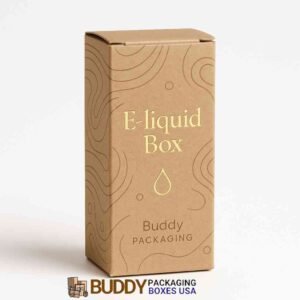
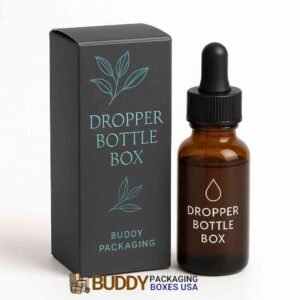
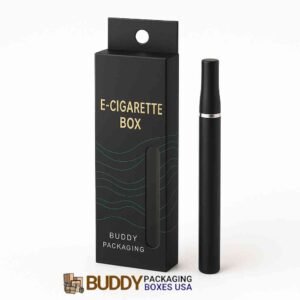
There are several forms of primary packaging used across industries. Each type serves a different purpose depending on the product. Bottles are among the most common packaging types. They are widely used for beverages, cosmetics, oils, and medicines. Plastic and glass bottles offer strong protection and convenience. Boxes are another popular option. Luxury brands often use premium packaging to enhance customer experience. For example, businesses selling fragile drinkware often use champagne flute box solutions to ensure safe delivery and elegant presentation.
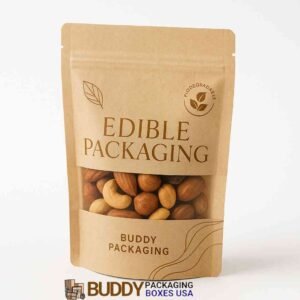
Flexible packaging is also becoming more popular. Pouches, sachets, and wraps are lightweight and cost-effective. Food companies frequently use them for snacks and frozen products. Blister packs are common in pharmaceutical products. They protect tablets and capsules from moisture and contamination.
Materials Used in Primary Packaging
Glass packaging is preferred for premium and sensitive products. It offers excellent protection and gives products a high-end appearance. Many perfume and beverage brands choose glass because it preserves quality. Paper and cardboard packaging are increasingly popular because they are eco-friendly. Many companies now use recyclable paper materials to reduce waste.
Metal packaging is highly durable and suitable for canned foods and beverages. It protects products from light, moisture, and air exposure. Biodegradable materials are also growing in demand. Businesses now seek sustainable solutions that reduce environmental damage while meeting customer expectations.
The Role of Primary Packaging in Branding
Branding is one of the biggest reasons companies invest in packaging design. Primary packaging directly influences how consumers perceive a product. Unique packaging helps products stand out on store shelves. Customers are naturally attracted to appealing designs, colors, and shapes. As competition increases, packaging becomes a critical marketing tool. Packaging also communicates brand identity. Luxury brands often use elegant materials and premium finishes. Eco-conscious brands prefer minimal and recyclable packaging styles.
High-quality packaging improves customer trust. Consumers associate durable and attractive packaging with product reliability. This connection often increases repeat purchases. In addition, packaging enhances the unboxing experience. Social media trends have made creative packaging even more important. Many customers share visually appealing packaging online, giving brands free promotion.
How Primary Packaging Protects Products
Protection is the core function of primary packaging. Products face many risks during storage and transportation. Proper packaging reduces these risks significantly. Primary packaging protects products from dust, moisture, bacteria, and physical damage. Food packaging keeps products fresh and safe for consumption. Pharmaceutical packaging prevents contamination and ensures proper dosage storage. Fragile items require extra protection to avoid breakage. Many businesses use reinforced designs and inserts to secure delicate products during shipping.
Temperature-sensitive products also depend on effective packaging. Certain medicines and foods require packaging that controls exposure to heat or sunlight. Tamper-evident packaging improves safety further. Customers can quickly identify whether a product has been opened or altered before purchase.
Primary Packaging vs Secondary Packaging
Understanding the difference between primary and secondary packaging is essential. Although both are important, they serve different functions. Primary packaging directly contains the product. Examples include bottles, jars, wrappers, and tubes. Secondary packaging groups primary packages together for easier transportation and display. Shipping cartons and retail display boxes are examples of secondary packaging.
For instance, beverage brands may place multiple bottles inside larger custom bottle boxes for storage and shipping purposes. These outer boxes improve organization and protect products during delivery. Secondary packaging often focuses on logistics and branding at a larger scale. Meanwhile, primary packaging focuses more on product protection and customer interaction.
Industries That Depend on Primary Packaging
The pharmaceutical industry depends heavily on safety-focused packaging. Child-resistant caps and sealed blister packs help ensure consumer safety. Cosmetic brands use attractive packaging to enhance luxury appeal. Bottles, jars, and compact containers are carefully designed to attract buyers.
E-commerce businesses also require strong packaging solutions. As online shopping grows, brands must ensure products arrive safely and in perfect condition. Electronics companies use protective packaging to prevent damage from impact and static electricity. Proper cushioning materials are essential for fragile devices.
Sustainable Trends in Primary Packaging
Sustainability is now a major concern in the packaging industry. Consumers increasingly prefer brands that use environmentally friendly packaging. Many companies are reducing plastic usage and switching to recyclable materials. Paper-based packaging and biodegradable plastics are becoming more common. Minimalist packaging designs are also gaining popularity. Using fewer materials helps reduce waste and shipping costs. Reusable packaging is another growing trend. Some brands encourage customers to refill containers instead of discarding them.
Governments worldwide are also introducing stricter environmental regulations. Businesses that adopt sustainable packaging early often gain a competitive advantage. Innovation continues to shape eco-friendly packaging solutions. Researchers are developing compostable materials and plant-based plastics to improve sustainability further.
Challenges in Primary Packaging
Despite its benefits, primary packaging comes with several challenges. Businesses must balance cost, functionality, and sustainability. High-quality materials can increase production expenses. Companies often struggle to maintain affordability while improving packaging standards. Environmental concerns are another challenge. Excessive packaging waste can damage brand reputation and lead to regulatory issues. Transportation and storage also affect packaging decisions. Packaging must remain durable while minimizing shipping costs.
Consumer expectations continue to rise as well. Customers want attractive, easy-to-use, and sustainable packaging all at once. Technological advancements are helping solve many of these issues. Smart packaging and innovative materials are creating new opportunities for brands worldwide.
The Future of Primary Packaging
The future of primary packaging looks highly innovative and customer-focused. Technology and sustainability will continue driving major changes. Smart packaging is becoming increasingly popular. QR codes, freshness indicators, and interactive labels improve customer engagement and product transparency. Eco-friendly solutions will likely dominate future packaging trends. Businesses are investing heavily in renewable and biodegradable materials. Customization is another important trend. Personalized packaging experiences help brands build stronger customer relationships.
Building a strong agency brand starts with smart presentation and clear service structure. Learning how to make your SMMA packaging helps you attract clients, explain your offers professionally, and stand out in a competitive market. From pricing plans to service bundles, good packaging improves trust and increases conversion opportunities for long-term business growth.
FAQs
What is primary packaging used for?
Primary packaging is used to contain, protect, and preserve products. It also improves branding and customer convenience.
What are examples of primary packaging?
Examples include bottles, cans, jars, wrappers, tubes, and blister packs.
What is the difference between primary and secondary packaging?
Primary packaging directly touches the product, while secondary packaging groups products for transport and storage.
Why is primary packaging important in food products?
It keeps food fresh, prevents contamination, and extends shelf life.
What materials are commonly used in primary packaging?
Common materials include plastic, glass, paper, cardboard, and metal.
Is sustainable primary packaging possible?
Yes, many companies now use recyclable, biodegradable, and reusable packaging materials.
Conclusion
Understanding what is primary packaging is essential for businesses and consumers alike. It plays a critical role in product safety, branding, transportation, and customer satisfaction. From preserving freshness to improving shelf appeal, primary packaging directly influences product success.
As industries continue evolving, packaging solutions will become more innovative and sustainable. Businesses that invest in high-quality packaging can improve customer trust and stand out in competitive markets.