Introduction
Packaging plays a major role in modern life. From food containers to shipping materials, nearly every product comes wrapped in some form of packaging. While packaging protects products and improves convenience, it also creates a huge amount of waste. This is why many consumers and businesses now ask an important question: what packaging can be recycled?
Understanding recyclable packaging is essential for reducing landfill waste, conserving resources, and supporting a cleaner environment. Many people assume all packaging can go into a recycling bin, but the reality is more complicated. Some materials are widely recyclable, while others require special handling or cannot be recycled at all.
This guide explains what packaging can be recycled, how recycling systems work, and how businesses can choose eco-friendly packaging solutions without sacrificing quality or branding.
Why Recycling Packaging Matters
Packaging waste continues to grow worldwide due to online shopping, food delivery services, and increased consumer demand. Recycling helps reduce the pressure on landfills and lowers the need for raw materials.
When packaging materials are recycled correctly, they can be transformed into new products instead of becoming environmental pollution. Recycling also reduces energy consumption and greenhouse gas emissions associated with manufacturing new materials from scratch.
Businesses that prioritize recyclable packaging often gain trust from environmentally conscious customers. Consumers increasingly prefer brands that demonstrate sustainable practices through responsible packaging choices.
What Packaging Can Be Recycled in Most Areas
Many common packaging materials can be recycled through local recycling programs. However, recycling rules vary by region, so it is always important to check local guidelines.
Cardboard Packaging
Cardboard is one of the most widely recycled packaging materials in the world. Shipping boxes, cereal boxes, and product cartons are usually accepted by curbside recycling programs.
Clean and dry cardboard can easily be processed into new paper products. Corrugated cardboard is especially valuable because it contains strong fibers that can be reused multiple times.
Businesses that ship products often rely on recyclable cardboard solutions because they balance durability with sustainability. Product packaging like the baseball cap box offers protective packaging while using materials that can be recycled after use.
Paper Packaging
Paper packaging is generally recyclable if it is not heavily contaminated with food, grease, or wax coatings. Items such as paper bags, wrapping paper, and paper sleeves are commonly recyclable.
However, glossy or laminated paper may not always be accepted because special coatings can interfere with recycling processes.
Consumers should flatten paper packaging before recycling to save space and improve sorting efficiency.
Plastic Packaging
Plastic packaging can sometimes be recycled, but it depends heavily on the type of plastic used. Packaging often includes a recycling number that identifies the material.
PET plastic, commonly used for beverage bottles, is widely recyclable. HDPE plastic, used for detergent containers and milk jugs, is also accepted in most recycling programs.
Soft plastics like plastic film, grocery bags, and bubble wrap are more difficult to recycle through curbside systems. These materials often require drop-off recycling programs.
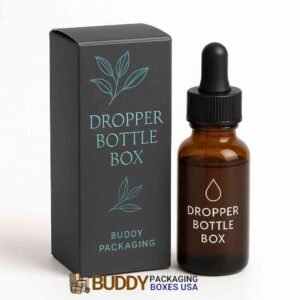
Businesses increasingly use recyclable plastic packaging to reduce waste while maintaining product safety. Packaging solutions such as custom 10ml bottle boxes can help brands protect products while supporting sustainable packaging practices.
Glass Packaging
Glass is fully recyclable and can be reused repeatedly without losing quality. Glass bottles and jars are accepted in most municipal recycling programs.
Clear, green, and brown glass are often separated during recycling because different colors require different processing methods.
Before recycling glass packaging, consumers should rinse containers and remove lids if local programs require separation.
Metal Packaging
Aluminum and steel packaging are highly recyclable materials. Beverage cans, food tins, and metal lids can usually be recycled indefinitely.
Aluminum is especially valuable because recycling it uses significantly less energy compared to producing new aluminum from raw materials.
Clean metal packaging is more likely to be successfully recycled. Food residue can contaminate recycling streams and reduce efficiency.
Packaging Materials That Are Hard to Recycle
Although many packaging materials are technically recyclable, some are difficult for recycling facilities to process economically.
Mixed Material Packaging
Packaging made from multiple materials can create recycling challenges. Examples include chip bags, juice cartons, and pouches with plastic and aluminum layers combined together.
These materials require specialized recycling equipment that is not available in many local facilities.
Foam Packaging
Expanded polystyrene foam, commonly called Styrofoam, is difficult to recycle because it is lightweight and expensive to transport.
Many curbside recycling programs do not accept foam packaging. Some specialized drop-off programs exist, but availability remains limited.
Plastic Film and Wrappers
Thin plastic films often jam recycling machinery and contaminate other recyclable materials. Snack wrappers, cling film, and plastic mailers frequently end up in landfills.
Some grocery stores offer collection bins specifically for plastic bags and films, helping reduce contamination in regular recycling systems.
Food-Contaminated Packaging
Pizza boxes soaked with grease or containers covered in food residue may not be recyclable. Contamination lowers the quality of recyclable materials and can ruin entire batches.
Rinsing containers before disposal helps improve recycling success rates.
How to Identify Recyclable Packaging
Understanding recycling symbols can help consumers make better decisions when disposing of packaging.
The chasing arrows symbol usually indicates recyclable material, but it does not guarantee acceptance in every local program.
Plastic packaging often includes a resin identification number ranging from 1 to 7. Lower numbers like 1 and 2 are generally easier to recycle than higher-number plastics.
Consumers should also pay attention to labels such as “widely recyclable,” “check locally,” or “store drop-off only.”
Businesses can improve customer awareness by clearly labeling recyclable packaging and providing disposal instructions.
The Importance of Sustainable Packaging Design
Sustainable packaging goes beyond recyclability. It also focuses on reducing material usage, improving efficiency, and minimizing environmental impact throughout the product lifecycle.
Brands today are moving toward minimalist packaging designs that use fewer materials without compromising protection.
Packaging manufacturers also explore biodegradable materials, compostable alternatives, and recycled content to reduce environmental impact.
Using sustainable packaging can improve a company’s reputation and strengthen customer loyalty. Consumers are more likely to support businesses that prioritize environmental responsibility.
How Businesses Benefit from Recyclable Packaging
Recyclable packaging is no longer just an environmental concern. It has become a major business advantage.
Customers increasingly research packaging sustainability before making purchases. Companies that use eco-friendly materials often stand out in competitive markets.
Sustainable packaging can also reduce shipping costs by lowering package weight and material usage.
Many governments now encourage recycling initiatives and may introduce stricter regulations on packaging waste. Businesses adopting recyclable packaging early can stay ahead of future compliance requirements.
In addition, recyclable packaging often improves brand storytelling. Companies can communicate environmental values directly through their packaging choices.
Tips for Recycling Packaging Correctly
Recycling works best when consumers follow proper disposal practices. Small mistakes can contaminate recycling streams and reduce efficiency.
Always empty and rinse containers before placing them in recycling bins. Flatten cardboard boxes to save space during transportation and sorting.
Avoid placing non-recyclable materials in recycling bins. Wish-cycling, where people throw questionable items into recycling hoping they are recyclable, often causes contamination problems.
Separate materials if required by local recycling guidelines. Some programs use single-stream recycling, while others require sorting by material type.
Checking local recycling rules regularly is important because recycling programs can change over time.
Future Trends in Recyclable Packaging
The packaging industry continues evolving toward more sustainable solutions. Innovations in recyclable materials and eco-friendly designs are growing rapidly.
Many brands are replacing hard-to-recycle plastics with paper-based alternatives or mono-material packaging that is easier to process.
Advanced recycling technologies are also improving the ability to recycle difficult materials such as flexible plastics.
Consumers are becoming more aware of environmental issues, pushing businesses to invest in greener packaging strategies.
Governments worldwide are also introducing policies that encourage recyclable packaging and reduce single-use waste.
How Consumers Can Support Better Packaging Practices
Consumers play an important role in improving recycling systems. Buying products with recyclable packaging sends a strong message to manufacturers and retailers.
Supporting brands that prioritize sustainable packaging encourages wider industry adoption of environmentally friendly practices.
Reducing unnecessary packaging consumption is equally important. Reusable bags, refillable containers, and bulk purchasing can help minimize waste generation.
Here’s a short English paragraph around 400 characters for your blog backlink insertion:
Packaging plays a major role in modern branding and product safety. Businesses today prefer sustainable, stylish, and durable packaging solutions to improve customer experience and brand identity. Companies like buddypackagingco provide innovative packaging options designed for different industries, helping brands stand out with quality, creativity, and eco-friendly materials.
FAQs
What packaging materials are most recyclable?
Cardboard, paper, aluminum, steel, glass, and certain plastics like PET and HDPE are among the most recyclable packaging materials.
Can all plastic packaging be recycled?
No. Some plastics are widely recyclable, while others such as plastic film and multi-layer packaging are difficult to process through standard recycling programs.
Why is food-contaminated packaging hard to recycle?
Food residue contaminates recyclable materials and reduces the quality of recycled products, making processing more difficult.
How do I know if packaging is recyclable?
Look for recycling symbols, resin identification numbers, and disposal instructions on the packaging. Local recycling guidelines also help determine acceptance.
Is cardboard packaging always recyclable?
Most clean and dry cardboard is recyclable. However, heavily waxed or food-soiled cardboard may not be accepted.
What is sustainable packaging?
Sustainable packaging minimizes environmental impact by using recyclable, reusable, biodegradable, or responsibly sourced materials.
Why do businesses use recyclable packaging?
Businesses use recyclable packaging to reduce waste, meet customer expectations, improve brand reputation, and comply with environmental regulations.