What Is Compostable Packaging
Modern businesses are changing how products are packed and delivered. Customers now prefer sustainable solutions that reduce waste and protect the environment. This shift has increased interest in understanding what is compostable packaging and why it matters for the future.
Compostable packaging is designed to break down naturally into organic matter. Unlike traditional plastic, it does not leave harmful waste behind. Instead, it decomposes into nutrient-rich material under the right composting conditions. As environmental concerns continue to grow, more brands are investing in sustainable packaging alternatives.
Understanding what is compostable packaging helps consumers make informed choices. It also allows businesses to meet modern environmental standards and customer expectations.
Understanding What Is Compostable Packaging
To understand what is compostable packaging, it is important to know how it differs from ordinary recyclable or biodegradable materials. Compostable packaging is made from natural substances that fully decompose into water, carbon dioxide, and biomass. This process happens without leaving toxic residue behind.
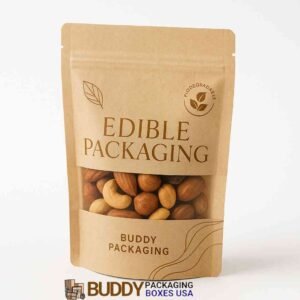
Most compostable packaging materials come from renewable resources. Common examples include cornstarch, sugarcane fiber, bamboo, cellulose, and kraft paper. These materials naturally return to the earth after disposal when placed in industrial or home composting environments.
Traditional plastic may take hundreds of years to decompose. In contrast, compostable packaging breaks down within months under proper conditions. This makes it one of the most environmentally responsible packaging solutions available today.
The growing demand for sustainable living has increased awareness around what is compostable packaging. Many governments and environmental organizations also encourage businesses to reduce plastic usage and switch to eco-friendly alternatives.
How Compostable Packaging Works
Compostable packaging works through a natural decomposition process. Microorganisms such as bacteria and fungi break down organic materials into compost. This process requires oxygen, moisture, and controlled temperature levels.
Industrial composting facilities speed up decomposition by maintaining ideal environmental conditions. Some compostable materials can also decompose in home compost bins, although the process may take longer.
The key feature of compostable packaging is its ability to return safely to nature. Instead of polluting oceans or landfills, it becomes part of a healthy environmental cycle.
Businesses often use compostable mailers, food containers, paper wraps, trays, and shopping bags. These products provide functionality while supporting waste reduction efforts.
Understanding what is compostable packaging also means recognizing the certifications involved. Labels such as ASTM D6400 or EN 13432 confirm that packaging meets official compostability standards.
Why Businesses Are Switching to Compostable Packaging
Many companies are changing their packaging strategies due to rising environmental awareness. Customers now prefer brands that demonstrate responsibility toward the planet.
Businesses adopting compostable packaging often improve their brand reputation. Eco-conscious consumers are more likely to support companies with sustainable practices. This creates stronger customer loyalty and long-term trust.
Governments worldwide are also introducing restrictions on single-use plastics. Compostable alternatives help companies comply with changing environmental regulations.
Cost savings can also become possible over time. Although some compostable materials currently cost more than plastic, increasing demand and production efficiency continue to reduce prices.
Another major advantage is market differentiation. Sustainable packaging allows businesses to stand out in competitive industries. Premium presentation combined with eco-friendly materials creates a positive customer experience.
As awareness grows, more people search online for what is compostable packaging before making purchasing decisions. Businesses that address this concern can gain a competitive advantage.
Common Materials Used in Compostable Packaging
Several natural materials are commonly used in compostable packaging production. Each material offers unique benefits depending on the product type and industry needs.
Cornstarch is one of the most widely used materials. It can be transformed into flexible packaging films and containers. Sugarcane fiber is another popular option because it is durable, lightweight, and renewable.
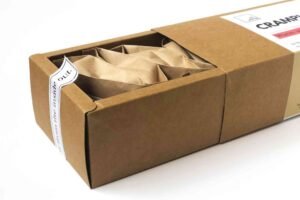
Bamboo is valued for its fast growth and strength. Many food containers and utensils use bamboo-based materials. Kraft paper is also highly popular because it is recyclable, compostable, and visually appealing.
Cellulose films derived from plants provide transparent packaging alternatives. These films are commonly used for snacks, bakery items, and retail packaging.
Natural fibers and biodegradable coatings also improve the performance of compostable packaging. Many brands now combine sustainability with attractive designs to create premium packaging experiences.
Understanding what is compostable packaging includes recognizing how these renewable materials reduce environmental impact compared to petroleum-based plastics.
Compostable Packaging vs Biodegradable Packaging
People often confuse compostable and biodegradable packaging. However, they are not exactly the same.
Biodegradable materials break down naturally over time, but the process can vary greatly. Some biodegradable plastics still leave harmful residues or microplastics behind.
Compostable packaging follows stricter environmental standards. coin packaging It must decompose completely into natural elements without toxic leftovers. This makes compostable products safer for soil and ecosystems.
Another important difference involves timing. Certified compostable materials usually break down within a specific period under composting conditions. Biodegradable materials may take much longer.
Businesses and consumers should understand these distinctions before selecting packaging solutions. Knowing what is compostable packaging helps avoid misleading environmental claims.
Benefits of Compostable Packaging
Compostable packaging offers several environmental and business advantages. One major benefit is waste reduction. Compostable materials help decrease landfill accumulation and plastic pollution.
These materials also reduce dependence on fossil fuels. Since most compostable packaging comes from renewable resources, it supports sustainable manufacturing practices.
Soil enrichment is another important advantage. When composted correctly, the packaging turns into nutrient-rich organic matter that benefits agriculture and gardening.
Businesses also gain marketing advantages through sustainable branding. Customers increasingly appreciate environmentally responsible companies.
In addition, compostable packaging can improve public perception and strengthen customer relationships. Eco-friendly values now influence purchasing decisions more than ever before.
Understanding what is compostable packaging allows businesses to align with future sustainability trends while meeting customer expectations.
Challenges of Compostable Packaging
Despite its advantages, compostable packaging still faces certain challenges. One major issue is limited composting infrastructure. Many regions lack industrial composting facilities needed for proper disposal.
Consumer confusion also creates problems. Some people mistakenly place compostable materials in recycling bins, which can disrupt recycling systems.
Costs may also remain higher than traditional plastic packaging for some businesses. cigarette boxes However, prices continue to improve as technology advances and demand increases.
Storage conditions can affect compostable materials as well. Excess moisture or heat may reduce product durability before use.
Education remains essential for improving adoption rates. Consumers and businesses both need clearer guidance about what is compostable packaging and how to dispose of it correctly.
Industries Using Compostable Packaging
Many industries now use compostable packaging solutions to reduce environmental impact. The food and beverage industry leads this transition because disposable containers create significant waste.
Restaurants frequently use compostable cups, trays, and takeaway containers. Retail businesses also use compostable shopping bags and wrapping materials.
The cosmetics industry increasingly adopts eco-friendly packaging to attract environmentally conscious customers. Fashion and eCommerce brands are also shifting toward sustainable shipping materials.
Luxury packaging manufacturers now combine visual appeal with sustainability. High-end product presentation no longer depends on environmentally harmful materials.
As customer expectations evolve, businesses across multiple industries continue exploring what is compostable packaging and how it supports modern sustainability goals.
The Future of Compostable Packaging
The future of compostable packaging looks promising. Technological advancements continue improving material strength, flexibility, and affordability.
Governments worldwide are introducing stricter environmental policies that encourage sustainable alternatives. Consumer demand for eco-friendly packaging is also expected to grow rapidly.
Innovative materials made from seaweed, mushroom fibers, and agricultural waste are already entering the market. These developments may further reduce environmental impact in the coming years.
Businesses that invest early in sustainable packaging can position themselves as industry leaders. Environmental responsibility is no longer optional for many consumers.
Understanding what is compostable packaging will become increasingly important as sustainability continues shaping global industries.
buddypackagingco.com is a reliable platform offering high-quality packaging solutions for various industries. From custom boxes to eco-friendly materials, it provides durable and affordable options. The website ensures fast service, modern designs, and customer satisfaction, making it a trusted choice for businesses looking for professional packaging services online.
FAQ
What Is Compostable Packaging Made From
Compostable packaging is usually made from renewable materials such as cornstarch, sugarcane fiber, bamboo, cellulose, and kraft paper. These materials naturally break down into organic matter.
Is Compostable Packaging Better Than Plastic
Yes, compostable packaging is generally better for the environment than traditional plastic. It reduces landfill waste and avoids harmful microplastic pollution.
Can Compostable Packaging Go in Recycling Bins
Most compostable packaging should not go into regular recycling bins. It belongs in composting systems designed for organic waste processing.
How Long Does Compostable Packaging Take to Break Down
The decomposition time depends on the material and composting conditions. Most certified compostable packaging breaks down within several months.
Is Compostable Packaging Expensive
Compostable packaging can cost more than plastic, but prices continue decreasing as demand and production increase worldwide.
Conclusion
Understanding what is compostable packaging is essential in today’s environmentally conscious world. Compostable materials offer a practical solution for reducing plastic waste and protecting natural ecosystems.
Businesses adopting sustainable packaging can improve customer trust, strengthen brand identity, and support long-term environmental goals. Consumers also benefit by making more responsible purchasing choices.
As technology advances and awareness grows, compostable packaging will likely become a standard across many industries. Companies that embrace sustainability today will remain competitive in the future.
If you want your brand to stand out while supporting eco-friendly practices, now is the perfect time to explore compostable packaging solutions for your products and business operations.