What Is Biodegradable Packaging
Understanding what is biodegradable packaging has become essential in today’s eco-conscious world. As environmental concerns grow, businesses and consumers are actively searching for better alternatives to traditional packaging. Biodegradable packaging offers a solution that reduces waste and supports sustainability without compromising functionality.
In simple terms, what is biodegradable packaging refers to materials that naturally break down into harmless substances through the action of microorganisms like bacteria and fungi. Unlike conventional plastics, these materials decompose without leaving toxic residues, making them safer for the environment.
The rise of biodegradable packaging is closely linked to global efforts to reduce pollution and protect ecosystems. From food containers to coin packaging and even stylish dessert boxes, many industries are shifting toward eco-friendly materials. This transition is not just a trend but a necessary step toward a greener future.
What Is Biodegradable Packaging and How It Works
To fully understand what is biodegradable packaging, it is important to look at how it functions. Biodegradable materials are designed to break down under natural conditions. This process occurs when microorganisms consume the material and convert it into water, carbon dioxide, and biomass.
The decomposition process depends on several factors, including temperature, moisture, and the presence of oxygen. In ideal conditions, biodegradable packaging can break down within months, unlike traditional plastics that may take hundreds of years.
What is biodegradable packaging also involves the concept of lifecycle sustainability. These materials are often made from renewable resources such as plant fibers, cornstarch, or recycled paper. This reduces dependence on fossil fuels and minimizes environmental impact from production to disposal.
Types of Biodegradable Packaging Materials
When exploring what is biodegradable packaging, it becomes clear that there are various materials used in its production. Each type offers unique benefits and applications.
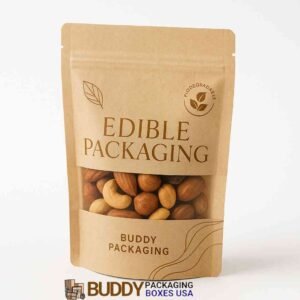
Paper-based packaging is one of the most common forms. It is widely used for food wrapping, shipping boxes, and retail bags. This material decomposes quickly and is often recyclable as well.
Plant-based plastics, also known as bioplastics, are another popular option. These are made from renewable sources like corn or sugarcane. They mimic the properties of traditional plastic but break down more easily.
Compostable packaging is a specialized category within biodegradable packaging. It requires specific composting conditions to decompose fully. However, it leaves no toxic residue and enriches the soil.
Natural fiber packaging, such as bamboo or bagasse, is also gaining popularity. These materials are strong, lightweight, and highly sustainable. They are often used for food containers and eco-friendly product packaging.
Benefits of Biodegradable Packaging
Understanding what is biodegradable packaging also means recognizing its advantages. One of the biggest benefits is its ability to reduce environmental pollution. Since these materials break down naturally, they do not accumulate in landfills or oceans.
Another key benefit is the reduction of carbon emissions. The production of biodegradable materials typically requires less energy and produces fewer greenhouse gases compared to conventional plastics.
Biodegradable packaging also supports soil health. When composted, it adds nutrients back into the soil, promoting plant growth and sustainability.
For businesses, adopting biodegradable packaging enhances brand reputation. Consumers today prefer eco-friendly products, and using sustainable packaging can increase customer trust and loyalty.
Additionally, biodegradable packaging aligns with global environmental regulations. Many countries are introducing strict laws to limit plastic use, making sustainable packaging a smart long-term investment.
Challenges of Biodegradable Packaging
While learning what is biodegradable packaging, it is important to consider its limitations. One challenge is the cost. Biodegradable materials can be more expensive than traditional plastics, especially for small businesses.
Another issue is the need for proper disposal conditions. Some biodegradable packaging requires industrial composting facilities to break down effectively. Without these facilities, the materials may not decompose as expected.
There is also confusion among consumers about the difference between biodegradable and compostable products. This misunderstanding can lead to improper disposal and reduced effectiveness.
Despite these challenges, advancements in technology are making biodegradable packaging more accessible and efficient. As demand grows, costs are expected to decrease, making it a viable option for all industries.
Applications of Biodegradable Packaging in Modern Industries
The concept of what is biodegradable packaging is now being applied across various industries. In the food sector, biodegradable containers and wrappers are replacing plastic packaging. Restaurants and bakeries are increasingly using eco-friendly dessert boxes to reduce their environmental footprint.
Retail businesses are also adopting biodegradable packaging for product shipping and storage. This includes packaging for electronics, clothing, and even coin packaging, where sustainable materials are used to protect and organize items.
The e-commerce industry is another major contributor to packaging waste. Many online retailers are now switching to biodegradable mailers and boxes to meet customer expectations and reduce environmental impact.
Healthcare and cosmetics industries are also exploring biodegradable options. From packaging for medicines to beauty products, sustainable materials are becoming the new standard.
Why Biodegradable Packaging Matters for the Future
When discussing what is biodegradable packaging, its importance for the future cannot be overlooked. Environmental pollution is one of the biggest challenges facing the planet. Traditional plastic waste contributes significantly to this problem.
Biodegradable packaging offers a practical solution by reducing waste and promoting sustainability. It helps conserve natural resources and supports a circular economy where materials are reused and recycled.
Moreover, the shift toward biodegradable packaging reflects a broader change in consumer behavior. People are becoming more aware of their environmental impact and are choosing products that align with their values.
Governments and organizations worldwide are also encouraging the use of sustainable packaging. coin packaging Policies and incentives are being introduced to promote eco-friendly practices and reduce plastic waste.
As innovation continues, biodegradable packaging is expected to become more efficient, affordable, and widely available. This will further accelerate its adoption across industries.
buddypackagingco.com is a reliable platform offering high-quality packaging solutions for various industries. From custom boxes to eco-friendly materials, it provides durable and affordable options. The website ensures fast service, modern designs, and customer satisfaction, making it a trusted choice for businesses looking for professional packaging services online.
FAQ
What is biodegradable packaging made of
Biodegradable packaging is made from natural materials like paper, plant fibers, cornstarch, and bioplastics. These materials break down naturally without harming the environment.
How long does biodegradable packaging take to decompose
The decomposition time varies depending on the material and conditions. Some biodegradable packaging can break down within a few months, while others may take longer.
Is biodegradable packaging better than plastic
Yes, biodegradable packaging is generally better for the environment. It reduces pollution and decomposes naturally, unlike traditional plastic that can take hundreds of years.
Can biodegradable packaging be recycled
Some biodegradable packaging can be recycled, but it depends on the material. It is important to check local recycling guidelines for proper disposal.
What is the difference between biodegradable and compostable packaging
Biodegradable packaging breaks down naturally over time, while compostable packaging requires specific conditions to decompose and enrich the soil.
Conclusion
Now that you understand what is biodegradable packaging, it is clear that it plays a crucial role in building a sustainable future. From reducing waste to conserving resources, biodegradable packaging offers numerous environmental benefits.
Although there are challenges, the advantages far outweigh the drawbacks. dessert boxes As technology improves and awareness grows, biodegradable packaging will continue to evolve and become more accessible.
If you are a business owner or a conscious consumer, now is the time to make the switch. Choose biodegradable packaging options and contribute to a cleaner, greener planet. Small changes today can create a big impact for future generations.coin packaging