Introduction
Understanding what is aseptic packaging is essential in today’s food and beverage industry. This advanced packaging method keeps products fresh without refrigeration. It also preserves taste, quality, and nutritional value for longer periods. Many brands rely on this technology to deliver safe and convenient products worldwide.
In simple terms, aseptic packaging involves sterilizing both the product and its container separately. Then, they are combined in a sterile environment. This process prevents contamination and extends shelf life significantly. As consumer demand for safe and long-lasting food grows, aseptic packaging continues to gain importance.
What Is Aseptic Packaging and How Does It Work
To fully understand what is aseptic packaging, it helps to look at how the process works. The method involves three main steps. First, the product is sterilized using high temperatures. This kills harmful microorganisms. Next, the packaging material is sterilized separately. Finally, the product is filled into the packaging under sterile conditions.
This process ensures that no bacteria or contaminants enter the product. As a result, items like milk, juice, and soups can stay fresh for months. They do not require preservatives or refrigeration before opening. The technology relies on precision and strict hygiene standards. Even minor contamination can affect product quality. Therefore, manufacturers use advanced equipment and controlled environments.
Key Components of Aseptic Packaging
Aseptic packaging uses specialized materials to maintain product safety. These materials often include layers of paperboard, plastic, and aluminum. Each layer serves a purpose. Paperboard provides strength and structure. Plastic acts as a moisture barrier. Aluminum protects against light and oxygen. Together, these layers create a strong shield that preserves the product.
Additionally, modern designs are flexible and customizable. Businesses can choose shapes, sizes, and branding options. For example, packaging solutions like cube boxes can enhance product presentation. You can explore creative options through this link:
Benefits of Aseptic Packaging
One of the biggest advantages of aseptic packaging is extended shelf life. Products can last for several months without refrigeration. This reduces food waste and improves convenience for consumers. Another key benefit is food safety. The sterilization process eliminates harmful bacteria. This ensures that products remain safe to consume.
Aseptic packaging also supports sustainability. Lightweight materials reduce transportation costs and energy use. In addition, many components are recyclable. Convenience is another major factor. Consumers can store products at room temperature. This makes aseptic packaging ideal for busy lifestyles.
Common Applications of Aseptic Packaging
Aseptic packaging is widely used in the food and beverage industry. It is especially common for liquid products. Milk, fruit juices, and plant-based drinks often use this method. It is also used for soups, sauces, and ready-to-eat meals. These products benefit from extended shelf life and preserved flavor. Pharmaceutical products also use aseptic packaging to maintain sterility.
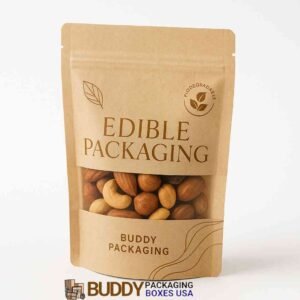
In recent years, innovation has expanded its applications. For instance, edible packaging is emerging as a sustainable alternative. Learn more about innovative solutions here:
Difference Between Aseptic and Traditional Packaging
Understanding what is aseptic packaging becomes clearer when compared to traditional methods. Traditional packaging often relies on preservatives or refrigeration. In contrast, aseptic packaging uses sterilization to maintain product safety. Another difference lies in shelf life. Traditional packaging usually offers shorter storage periods. Aseptic packaging extends this significantly without compromising quality.
Moreover, aseptic packaging maintains nutritional value better. High-speed processing reduces exposure to heat. This helps retain vitamins and natural flavors.
Why Aseptic Packaging Matters Today
Modern consumers prioritize safety, convenience, and sustainability. Aseptic packaging meets all these needs. It allows brands to deliver high-quality products without additives. Global supply chains also benefit from this technology. Products can travel long distances without spoilage. This reduces waste and ensures availability in different regions.
Furthermore, environmental concerns are driving innovation. Companies are developing eco-friendly materials. These advancements make aseptic packaging even more relevant.
Challenges of Aseptic Packaging
Despite its benefits, aseptic packaging has some challenges. The initial setup cost can be high. Specialized equipment and facilities are required. Another challenge is maintaining strict hygiene standards. Any contamination can compromise the entire process. Therefore, continuous monitoring is essential.
Recycling can also be complex due to multi-layer materials. However, ongoing research aims to improve recyclability and reduce environmental impact.
Future Trends in Aseptic Packaging
The future of aseptic packaging looks promising. Technological advancements are improving efficiency and sustainability. Smart packaging features are also emerging. For example, sensors can monitor product quality and freshness. This adds an extra layer of safety and transparency.
Sustainability remains a key focus. Companies are exploring biodegradable materials and reduced plastic use. These innovations align with global environmental goals. Digital printing and customization are also becoming popular. Brands can create unique designs that attract consumers. This enhances marketing and customer engagement.
Conclusion
In conclusion, understanding what is aseptic packaging reveals its importance in modern industries. This innovative method ensures product safety, extends shelf life, and reduces the need for preservatives. It also supports sustainability and convenience.
Explore innovative packaging solutions with our trusted partner. At Buddy Packaging, you’ll find high-quality, sustainable, and customizable options designed to elevate your brand. Whether you need retail, food, or e-commerce packaging, their expertise ensures premium results. Visit the Buddy Packaging official website to discover solutions tailored to your business needs.
FAQs
What is aseptic packaging in simple words
Aseptic packaging is a process where food and packaging are sterilized separately and combined in a sterile environment to keep products safe and fresh.
Why is aseptic packaging important
It prevents contamination, extends shelf life, and reduces the need for preservatives or refrigeration.
Which products use aseptic packaging
Common products include milk, juices, soups, sauces, and ready-to-eat meals.
Is aseptic packaging environmentally friendly
It can be eco-friendly due to lightweight materials and reduced food waste, though recycling can be complex.
How long do aseptic products last
They can last several months without refrigeration until opened, depending on the product and packaging quality.
Does aseptic packaging affect taste
No, it helps preserve the natural taste and nutritional value of the product.