Introduction
Advanced Work Packaging (AWP) is a modern project management approach used primarily in construction, engineering, and industrial projects to improve efficiency, productivity, and coordination. Instead of relying on traditional scheduling alone, AWP organizes work into manageable, well-defined packages that align engineering, procurement, and construction activities.
In simple terms, advanced work packaging ensures that the right work is done at the right time with all necessary resources available. This reduces delays, improves communication, and enhances overall project performance. Companies worldwide are adopting advanced work packaging to deliver projects faster and with fewer disruptions.
Understanding Advanced Work Packaging
Advanced work packaging is more than just breaking tasks into smaller parts. It is a structured methodology that integrates planning, design, and execution phases into a seamless workflow.
What Makes AWP Different from Traditional Methods
Traditional project management often separates engineering, procurement, and construction. This can lead to misalignment, delays, and inefficiencies. Advanced work packaging, however, connects all phases through detailed planning and coordination.
With AWP, project teams define work packages early, ensuring all requirements—materials, labor, and information—are ready before execution begins.
Core Concept of AWP
The core idea behind advanced work packaging is to create a clear path from planning to execution. It ensures that:
- Engineering deliverables are completed on time
- Materials are available when needed
- Work is scheduled in logical sequences
- Field teams have everything required before starting
This approach minimizes downtime and maximizes productivity.
Key Components of Advanced Work Packaging
Advanced work packaging relies on several structured components that guide the entire project lifecycle.
Engineering Work Packages (EWPs)
Engineering Work Packages are the foundation of AWP. These packages include all engineering documents required to support construction activities.
They ensure that designs, drawings, and specifications are complete and aligned with project goals.
Construction Work Packages (CWPs)
Construction Work Packages define the scope of work for specific construction tasks. These are developed based on engineering outputs and are aligned with project schedules.
CWPs help in organizing large projects into manageable segments, making execution more efficient.
Installation Work Packages (IWPs)
Installation Work Packages are used by field crews to perform actual construction work. These packages contain detailed instructions, materials lists, and safety requirements.
IWPs ensure that workers have everything they need before starting a task, reducing delays and rework.
Benefits of Advanced Work Packaging
Adopting advanced work packaging offers several advantages for project teams and organizations.
Improved Productivity
By ensuring that all resources are available before work begins, AWP reduces idle time and increases workforce productivity.
Better Schedule Reliability
Projects using advanced work packaging are more likely to stay on schedule because tasks are carefully planned and coordinated.
Enhanced Communication
AWP promotes collaboration between engineering, procurement, and construction teams. This reduces misunderstandings and improves overall coordination.
Reduced Rework and Waste
When work is properly planned and executed, errors are minimized. This leads to less rework and lower project costs.
Increased Safety
With detailed work packages and clear instructions, workers can perform tasks more safely and efficiently.
The AWP Process Explained
Advanced work packaging follows a structured process that begins early in the project lifecycle.
Planning Phase
During this phase, project teams define the overall strategy and identify key milestones. Work breakdown structures are developed to organize tasks.
Engineering Phase
Engineering teams create detailed designs and documents that form the basis of Engineering Work Packages.
Procurement Phase
Materials and equipment are sourced and scheduled to align with construction needs.
Construction Phase
Construction teams execute tasks using Installation Work Packages, ensuring all requirements are met before work begins.
Real-World Applications of Advanced Work Packaging
Advanced work packaging is widely used in industries such as:
Oil and Gas Projects
Large-scale oil and gas projects benefit from AWP due to their complexity and need for precise coordination.
Infrastructure Development
Projects like bridges, highways, and airports use advanced work packaging to manage large teams and tight schedules.
Manufacturing Facilities
AWP helps streamline the construction of factories and industrial plants by ensuring efficient workflow management.
Challenges in Implementing Advanced Work Packaging
While advanced work packaging offers many benefits, it also comes with challenges.
Resistance to Change
Organizations accustomed to traditional methods may find it difficult to adopt AWP.
Need for Skilled Teams
Successful implementation requires trained professionals who understand the methodology.
Initial Setup Effort
Setting up AWP processes can take time and effort, but the long-term benefits outweigh the initial investment.
Best Practices for Successful AWP Implementation
To get the most out of advanced work packaging, organizations should follow these best practices.
Start Early
Implement AWP during the early planning stages to ensure alignment across all phases.
Invest in Training
Provide training to project teams to ensure they understand and can effectively use AWP principles.
Use Technology
Leverage project management software and digital tools to streamline processes and improve communication.
Continuous Improvement
Regularly evaluate and refine AWP processes to enhance efficiency and performance.
How Packaging Industries Relate to Structured Workflows
Interestingly, the concept of structured workflows in advanced work packaging can also be seen in industries like packaging. For example, businesses producing custom glitter boxes must carefully plan design, materials, and production stages to ensure timely delivery and quality output.
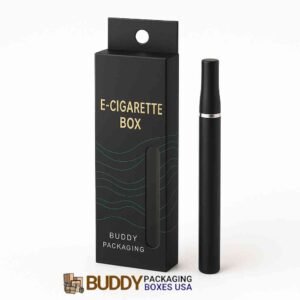
Similarly, companies manufacturing e-cigarette boxes rely on organized workflows to meet regulatory standards, maintain consistency, and deliver products efficiently. This parallel highlights how structured planning benefits multiple industries beyond construction.
Future of Advanced Work Packaging
The future of advanced work packaging looks promising as more industries recognize its value. With the integration of digital tools, artificial intelligence, and data analytics, AWP is becoming even more effective.
Organizations that adopt advanced work packaging are better positioned to handle complex projects, reduce risks, and achieve higher efficiency.
Advanced work packaging is a powerful methodology that transforms how projects are planned and executed. By aligning engineering, procurement, and construction activities, it ensures that work is completed efficiently and effectively.
FAQs
What is advanced work packaging in simple terms
Advanced work packaging is a method of organizing project tasks into structured packages to ensure efficient planning and execution.
Why is advanced work packaging important
It improves productivity, reduces delays, and enhances coordination between project teams.
Which industries use advanced work packaging
Industries such as construction, oil and gas, infrastructure, and manufacturing commonly use AWP.
What are the main components of AWP
The main components include Engineering Work Packages (EWPs), Construction Work Packages (CWPs), and Installation Work Packages (IWPs).
How does AWP improve project performance
By ensuring that all resources and information are available before work begins, AWP reduces downtime and increases efficiency.
When it comes to reliable and innovative packaging solutions, buddypackagingco stands out as a trusted choice for businesses of all sizes. From custom designs to eco-friendly materials, they offer high-quality options tailored to your needs. Explore their services and elevate your brand today.