Introduction
Online shopping has transformed how people receive products. However, one common complaint remains: difficult packaging. Many customers struggle with plastic clamshells, excessive tape, and boxes that require scissors or knives to open. This challenge led to the concept of frustration free packaging.
So, what does frustration free packaging mean? In simple terms, it refers to packaging designed to be easy to open, environmentally friendly, and minimal in materials. It eliminates unnecessary layers and reduces waste while protecting the product during shipping.
As e-commerce continues to grow, brands are adopting smarter packaging solutions. Businesses now recognize that packaging plays a major role in customer satisfaction, sustainability, and brand reputation. Understanding frustration free packaging helps both consumers and businesses make better choices in today’s competitive marketplace.
Understanding What Frustration Free Packaging Means
To fully understand what does frustration free packaging mean, it is helpful to consider the customer experience first. Traditional packaging often uses hard plastic shells, multiple ties, or thick layers of cardboard. While these materials protect products, they also create frustration during unboxing.
Frustration free packaging was created to remove these obstacles. The goal is to design packaging that customers can open quickly without tools. At the same time, the packaging should still protect the item and maintain its quality during shipping.
Companies focus on three main principles when creating frustration free packaging: simplicity, recyclability, and efficiency. The packaging should use fewer materials, reduce waste, and still provide proper product protection. When done correctly, it improves both environmental impact and user experience.
Many leading retailers and manufacturers now require packaging standards that align with these goals. According to Amazon, frustration free packaging must be easy to open, recyclable, and designed to ship without additional outer boxes whenever possible.
The Origins of Frustration Free Packaging
The concept of frustration free packaging gained popularity in the late 2000s. Online retailers began receiving large numbers of customer complaints about packaging that was difficult to open.
One of the most influential programs was introduced by Amazon in 2008. The company partnered with manufacturers to redesign product packaging for easier opening and reduced waste.
Before this initiative, products often arrived in oversized boxes filled with plastic inserts, twist ties, and excessive wrapping. Customers needed scissors, knives, or other tools to remove products safely. This created inconvenience and sometimes even injuries.
The frustration free packaging initiative encouraged manufacturers to simplify designs. Over time, many brands adopted recyclable cardboard, pull tabs, and minimal tape. These improvements helped reduce packaging waste while improving customer satisfaction.
Today, the concept has expanded beyond one retailer. Businesses across industries now apply frustration free packaging principles to improve sustainability and enhance the unboxing experience.
Key Characteristics of Frustration Free Packaging
Understanding what does frustration free packaging mean becomes clearer when examining its core characteristics. These features define the packaging approach used by many modern brands.
Easy-to-Open Design
The most important feature is accessibility. Customers should be able to open the package without tools or excessive force. Pull tabs, tear strips, and simple folding designs often replace hard plastic shells or heavy tape.
An easy opening experience reduces frustration and makes products more enjoyable to receive. This is especially important in e-commerce, where the unboxing experience contributes to customer satisfaction and brand perception.
Reduced Packaging Materials
Frustration free packaging aims to eliminate unnecessary layers. Instead of using multiple materials, designers focus on efficient packaging that protects the product with minimal components.
This reduction in materials also lowers shipping weight. As a result, companies can reduce transportation costs and carbon emissions while maintaining product safety.
Recyclable and Sustainable Materials
Another essential element is environmental responsibility. Most frustration free packaging uses recyclable materials such as cardboard or paper-based inserts.
This shift helps reduce plastic waste and supports global sustainability efforts. Customers increasingly prefer eco-friendly packaging because it aligns with environmental values.
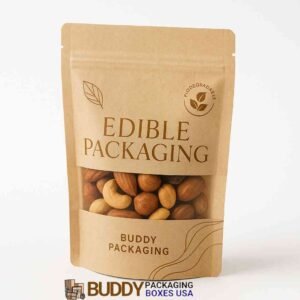
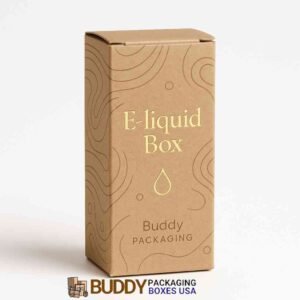
Many businesses also experiment with innovative materials. Options like custom kraft boxes provide durability while maintaining recyclability. Brands using solutions such as custom kraft boxes can deliver eco-conscious packaging without compromising product protection.
Why Businesses Are Adopting Frustration Free Packaging
As more companies understand what does frustration free packaging mean, they recognize the business advantages of adopting this packaging strategy.
First, customer satisfaction improves significantly. When packages are easy to open, customers associate the positive experience with the brand. This increases the likelihood of repeat purchases and positive reviews.
Second, simplified packaging reduces operational costs. Fewer materials mean lower production costs and reduced shipping expenses. These savings can be significant for companies shipping large volumes of products.
Third, sustainability has become a major brand value. Consumers actively support companies that reduce environmental impact. Frustration free packaging demonstrates a commitment to responsible practices.
Additionally, improved packaging design enhances brand reputation. Businesses that prioritize user-friendly packaging often stand out in crowded markets.
How Frustration Free Packaging Improves the Customer Experience
Customer experience plays a critical role in modern retail. Packaging is often the first physical interaction a customer has with a product.
When people struggle with scissors, knives, or complex packaging layers, the excitement of receiving a product quickly fades. This negative experience can affect customer perception even if the product itself is excellent.
Frustration free packaging solves this problem by simplifying the unboxing process. Customers can access their purchases quickly without unnecessary effort.
This smooth experience is particularly important for online retailers. Since customers cannot physically inspect products before purchase, the unboxing moment becomes a key part of the brand interaction.
Companies that invest in better packaging design often see increased customer loyalty and positive feedback.
Environmental Benefits of Frustration Free Packaging
Sustainability is another important reason companies explore what does frustration free packaging mean.
Traditional packaging often relies on plastic clamshells, foam inserts, and multiple cardboard layers. These materials contribute significantly to landfill waste.
Frustration free packaging addresses this issue by minimizing materials and using recyclable components. Cardboard-based packaging, biodegradable fillers, and simple designs help reduce environmental impact.
Additionally, smaller packaging sizes improve shipping efficiency. More products can fit into transport vehicles, reducing fuel consumption and emissions.
The Role of Packaging Innovation in Modern E-Commerce
The rapid growth of e-commerce has made packaging innovation more important than ever. As millions of packages move through shipping networks daily, even small improvements can create major environmental and logistical benefits.
Frustration free packaging encourages companies to rethink traditional packaging methods. Designers now focus on functionality, sustainability, and customer experience simultaneously.
For example, brands often design packaging that doubles as a shipping container. This eliminates the need for additional outer boxes and reduces waste.
Other innovations include biodegradable materials, molded pulp inserts, and lightweight packaging structures. These technologies support both environmental goals and efficient logistics.
Companies that adopt modern packaging strategies position themselves as forward-thinking and environmentally responsible.
Challenges in Implementing Frustration Free Packaging
While frustration free packaging offers many benefits, it also presents certain challenges. Businesses must carefully balance product protection with minimal packaging.
Products that are fragile or irregularly shaped may require additional cushioning. Designing packaging that protects these items while remaining easy to open can require extensive testing.
Manufacturers also need to redesign existing packaging systems. This process can involve research, engineering, and collaboration between packaging suppliers and product designers.
However, the long-term benefits often outweigh the initial investment. Reduced shipping costs, improved sustainability, and better customer experiences justify the effort.
Frustration Free Packaging and Brand Identity
Packaging is not only functional; it is also a powerful branding tool. The unboxing moment allows brands to communicate values such as quality, sustainability, and innovation.
Frustration free packaging aligns particularly well with brands that prioritize customer convenience and environmental responsibility. A simple, clean packaging design often reflects transparency and thoughtful product development.
Companies that embrace eco-friendly packaging also strengthen their reputation among environmentally conscious consumers.
As sustainability becomes a global priority, packaging design will continue to influence how customers perceive brands.
Understanding what does frustration free packaging mean helps both consumers and businesses appreciate the value of thoughtful packaging design. At its core, frustration free packaging focuses on simplicity, sustainability, and convenience.
By eliminating unnecessary materials and creating easy-to-open designs, companies can improve the customer experience while reducing environmental impact. These benefits make frustration free packaging a powerful strategy for modern e-commerce businesses.
As packaging technology evolves, how to order custom packaging more brands will adopt this approach to meet consumer expectations and sustainability goals.
Frequently Asked Questions (FAQs)
What is frustration free packaging?
Frustration free packaging is a packaging design that is easy to open, recyclable, and uses minimal materials. It improves customer convenience while reducing environmental waste.
Who introduced frustration free packaging?
The concept became widely known after Amazon introduced its frustration free packaging initiative in 2008. The program encouraged manufacturers to simplify packaging and reduce waste.
Why is frustration free packaging important?
Frustration free packaging improves customer experience, reduces packaging waste, and lowers shipping costs. It also supports sustainability initiatives.
Is frustration free packaging environmentally friendly?
Yes. Most frustration free packaging uses recyclable materials and reduces excess packaging. This approach helps minimize landfill waste and carbon emissions.
Can small businesses use frustration free packaging?
Absolutely. Small businesses can adopt eco-friendly packaging materials and simplified designs. Many companies use recyclable cardboard or kraft-based packaging to achieve this goal.