Packaging standards are essential in any facility that handles goods, even when those goods are not edible. Many people searching for what are the packaging criteria for accepting nonfood items Orange Theory Mountain View want clear guidance on how nonfood items should be packaged before they are received, stored, or distributed. Proper packaging prevents contamination, protects products from damage, and ensures safe handling.
In fitness centres such as Orange Theory studios, nonfood items include merchandise, equipment accessories, promotional products, and operational supplies. Each of these items must arrive in suitable packaging that protects quality and supports efficient storage. Understanding the correct packaging criteria helps suppliers, distributors, and businesses maintain operational standards while complying with hygiene and safety practices.
This article explains the essential packaging criteria for accepting nonfood items, with a specific focus on operational environments like Orange Theory Mountain View. It also explores compliance standards, packaging integrity, sustainability considerations, and best practices for suppliers.
Understanding the Importance of Packaging Criteria for Nonfood Items
When organisations receive nonfood items, the packaging plays a vital role in maintaining product integrity. The primary purpose of packaging is to ensure that items arrive undamaged and free from contamination during transportation and storage. Even though these products are not food, poor packaging can still create safety risks or operational disruptions.
Fitness studios like Orange Theory Mountain View rely on efficient logistics to manage inventory. Equipment accessories, retail products, and promotional materials must be packaged securely to avoid damage. Improper packaging can cause delays, product loss, or unnecessary waste.
Packaging criteria also help standardise supplier expectations. When vendors understand exactly how items should be packaged, it reduces confusion and improves consistency across shipments. Businesses benefit from faster receiving processes and fewer rejected deliveries.
Another important aspect is workplace safety. Packaging that is unstable, damaged, or poorly sealed can create hazards for employees handling shipments. Clear packaging requirements ensure that products are safe to move, store, and unpack.
Key Packaging Standards for Accepting Nonfood Items
Protective Packaging Requirements
Protective packaging is one of the most fundamental criteria when accepting nonfood items. Items must be packaged in a way that protects them from external damage, moisture, dust, and contamination. Corrugated boxes, protective inserts, and secure wrapping materials are commonly used to maintain product condition.
Fitness studios frequently receive merchandise and accessories that must remain visually appealing for resale. Damaged packaging can affect product presentation and customer perception. Suppliers must therefore ensure that the outer packaging is sturdy enough to withstand transportation stress.
Another important factor is the correct use of internal cushioning. Fragile or delicate items must include adequate padding. This reduces the risk of breakage and prevents items from shifting during transit. Businesses often reject shipments if the packaging does not provide sufficient protection.
Clear Labelling and Identification
Clear labelling is another essential requirement when determining what are the packaging criteria for accepting nonfood items Orange Theory Mountain View. Every shipment must include visible identification that describes the contents, supplier details, and handling instructions.
Labels should be easy to read and placed on the outer packaging. This allows receiving staff to quickly verify shipments without opening every box. In larger deliveries, clear labelling also improves inventory management and reduces handling errors.
Handling instructions are particularly important when items require careful storage. For example, labels such as “fragile,” “keep dry,” or “this side up” help maintain product integrity during transportation and storage.
Proper labelling also supports traceability. If there is an issue with a shipment, clear labels allow businesses to quickly identify the supplier and resolve the problem efficiently.
Hygiene and Safety Considerations for Nonfood Packaging
Even though the items are not edible, hygiene standards still matter. Fitness environments must maintain cleanliness because equipment and merchandise are used by customers. Packaging that arrives dirty, damaged, or contaminated may be rejected.
Suppliers should ensure that packaging materials are clean and free from pests or harmful substances. This is particularly important in environments where customer health and safety are a priority. Proper packaging protects products from contamination during transit and storage.
Another safety factor is the structural stability of packaging. Boxes must not collapse or tear when lifted. Heavy items should use reinforced materials to prevent accidents during handling.
In many cases, packaging must also comply with workplace safety regulations. Businesses want to minimise injuries related to lifting, stacking, or transporting packages. Packaging design should therefore support safe manual handling.
Environmental and Sustainability Requirements
Sustainability has become a major consideration in modern packaging practices. Businesses are increasingly prioritising environmentally responsible packaging materials. Many organisations now prefer recyclable, biodegradable, or reusable packaging options.
Suppliers who adopt sustainable packaging methods often gain a competitive advantage. Using eco-friendly materials helps businesses reduce waste and align with corporate environmental goals. This approach is also appreciated by customers who value sustainability.
For example, companies providing packaging solutions often develop innovative approaches that minimise excess material while maintaining protection. Solutions such as coin packaging demonstrate how specialised packaging can combine efficiency with protective design.
Reducing unnecessary packaging layers also improves logistics efficiency. Lighter shipments reduce transportation costs and environmental impact. Businesses benefit from streamlined operations while contributing to sustainability initiatives.
Compliance and Quality Assurance in Packaging
Compliance plays a significant role in determining whether nonfood items are accepted upon delivery. Businesses often create internal packaging standards that suppliers must follow. These standards ensure consistent quality and minimise operational disruptions.
Quality assurance processes typically include inspection of packaging integrity. Receiving teams check whether packages are sealed properly and free from visible damage. If packaging fails to meet the required criteria, shipments may be rejected or returned.
Documentation is another important aspect of compliance. Suppliers should include packing slips or invoices that match the shipment contents. This helps receiving teams verify quantities quickly and accurately.
Businesses may also conduct periodic audits of supplier packaging practices. These evaluations ensure that vendors continue to meet established packaging requirements over time.
Packaging Considerations for Retail and Merchandise Items
Fitness studios often sell branded merchandise such as apparel, water bottles, and accessories. These items require packaging that protects the product while maintaining an attractive appearance. Presentation plays a key role in customer perception and brand reputation.
Packaging should therefore prevent wrinkles, scratches, or damage during transportation. Clear packaging or protective wraps are often used to preserve product visibility and quality.
Custom packaging can also enhance branding opportunities. For instance, businesses sometimes use specialised packaging formats similar to custom food boxes to improve product presentation and organisation. Although designed for food products, similar structural concepts can be applied to nonfood merchandise packaging.
Retail packaging must also support efficient storage within the studio. Compact and stackable packaging helps maximise available space while maintaining product accessibility.
Best Practices for Suppliers Shipping Nonfood Items
Suppliers who understand packaging expectations can significantly improve delivery success rates. Careful preparation before shipping ensures that items arrive safely and meet acceptance criteria. Proper packaging also strengthens business relationships by demonstrating professionalism and reliability.
Packaging materials should always match the weight and fragility of the product. Heavy items require reinforced boxes, while delicate items need protective cushioning. Selecting the correct packaging prevents damage and reduces the likelihood of rejected shipments.
Consistency is equally important. Using standardised packaging methods across shipments simplifies receiving processes for businesses. Staff can quickly recognise packaging formats and process deliveries more efficiently.
Clear communication between suppliers and businesses further enhances packaging compliance. When packaging requirements are clearly defined, suppliers can adjust their processes to meet expectations.
Challenges Businesses Face with Nonfood Packaging
Despite clear standards, businesses often encounter packaging challenges. One common issue is over-packaging, where excessive materials increase waste and transportation costs. While protection is important, unnecessary layers can create inefficiencies.
Another challenge is inconsistent packaging quality across shipments. Suppliers may use different packaging materials for each delivery, making it harder for receiving teams to manage inventory effectively. Standardisation helps resolve this problem.
Damage during transit also remains a common concern. Even well-packaged items can be affected by rough handling during transportation. Businesses therefore rely on strong packaging materials that provide reliable protection.
Addressing these challenges requires collaboration between suppliers, logistics providers, and receiving teams. Continuous improvement in packaging design and processes ensures better results over time.
The Future of Packaging Standards for Nonfood Items
Packaging practices continue to evolve as technology and sustainability priorities change. Many organisations are exploring innovative materials that offer both strength and environmental benefits. These materials reduce waste while maintaining product protection.
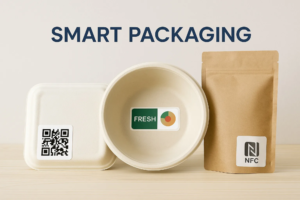
Digital tracking technologies are also influencing packaging practices. Smart labels and tracking systems allow businesses to monitor shipments more closely. This improves transparency and reduces the risk of lost or damaged goods.
Automation in warehouses and distribution centres is another factor shaping packaging standards. Packaging designs must now support automated handling systems as well as manual operations.
As businesses continue to optimise logistics, packaging standards will become even more refined. Suppliers who adapt to these evolving expectations will remain competitive in modern supply chains.
Frequently Asked Questions (FAQs)
What are the packaging criteria for accepting nonfood items at Orange Theory Mountain View?
The packaging criteria typically include strong protective materials, clear labelling, clean packaging, and secure sealing. These standards ensure products arrive safely and can be handled efficiently.
Why is proper packaging important for nonfood items?
Proper packaging protects items from damage, contamination, and handling risks. It also improves storage efficiency and ensures smooth receiving processes.
Can shipments be rejected due to poor packaging?
Yes. Businesses may reject shipments if packaging is damaged, poorly sealed, contaminated, or incorrectly labelled. Proper packaging helps avoid delivery delays.
What materials are commonly used for nonfood packaging?
Corrugated cardboard boxes, protective inserts, bubble wrap, and shrink wrap are commonly used materials. These materials provide protection during transit and storage.
Are there sustainability requirements for packaging?
Many organisations encourage recyclable or eco-friendly packaging materials. Sustainable packaging helps reduce environmental impact while maintaining product protection.
Understanding what are the packaging criteria for accepting nonfood items Orange Theory Mountain View is essential for suppliers and businesses alike. Proper packaging ensures products arrive in excellent condition, reduces operational disruptions, and supports workplace safety. Clear labelling, protective materials, and compliance with hygiene standards are all critical components of successful packaging practices.
As sustainability and logistics efficiency continue to evolve, packaging standards will become increasingly sophisticated. Businesses that prioritise high-quality packaging will improve operational performance while strengthening supplier relationships.