Introduction
Chips packaging plays a major role in the snack food industry. It protects products, preserves freshness, and attracts buyers instantly. When consumers walk through supermarket aisles, packaging often becomes the first thing they notice. Therefore, companies invest heavily in creating practical and visually appealing chip packaging solutions.
If you have ever wondered what are the different types of chips packaging, the answer involves several materials, formats, and technologies. Each packaging type serves a specific purpose based on the product’s shelf life, branding goals, transportation needs, and customer expectations.
Modern chips packaging is no longer just about storing snacks. Instead, it combines food safety, sustainability, convenience, and marketing into one complete solution. From traditional foil bags to eco-friendly pouches, packaging styles continue evolving rapidly.
Understanding these packaging types helps manufacturers choose the right solution for their products. It also helps consumers appreciate why certain chip packets feel different from others.
Why Chips Packaging Matters
Packaging directly impacts product quality and customer satisfaction. Chips are highly sensitive to moisture, oxygen, and physical damage. Without proper packaging, they quickly lose crispness and flavor.
Good packaging creates a barrier against environmental factors. It keeps chips fresh during transportation and storage. At the same time, it improves shelf appeal and strengthens brand identity.
Today, snack companies also focus on sustainable packaging practices. Many brands are replacing traditional plastics with recyclable or biodegradable materials. As a result, packaging innovation has become a competitive advantage.
Besides protection, packaging influences buying behavior. Bright colors, creative designs, and unique shapes can instantly capture attention. Similar to how attractive donut boxes enhance bakery presentation, premium chips packaging improves perceived product value.
Flexible Chips Packaging
Flexible packaging is the most common option in the snack industry. Most potato chips and corn chips come in flexible pouches or bags because they are lightweight and cost-effective.
These packages are usually made from multiple layers of plastic film, aluminum foil, or laminated materials. The combination creates a strong barrier against moisture and oxygen.
Flexible packaging offers several advantages. First, it reduces shipping costs because it weighs very little. Second, it provides excellent print quality for branding and product information. Third, it allows manufacturers to produce different bag sizes easily.
This packaging style is especially popular for mass-market snack brands. Consumers also appreciate its convenience because flexible bags are easy to carry and store.
Foil Packaging for Chips
Foil packaging is widely used for premium chips and flavored snacks. Aluminum foil layers help preserve freshness for longer periods.
The reflective surface protects chips from sunlight, moisture, and oxygen. This significantly extends shelf life while maintaining crisp texture and flavor.
Foil bags also support nitrogen flushing technology. During packaging, manufacturers replace oxygen inside the bag with nitrogen gas. This prevents chips from breaking and becoming stale.
Many famous chip brands rely on foil packaging because it offers superior protection. However, environmental concerns are encouraging companies to explore recyclable alternatives.
Stand-Up Pouches
Stand-up pouches have become increasingly popular in recent years. These pouches feature a bottom gusset that allows them to stand upright on shelves.
This packaging type enhances product visibility in retail stores. It also provides more space for branding and nutritional information.
Resealable zippers are another major advantage. Consumers can open and close the package multiple times while keeping chips fresh.
Stand-up pouches work particularly well for gourmet chips, organic snacks, and premium products. Since they look modern and stylish, many new snack brands prefer this packaging option.
Pillow Bags
Pillow bags are among the most traditional forms of chips packaging. They are called pillow bags because of their puffed shape after sealing.
Manufacturers create these bags using horizontal sealing machines. The packaging process is fast, efficient, and affordable.
Pillow bags are commonly used for small snack portions sold in supermarkets, vending machines, and convenience stores. Although simple, they still provide effective protection when combined with quality barrier materials.
Their lightweight design also reduces transportation expenses. Consequently, pillow bags remain a practical choice for many manufacturers.
Rigid Chips Containers
Some chip brands use rigid containers instead of flexible bags. These containers usually come in cylindrical cans or plastic tubs.
Rigid packaging offers better protection against crushing. Unlike standard chip bags, rigid containers prevent chips from breaking during shipping.
This packaging style is often associated with premium stacked chips. Consumers appreciate the organized appearance and resealable lids.
However, rigid containers cost more to produce. They also require more storage space during transportation. Despite these drawbacks, they continue to attract brands seeking a premium image.
Vacuum Packaging
Vacuum packaging removes air from the package before sealing. This method helps maintain freshness and extends shelf life significantly.
Although less common for traditional potato chips, vacuum packaging works well for specialty snacks and baked chips.
The absence of oxygen slows down spoilage and preserves flavor. Additionally, vacuum-sealed packaging minimizes product movement inside the package.
Manufacturers often combine vacuum technology with high-barrier films for maximum protection.
Eco-Friendly Chips Packaging
Sustainability is transforming the packaging industry. Consumers increasingly prefer environmentally responsible packaging solutions.
As a result, brands are experimenting with biodegradable films, recyclable materials, and compostable packaging options.
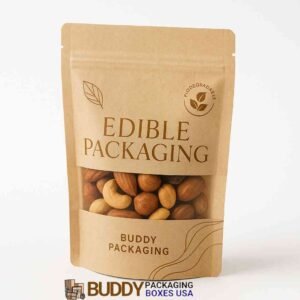
Eco-friendly chips packaging reduces environmental impact while improving brand reputation. Some companies now use plant-based plastics made from cornstarch or sugarcane.
Others focus on recyclable mono-material packaging, which simplifies recycling processes. Although sustainable packaging may cost more initially, it aligns with changing consumer expectations.
Packaging innovation today resembles trends seen in industries using premium custom cosmetics boxes where aesthetics and sustainability work together to attract conscious buyers.
Printed Packaging Designs
Packaging design is just as important as packaging material. Visual presentation strongly affects customer purchasing decisions.
Bright colors, bold typography, and creative graphics help products stand out on crowded shelves. Many brands use matte finishes, metallic effects, and transparent windows for added appeal.
Packaging design also communicates brand identity. For example, organic chip brands often use earthy colors and minimalist designs. In contrast, spicy snack brands may use vibrant red or orange packaging to create excitement.
Modern printing technology allows companies to create highly customized packaging designs at lower costs. This flexibility helps smaller brands compete with major companies.
Single-Serve Packaging
Single-serve chip packaging has grown rapidly due to busy lifestyles and changing eating habits.
Consumers often prefer smaller portions for convenience, travel, and lunchboxes. Schools, airlines, and vending machines also rely heavily on single-serve packaging formats.
These small packets reduce food waste and improve portion control. However, they may increase overall packaging waste because more material is used per serving.
Manufacturers continue searching for sustainable solutions to balance convenience with environmental responsibility.
Bulk Packaging for Commercial Use
Bulk chips packaging is mainly used for restaurants, catering businesses, and wholesale distribution.
Large bags reduce packaging costs and simplify storage for commercial buyers. These packages usually contain stronger barrier materials because they hold larger product quantities.
Bulk packaging prioritizes functionality over appearance. However, durability remains extremely important to prevent product damage during transportation.
Smart Packaging Technologies
Technology is changing the future of chips packaging. Smart packaging solutions now improve food safety, traceability, and customer interaction.
QR codes on packaging allow customers to access nutritional information, promotions, or brand stories instantly. Some companies even use freshness indicators that change color if the product becomes compromised.
Advanced packaging technologies also help manufacturers monitor supply chains more effectively. This improves product quality and reduces waste.
As technology continues evolving, smart packaging will likely become more common in the snack industry.
Factors That Influence Packaging Choice
- Several factors determine which packaging type manufacturers choose.
- Product shelf life is one of the most important considerations. Chips with delicate flavors require stronger oxygen barriers.
- Transportation needs also matter. Fragile products may need rigid containers for extra protection.
- Brand positioning influences packaging decisions as well. Premium brands usually invest in higher-quality materials and sophisticated designs.
- Budget constraints, sustainability goals, and consumer preferences further affect packaging selection.
- Ultimately, the best packaging balances protection, cost, appearance, and environmental impact.
Future Trends in Chips Packaging
The future of chips packaging will focus heavily on sustainability and convenience.
Many companies are investing in recyclable flexible films and compostable packaging solutions. Governments worldwide are also introducing stricter regulations on single-use plastics.
Minimalist packaging designs are becoming more popular as brands seek cleaner and more modern aesthetics.
At the same time, resealable packaging and portion-control formats will continue growing due to consumer demand.
Digital printing technology may also transform packaging customization. Smaller production runs and personalized packaging could become more common in the future.
Conclusion
Understanding what are the different types of chips packaging helps explain how snack brands protect freshness, attract customers, and improve product quality. From flexible pouches and foil bags to rigid containers and sustainable packaging, every solution serves a unique purpose.
Today’s packaging industry balances functionality, branding, convenience, and environmental responsibility. As consumer expectations evolve, packaging innovation will continue shaping the future of the snack market.
Whether you are launching a snack brand or simply exploring packaging trends, choosing the right packaging can significantly influence product success. Investing in high-quality, visually appealing, and sustainable packaging solutions creates a better customer experience and strengthens long-term brand value.
FAQs
What is the most common type of chips packaging?
Flexible plastic or foil bags are the most common chips packaging types because they are lightweight, affordable, and effective at preserving freshness.
Why are chip bags filled with air?
Chip bags contain nitrogen gas instead of regular air. Nitrogen helps protect chips from breaking and prevents them from becoming stale.
What materials are used in chips packaging?
Chips packaging commonly uses plastic films, aluminum foil, laminated materials, paper-based films, and biodegradable packaging materials.
What is sustainable chips packaging?
Sustainable chips packaging uses recyclable, compostable, or biodegradable materials to reduce environmental impact.
Why do premium chips use rigid containers?
Rigid containers protect chips better during transportation and create a premium appearance for consumers.
Are biodegradable chip bags available?
Yes, many companies now produce biodegradable and compostable chip packaging using plant-based materials.
Tea bag packaging machines are designed to automate the process of filling, sealing, and packing tea bags with speed and precision. These machines measure the right amount of tea leaves, place them into filter paper, and seal the bags to maintain freshness and quality. Advanced systems can also attach tags, strings, and outer packaging for retail sale. Modern tea bag packaging machines improve efficiency, reduce waste, and ensure hygienic production for tea manufacturers worldwide.