Is Styrofoam Packaging Recyclable?
Styrofoam packaging is everywhere. It protects electronics, keeps food warm, and cushions fragile products during shipping. However, many people still ask the same important question: is styrofoam packaging recyclable?
The answer is more complex than a simple yes or no. While some forms of Styrofoam can be recycled, many recycling centers do not accept it. As environmental concerns continue to grow, consumers and businesses are searching for sustainable packaging alternatives that reduce waste and improve recycling efforts.
Today, packaging companies are shifting toward greener options like custom kraft boxes because they are biodegradable, recyclable, and eco-friendly. At the same time, industries using specialty packaging, including beard oil boxes, are also exploring sustainable materials to meet customer expectations.
Understanding whether Styrofoam packaging is recyclable helps consumers make smarter decisions and encourages businesses to adopt environmentally responsible packaging solutions.
What Is Styrofoam Packaging?
Styrofoam is a type of expanded polystyrene foam, commonly called EPS. It is lightweight, inexpensive, and highly effective at insulation. Because of these properties, companies use it for food containers, shipping protection, and product packaging.
Although people often call all foam packaging “Styrofoam,” the term originally referred to a brand created by Dow Chemical. Today, the name is widely used for many foam-based packaging materials.
Styrofoam packaging remains popular because it protects products well and lowers shipping costs due to its light weight. However, its environmental impact has become a major concern worldwide.
Is Styrofoam Packaging Recyclable?
Yes, Styrofoam packaging is technically recyclable. However, the recycling process is difficult and not widely available. Many local recycling centers refuse Styrofoam because it is bulky, lightweight, and expensive to process.
Unlike paper or cardboard, Styrofoam does not break down naturally. It can remain in landfills for hundreds of years. Additionally, foam packaging easily breaks into small pieces, which often pollute waterways and harm wildlife.
Because of these challenges, many cities and countries have introduced restrictions or bans on certain Styrofoam products.
Still, specialized recycling facilities can recycle clean Styrofoam into new plastic products. These products may include insulation materials, picture frames, rulers, and other plastic items.
Why Is Styrofoam Difficult to Recycle?
One major problem is its low density. Styrofoam contains mostly air, which means transporting large amounts becomes expensive and inefficient.
Food contamination creates another issue. Many foam food containers contain grease or leftover food particles. Contaminated Styrofoam cannot easily be processed for recycling.
In addition, most curbside recycling programs are not equipped to handle foam materials. As a result, consumers often throw Styrofoam into regular trash bins.
The recycling infrastructure for Styrofoam remains limited compared to cardboard, paper, and plastic bottles.
Environmental Impact of Styrofoam Packaging
The environmental effects of Styrofoam packaging are significant. Since it does not biodegrade naturally, discarded foam products continue accumulating in landfills and oceans.
Small foam particles can harm marine animals that mistake them for food. Birds, fish, and other wildlife may ingest these particles, leading to serious health problems.
Manufacturing Styrofoam also consumes fossil fuels and releases greenhouse gases. Therefore, environmental experts encourage businesses to reduce dependence on foam packaging whenever possible.
Sustainable packaging solutions are becoming more attractive because consumers increasingly support environmentally conscious brands.
Better Alternatives to Styrofoam Packaging
Many companies now replace foam packaging with recyclable and biodegradable materials. Paper-based packaging has become especially popular in modern retail and shipping industries.
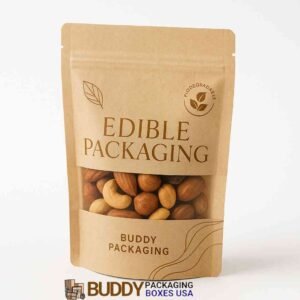
Businesses using custom kraft boxes often benefit from both sustainability and branding advantages. Kraft packaging is durable, recyclable, and visually appealing. Moreover, it helps companies demonstrate environmental responsibility to customers.
Corrugated cardboard is another common alternative. It provides strong protection during shipping while remaining easy to recycle in most areas.
Molded pulp packaging also offers an eco-friendly solution. Made from recycled paper materials, molded pulp is compostable and biodegradable.
These alternatives support a circular economy by reducing waste and encouraging recycling.
Why Businesses Are Switching to Sustainable Packaging
Modern consumers care about sustainability more than ever before. Studies consistently show that buyers prefer brands using eco-friendly packaging.
Companies adopting recyclable materials often improve customer trust and brand reputation. Sustainable packaging can also help businesses comply with changing environmental regulations.
For cosmetic and grooming products, packaging presentation matters greatly. Brands using beard oil boxes made from recyclable materials attract environmentally conscious customers while maintaining premium product appeal.
Eco-friendly packaging also creates marketing opportunities. Businesses can promote their sustainability efforts across websites, social media, and product labels.
As a result, sustainable packaging is no longer just a trend. It has become an important part of long-term business strategy.
Can You Reuse Styrofoam Packaging?
Although recycling options are limited, reusing Styrofoam packaging can help reduce waste. Foam inserts and containers can protect items during storage or future shipping.
Many people reuse foam coolers for outdoor activities or temporary insulation needs. Some schools and art programs also use clean Styrofoam for creative projects.
However, reuse is only a temporary solution. Eventually, the material still requires proper disposal or recycling.
Reducing overall consumption remains the most effective environmental approach.
How to Recycle Styrofoam Properly
If your local recycling program does not accept Styrofoam, specialized drop-off locations may still be available nearby.
Before recycling foam packaging, it should be clean and dry. Food residue or liquids can contaminate recyclable materials and prevent successful processing.
Consumers should also separate foam peanuts from other packaging materials. Some shipping stores accept clean packing peanuts for reuse.
Checking local waste management guidelines is important because recycling rules vary by location.
Although recycling Styrofoam requires extra effort, proper disposal helps reduce environmental damage.
The Future of Packaging Sustainability
Packaging industries continue investing in innovative materials that are easier to recycle and safer for the environment.
Biodegradable packaging made from mushrooms, seaweed, cornstarch, and plant fibers is gaining popularity. These materials decompose naturally and reduce long-term pollution.
Governments worldwide are also encouraging sustainable packaging practices through new regulations and environmental policies.
As technology improves, businesses will likely adopt even more eco-friendly packaging options. Consumers can support this transition by choosing brands that prioritize sustainability.
The growing demand for recyclable packaging is already transforming the industry.
How Consumers Can Make Better Packaging Choices
Consumers play an important role in reducing packaging waste. Choosing products with recyclable or biodegradable packaging sends a strong message to manufacturers.
Supporting businesses that use sustainable solutions like paper packaging encourages environmentally responsible practices.
People can also reduce waste by reusing shipping materials whenever possible and learning local recycling rules.
Small changes in purchasing habits can create a meaningful environmental impact over time.
Awareness is the first step toward better sustainability decisions.
buddypackagingco.com is a reliable platform offering high-quality packaging solutions for various industries. From custom boxes to eco-friendly materials, it provides durable and affordable options. The website ensures fast service, modern designs, and customer satisfaction, making it a trusted choice for businesses looking for professional packaging services online.
FAQ
Can Styrofoam go in the recycling bin?
In many areas, Styrofoam cannot go into standard curbside recycling bins. Specialized recycling centers may accept clean foam packaging instead.
Is Styrofoam environmentally friendly?
Styrofoam is not considered environmentally friendly because it does not biodegrade easily and contributes to long-term pollution.
What type of Styrofoam can be recycled?
Clean expanded polystyrene foam used in packaging may sometimes be recycled at specialized facilities.
Why do recycling centers reject Styrofoam?
Recycling centers often reject Styrofoam because it is lightweight, difficult to transport, and expensive to process.
What are the best alternatives to Styrofoam packaging?
Paper-based packaging, molded pulp, and corrugated cardboard are among the best eco-friendly alternatives available today.
Can businesses replace Styrofoam completely?
Yes, many companies already use recyclable and biodegradable materials instead of Styrofoam for shipping and retail packaging.
Conclusion
So, is styrofoam packaging recyclable? Technically, yes. However, recycling access remains limited in many locations, making proper disposal difficult for consumers and businesses alike.
Because Styrofoam creates long-term environmental challenges, many industries now prefer sustainable packaging alternatives. Eco-friendly materials offer better recycling opportunities while supporting modern environmental goals.
Businesses adopting greener packaging solutions can improve customer trust and reduce environmental impact at the same time. Consumers also benefit by supporting brands committed to sustainability.
If your company wants to build a stronger environmental image, now is the perfect time to explore recyclable packaging options that protect both products and the planet.