Introduction
Understanding how to reduce plastic packaging has become a critical part of modern sustainability efforts. With global plastic waste rising every year, individuals and businesses are under increasing pressure to adopt cleaner, smarter packaging solutions. Learning how to reduce plastic packaging is not only an environmental responsibility but also a long-term economic and branding advantage.
In today’s world, consumers are actively choosing eco-conscious brands, while households are also looking for practical ways to reduce waste. Therefore, knowing how to reduce plastic packaging helps bridge the gap between convenience and environmental responsibility. This article explores actionable strategies, real-world applications, and sustainable alternatives that make a measurable difference.
Why Learning How to Reduce Plastic Packaging Matters for the Future
Environmental impact and resource depletion
One of the main reasons how to reduce plastic packaging is widely discussed is its direct impact on the environment. Plastic waste takes hundreds of years to decompose, often ending up in oceans and landfills. This leads to severe ecological disruption, harming marine life and contaminating food chains.
When individuals and companies understand how to reduce plastic packaging, they contribute to reducing carbon emissions and minimizing dependency on fossil fuel-based materials. According to research from organizations like the United Nations Environment Programme, reducing packaging waste is essential for achieving global sustainability goals.
Consumer awareness and global responsibility
Modern consumers are more informed than ever. They actively prefer products that demonstrate responsible packaging practices. This shift has made how to reduce plastic packaging a key competitive factor in industries such as retail, food, and e-commerce.
Businesses that adopt sustainable practices not only protect the environment but also strengthen customer trust and loyalty.
Practical Ways on How to Reduce Plastic Packaging in Everyday Life
Conscious purchasing decisions
One of the simplest approaches to how to reduce plastic packaging is making mindful purchasing choices. Buying in bulk, choosing products with minimal packaging, and selecting refillable options can significantly reduce plastic waste over time.
Reusable and refill systems
Another effective strategy for how to reduce plastic packaging involves switching to reusable containers and refill systems. Many grocery stores now offer refill stations for household essentials, reducing the need for single-use plastics.
Supporting sustainable brands
Consumers can influence the market by supporting brands that prioritize eco-friendly packaging. This encourages more companies to invest in sustainable solutions and rethink their packaging designs.
Business Strategies on How to Reduce Plastic Packaging Effectively
Businesses play a major role in solving the plastic crisis. Understanding how to reduce plastic packaging at a corporate level can transform entire supply chains.
Redesigning packaging structures
Companies can redesign packaging to use less material without compromising product safety. Lightweight packaging, compact designs, and biodegradable materials are all effective approaches.
For example, packaging solutions like a comb box show how innovative structural design can reduce material usage while maintaining functionality.
Optimizing shipping and logistics
Reducing unnecessary packaging during shipping is another important aspect of how to reduce plastic packaging. Using right-sized boxes, eliminating redundant layers, and switching to recyclable materials can significantly reduce waste.
Businesses in the food industry, for instance, can also explore eco-friendly packaging like burger boxes, which offer more sustainable alternatives to traditional plastic-based containers.
Sustainable Materials and Alternatives for How to Reduce Plastic Packaging
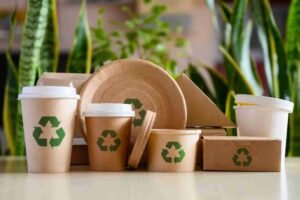
Choosing the right materials is central to understanding how to reduce plastic packaging. Several alternatives now exist that are both functional and environmentally friendly.
Below is a structured overview of commonly used sustainable materials:
| Sustainable Material | Description | Environmental Benefit | Common Use Case |
|---|---|---|---|
| Paper-based packaging | Made from recycled or virgin paper fibers | Fully recyclable and biodegradable | Retail boxes, food packaging |
| Bioplastics | Derived from plant-based sources like corn starch | Reduces fossil fuel dependency | Bags, wraps, containers |
| Glass containers | Durable and reusable material | Infinite recyclability | Beverages, food storage |
| Metal packaging | Aluminum or steel-based solutions | High recyclability rate | Cans, industrial packaging |
These materials demonstrate practical pathways for how to reduce plastic packaging without compromising durability or user experience.
Role of Supply Chains and Consumers in How to Reduce Plastic Packaging
Supply chains significantly influence how to reduce plastic packaging at scale. From raw material sourcing to final delivery, every stage offers opportunities for improvement.
Manufacturers can collaborate with suppliers to reduce excess wrapping and adopt eco-friendly alternatives. At the same time, consumers influence demand patterns. When customers consistently choose sustainable packaging, companies are encouraged to improve their practices.
This mutual responsibility creates a cycle that strengthens the global effort on how to reduce plastic packaging.
Cost Benefits and Long-Term Value of How to Reduce Plastic Packaging
While some businesses initially assume that sustainability increases costs, the reality is often the opposite. Understanding how to reduce plastic packaging can lead to long-term financial benefits.
Reduced material usage lowers production costs, while optimized logistics decrease shipping expenses. Additionally, brands that invest in sustainability often experience improved customer retention and stronger market positioning.
In the long run, how to reduce plastic packaging becomes not just an environmental strategy but a profitable business decision.
Common Mistakes in How to Reduce Plastic Packaging Efforts
Many organizations attempt how to reduce plastic packaging but make avoidable mistakes. One common issue is replacing plastic with non-recyclable alternatives, which only shifts the problem rather than solving it.
Another mistake is focusing only on packaging design without considering the full supply chain. True success in how to reduce plastic packaging requires a holistic approach that includes sourcing, production, and distribution.
Frequently Asked Questions (FAQs)
What is the easiest way to start how to reduce plastic packaging at home?
The easiest way is to start using reusable bags, containers, and avoiding single-use packaged goods. Small changes build long-term impact in how to reduce plastic packaging.
Can businesses really save money by how to reduce plastic packaging?
Yes, businesses often reduce costs by minimizing material usage and optimizing logistics. Efficient how to reduce plastic packaging strategies improve profitability.
Are biodegradable materials always better for how to reduce plastic packaging?
Not always. Some biodegradable materials require specific conditions to decompose properly. Effective how to reduce plastic packaging depends on proper material selection.
How can consumers encourage companies in how to reduce plastic packaging?
Consumers can support eco-friendly brands and avoid products with excessive packaging. Market demand strongly influences how to reduce plastic packaging practices.
Understanding how to reduce plastic packaging is no longer optional—it is essential for environmental protection and sustainable growth. Whether through individual lifestyle changes or large-scale business transformation, every step matters.
From reusable systems to innovative materials and smarter logistics, the journey of how to reduce plastic packaging requires consistent effort and awareness.