How to Make Custom Packaging
Custom packaging has become one of the most effective ways to build a memorable brand. Customers often form their first impression of a product by looking at its packaging before they even use it. That is why learning how to make custom packaging is an essential skill for businesses of every size.
Whether you sell handmade products, cosmetics, clothing, electronics, or food, custom packaging helps your products stand out from competitors. It also protects items during shipping while creating a professional appearance that encourages repeat purchases.
If you are wondering how to make custom packaging, the process involves much more than choosing a beautiful box. You must understand your product, select suitable materials, create an attractive design, and ensure the packaging reflects your brand identity. When all these elements work together, customers enjoy a better unboxing experience and remember your business for the right reasons.
Why Custom Packaging Matters
Understanding how to make custom packaging starts with recognizing its value. Packaging is more than a protective container. It is a marketing tool that communicates quality, professionalism, and trust.
Customers often associate premium packaging with premium products. Even a simple product can appear more valuable when presented in thoughtfully designed packaging. Attractive packaging also encourages customers to share their purchases on social media, giving brands valuable free exposure.
Custom packaging improves customer satisfaction because it creates excitement before the product is even opened. A carefully designed package tells customers that attention has been paid to every detail.
Understanding Your Product Before Designing Packaging
Before learning how to make custom packaging, evaluate the product itself. Every item has unique packaging requirements depending on its size, weight, shape, and fragility.
A lightweight cosmetic product requires different packaging than a heavy electronic device. Similarly, products exposed to moisture or temperature changes need additional protection.
Product dimensions should always be measured accurately. Oversized packaging wastes materials and increases shipping costs. Packaging that is too small risks damaging the product.
Considering transportation is equally important. Products shipped long distances require stronger materials than products sold directly in stores.
Choosing the Right Packaging Material
Material selection is one of the most important parts of how to make custom packaging. The material influences durability, appearance, cost, and environmental impact.
Cardboard remains one of the most popular choices because it offers strength while remaining lightweight. Corrugated cardboard provides additional protection for shipping products.
Rigid boxes create a premium feel and are commonly used for luxury items. Paperboard is suitable for lighter retail products and offers excellent print quality.
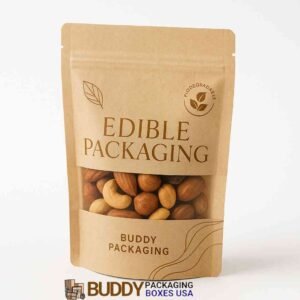
Many businesses now choose recyclable and biodegradable materials to meet growing consumer demand for sustainable packaging. Eco-friendly options also improve brand reputation and appeal to environmentally conscious buyers.
Creating an Attractive Packaging Design
Learning how to make custom packaging requires balancing creativity with functionality. Beautiful packaging should also be practical.
Start by establishing your brand identity. Colors, typography, logos, and graphics should remain consistent across all products. Consistency strengthens brand recognition.
Keep the design clean and easy to understand. Too much information can overwhelm customers. Focus on highlighting your logo, product name, and essential product details.
White space also plays an important role. It helps important design elements stand out while making the package look more elegant.
High-quality printing enhances the final appearance. Sharp graphics and vibrant colors create a professional finish that reflects positively on your brand.
Packaging Dimensions and Product Fit
One of the biggest mistakes businesses make while learning how to make custom packaging is choosing incorrect dimensions.
Packaging should fit the product securely without excessive empty space. Products that move inside the package are more likely to become damaged during shipping.
Protective inserts made from cardboard, molded pulp, or foam help secure delicate items. Inserts also create a more premium presentation during the unboxing experience.
Accurate sizing reduces shipping expenses because carriers often calculate prices based on package dimensions.
Branding Through Custom Packaging
Branding is one of the strongest reasons businesses invest time in learning how to make custom packaging.
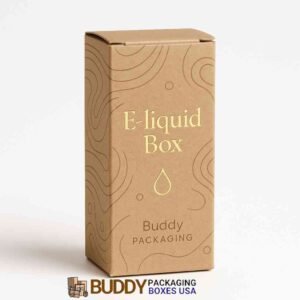
Every package should instantly communicate your company’s personality. Minimalist brands often use simple color schemes with elegant typography. Luxury brands frequently choose premium finishes such as embossing, foil stamping, or matte lamination.
Small details matter. Thank-you cards, branded tissue paper, custom stickers, and printed inserts help customers remember your business.
Companies selling products such as bed sheet packaging often use elegant colors and premium finishes to reflect comfort and quality. Similarly, manufacturers producing contact lens boxes focus on clean graphics, clear product information, and durable materials that protect sensitive products.
Printing Options for Custom Packaging
Printing technology directly affects the final appearance of custom packaging.
Digital printing works well for smaller production runs because setup costs remain relatively low. It also allows quick design changes.
Offset printing becomes more cost-effective for large quantities while producing exceptional image quality.
Flexographic printing is commonly used for corrugated boxes and high-volume manufacturing.
Choosing the right finish further improves appearance. Gloss coatings produce vibrant colors, while matte coatings create a sophisticated look. Soft-touch coatings provide a luxurious feel that customers often remember.
Sustainable Packaging Solutions
Modern consumers increasingly value environmentally responsible businesses. Therefore, understanding sustainable practices is an important part of how to make custom packaging.
Many brands now reduce unnecessary packaging materials while selecting recyclable paper and cardboard.
Water-based inks reduce environmental impact compared to some traditional alternatives. Compostable mailers and biodegradable fillers further support sustainability goals.
Minimalist packaging designs also reduce waste while lowering production costs.
Eco-friendly packaging demonstrates that your business values both customers and the environment.
Cost Considerations When Making Custom Packaging
Budget planning is essential when learning how to make custom packaging.
Material quality, printing methods, box style, order quantity, and finishing options all affect overall costs.
Ordering larger quantities generally lowers the cost per unit. However, businesses should avoid ordering excessive inventory before confirming customer demand.
Simple packaging designs often deliver excellent branding without unnecessary expenses.
Balancing appearance, durability, and affordability creates the best long-term value.
Common Mistakes to Avoid
Many businesses focus entirely on appearance while forgetting functionality. Attractive packaging cannot compensate for products damaged during shipping.
Low-resolution artwork results in blurry printing that reduces brand credibility.
Ignoring customer experience also limits packaging effectiveness. Easy-to-open packages create positive impressions, while difficult packaging frustrates customers.
Another common mistake involves inconsistent branding. Every package should reflect the same visual identity across your entire product range.
Testing prototypes before full production helps identify potential problems early.
Custom Packaging Comparison
| Packaging Element | Importance | Business Benefit |
| Product Fit | Prevents movement | Better product protection |
| Material Quality | Increases durability | Lower damage rates |
| Branding | Improves recognition | Higher customer loyalty |
| Printing Quality | Creates professionalism | Strong first impression |
| Sustainable Materials | Supports eco-friendly goals | Positive brand image |
| Protective Inserts | Secures fragile items | Better customer satisfaction |
| Premium Finishes | Enhances appearance | Greater perceived value |
How to Make Custom Packaging That Customers Remember
The best way to master how to make custom packaging is by focusing on the complete customer experience.
Packaging should feel intentional from the moment customers receive it. Every color, texture, and printed message should reinforce your brand values.
A memorable unboxing experience increases customer satisfaction and encourages positive reviews. Happy customers often recommend brands that invest in thoughtful packaging.
Businesses should regularly evaluate customer feedback and update packaging designs when necessary. Consumer preferences change over time, and packaging should evolve accordingly.
Successful custom packaging combines creativity, protection, sustainability, and strong branding into one complete solution.
FAQs About How to Make Custom Packaging
How do I make custom packaging for my product?
Start by measuring your product accurately. Choose suitable materials, create a branded design, select a printing method, and test prototypes before mass production. This process ensures your packaging protects the product while representing your brand professionally.
What material is best for custom packaging?
Cardboard and corrugated board remain the most popular materials because they offer strength, affordability, and excellent print quality. Premium products may use rigid boxes, while eco-conscious brands often choose recyclable materials.
Is custom packaging expensive?
The cost depends on materials, printing methods, finishes, and order quantity. Small businesses can begin with simple packaging designs and upgrade as their sales grow.
Can I make eco-friendly custom packaging?
Yes. Many businesses now use recyclable cardboard, biodegradable fillers, water-based inks, and minimal packaging designs to reduce environmental impact while maintaining attractive branding.
Why is custom packaging important for branding?
Custom packaging strengthens brand recognition, improves customer experience, protects products, and increases perceived product value. Memorable packaging often encourages repeat purchases and positive word-of-mouth recommendations.
Conclusion
Learning how to make custom packaging is one of the smartest investments for any business. Well-designed packaging protects products, strengthens branding, enhances customer satisfaction, and supports long-term growth. Every detail, from material selection to printing quality, contributes to the overall customer experience. By combining functionality with creative design and sustainable materials, businesses can create packaging that leaves a lasting impression. If you want your products to stand out in a competitive market, now is the perfect time to invest in custom packaging that reflects your brand and delivers an exceptional experience with every order.
buddypackagingco.com is a reliable platform offering high-quality packaging solutions for various industries. From custom boxes to eco-friendly materials, it provides durable and affordable options. The website ensures fast service, modern designs, and customer satisfaction, making it a trusted choice for businesses looking for professional packaging services online.