Introduction
Creating custom packaging is one of the smartest investments for any business. Whether you sell handmade products, cosmetics, food items, clothing, or electronics, the right packaging creates a lasting impression. Many business owners search for how to make your own packaging: Full Application Cost Guide because they want affordable solutions that also look professional.
Packaging is more than a protective layer. It represents your brand, builds customer trust, and influences buying decisions. When customers receive a well-designed package, they often remember the experience and are more likely to purchase again.
Why Custom Packaging Matters
Every successful brand understands the value of presentation. Before customers experience your product, they see the packaging. That first impression shapes expectations about quality and professionalism.
Custom packaging also strengthens your brand identity. Colors, typography, logos, and packaging style all work together to communicate your business values. Instead of using plain boxes, businesses benefit from personalized designs that make products recognizable.
Furthermore, quality packaging protects products during shipping. Damaged items lead to unhappy customers and unnecessary replacement costs. Therefore, investing in suitable packaging saves money over time.
Understanding How to Make Your Own Packaging
When people search for how to make your own packaging: Full Application Cost Guide, they often expect expensive manufacturing processes. Fortunately, creating custom packaging is much more accessible today.
Modern printing technologies allow businesses of every size to order customized packaging in small or large quantities. Whether you operate from home or manage an established company, there are solutions that fit almost every budget.
The first step is understanding your product dimensions. Packaging should fit comfortably without wasting space. Oversized packaging increases shipping expenses, while packaging that is too small risks damaging the product.
After measuring your product accurately, you can begin selecting suitable packaging materials and customization options.
Choosing the Right Packaging Material
Material selection directly affects both cost and product protection. Cardboard remains one of the most popular options because it balances affordability with durability.
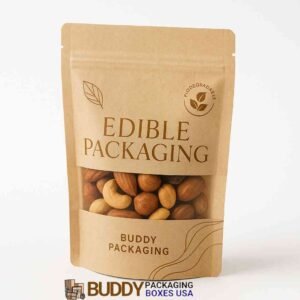
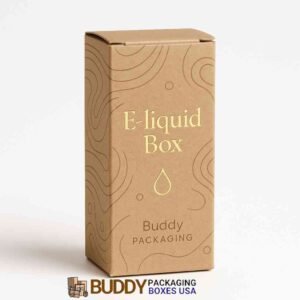
Corrugated cardboard provides excellent protection for heavier products. Folding cartons work well for lightweight retail items. Kraft paper packaging appeals to environmentally conscious customers and supports sustainable branding.
Many businesses also combine different materials to improve appearance while maintaining strength. Tissue paper, inserts, protective padding, and printed sleeves all enhance the customer experience without dramatically increasing costs.
The material should always match your product category. Fragile products require stronger protection than lightweight accessories or clothing.
Designing Packaging That Represents Your Brand
An attractive design does much more than look beautiful. It communicates professionalism and builds customer confidence. our packaging should include your logo, brand colors, product information, and any required legal details. However, avoid overcrowding the design with unnecessary graphics or excessive text.
Simple and clean packaging often appears more premium than overly complicated designs. Consistency across all packaging also strengthens brand recognition.
Typography deserves careful attention. Fonts should remain easy to read while matching your brand personality. Color choices should complement your logo and create a memorable visual identity.
Printing Options for Custom Packaging
Printing technology has improved significantly over recent years. Businesses now have multiple choices depending on budget and production volume. Digital printing works well for small quantities because setup costs remain relatively low. Offset printing becomes more economical for large production runs and delivers exceptional print quality.
Some businesses also choose specialty finishes such as matte lamination, gloss coating, foil stamping, embossing, or spot UV printing. These premium options increase production costs but also create a luxurious appearance that customers appreciate. Choosing the appropriate printing method depends on your budget, order quantity, and branding objectives.
Understanding Packaging Costs
Order quantity plays a major role as well. Larger production runs usually reduce the cost per unit because setup expenses spread across more products. Additional features such as inserts, magnetic closures, ribbons, windows, or custom shapes increase manufacturing costs. However, these features may improve customer satisfaction and justify higher product pricing.
Shipping expenses should also be considered. Larger or heavier packaging increases transportation costs, making efficient design an important financial decision.
Creating Sustainable Packaging
Sustainability has become increasingly important for both businesses and consumers. Eco-friendly packaging reduces environmental impact while improving brand reputation.
Many companies now choose recyclable cardboard, biodegradable materials, soy-based inks, and minimal packaging designs. These choices demonstrate environmental responsibility without sacrificing product protection.
Customers increasingly prefer brands that invest in sustainable packaging. As a result, environmentally friendly solutions often contribute to stronger customer loyalty and positive online reviews. Reducing unnecessary packaging also lowers production and shipping expenses, creating benefits for both businesses and the environment.
Finding Reliable Packaging Suppliers
Before placing large orders, request product samples. Examining physical samples allows you to evaluate print quality, material strength, color accuracy, and overall construction. Clear communication also prevents costly mistakes. Provide accurate measurements, artwork files, and production specifications before approving final designs.
Long-term partnerships with experienced packaging manufacturers often lead to better pricing and smoother production processes.
Businesses seeking premium cable packaging solutions can explore for customized packaging designed to protect products while maintaining professional brand presentation.
Common Mistakes to Avoid
Many first-time business owners focus only on appearance while ignoring practical considerations.
Packaging that looks attractive but fails to protect products creates customer dissatisfaction. Likewise, choosing oversized packaging increases shipping costs without adding value. Ignoring branding consistency is another common mistake. Every package should reinforce your company’s visual identity.
Poor-quality printing may also damage your brand image. Investing in professional printing ensures customers receive packaging that reflects product quality.
Finally, always test packaging before launching full production. Trial shipments help identify weaknesses before they affect customers.
How Custom Packaging Improves Customer Experience
Today’s customers expect more than functional packaging. Unboxing has become an important part of the buying experience, particularly for online shopping.
Thoughtfully designed packaging creates excitement and encourages customers to share their purchases on social media. User-generated content provides valuable marketing exposure without additional advertising costs.
Protective inserts, thank-you cards, branded tissue paper, and personalized messages all contribute to memorable customer experiences.
Positive unboxing experiences often translate into repeat purchases and stronger customer loyalty.
Packaging for Different Business Types
Every industry has unique packaging requirements. Food businesses prioritize hygiene and freshness. Cosmetic brands emphasize elegance and premium finishes. Electronics require protective cushioning to prevent damage during transportation. Fashion businesses often focus on presentation because customers associate attractive packaging with higher product value.
Likewise, gift businesses benefit from decorative packaging that eliminates the need for additional wrapping.
Businesses selling baked products can also improve product presentation with professionally designed dessert boxes available at , helping products remain secure while enhancing customer satisfaction.
Future Trends in Custom Packaging
Packaging continues evolving alongside consumer expectations and technology. Smart packaging, QR codes, recyclable materials, minimalist designs, and personalized printing are becoming increasingly popular.
Brands also use packaging to tell stories about their values, sustainability efforts, and product origins. Customers appreciate transparency and authenticity.
Digital customization allows businesses to create limited-edition packaging for seasonal promotions, product launches, or marketing campaigns without excessive production costs.
As technology advances, even small businesses gain access to professional packaging solutions previously available only to large corporations.
Conclusion
Understanding how to make your own packaging: Full Application Cost Guide helps businesses make informed decisions that improve branding, customer satisfaction, and long-term profitability. Custom packaging is not simply an expense. It is an investment that strengthens your business identity and creates memorable customer experiences.
Start by understanding your product requirements, selecting suitable materials, designing consistent branding, and partnering with experienced packaging manufacturers. Focus on balancing quality with affordability while keeping customer expectations at the center of every decision.
Well-designed packaging boxes do more than protect a product—they create a memorable first impression and strengthen your brand identity. Choosing the right materials, colors, typography, and box style helps improve functionality while attracting customers. If you want to learn the essentials of creating attractive and practical packaging, explore this guide on how to design packaging box for expert tips and inspiration.
Frequently Asked Questions
What is the cheapest way to make your own packaging?
Using recyclable cardboard with digital printing is often the most affordable option for small businesses. Ordering moderate quantities also helps reduce costs.
How much does custom packaging usually cost?
The cost depends on material, printing, size, finishes, and order quantity. Simple packaging costs much less than premium luxury boxes with special finishes.
Can small businesses create custom packaging?
Yes. Many manufacturers now offer low minimum order quantities, making custom packaging accessible for startups and growing businesses.
Which material is best for custom packaging?
Corrugated cardboard works well for shipping products, while folding cartons suit retail items. Kraft packaging is an excellent eco-friendly choice.
Does custom packaging increase sales?
Professional packaging improves brand recognition, creates better first impressions, enhances customer experience, and can encourage repeat purchases, contributing to higher sales over time.