When it comes to launching a food product, the packaging is just as crucial as the taste. Choosing the right food packaging for your product can make or break customer perception, shelf life, and overall success. Beyond simply holding your product, packaging communicates your brand story, ensures safety, and boosts consumer trust. Whether you’re selling baked goods, fresh produce, or specialty items, understanding your options can transform the way customers experience your product.
Why Food Packaging Matters
Food packaging is more than a container. It plays a key role in protecting your product from contamination, preserving freshness, and extending shelf life. For businesses, it also serves as a marketing tool, attracting customers with design, texture, and usability. Poor packaging can result in product damage, increased returns, and negative reviews, while well-chosen packaging elevates brand perception. When selecting packaging, consider both functional and visual aspects to achieve the best balance.
Packaging also influences sustainability and environmental responsibility. Consumers increasingly favor brands that minimize waste and use eco-friendly materials. Opting for recyclable, biodegradable, or reusable packaging demonstrates commitment to environmental responsibility and can strengthen customer loyalty. At the same time, innovative packaging can differentiate your product in a crowded market, making it stand out on the shelf or online.
Understanding Your Product’s Needs
Every food product has unique requirements. Perishable items like fresh fruits, vegetables, or dairy need packaging that controls moisture, temperature, and air exposure. Baked goods, chocolates, and confections often require protective packaging to prevent crushing or melting. Spices and dried goods need airtight containers to maintain flavor and aroma. Understanding your product’s physical and chemical characteristics ensures the packaging you select preserves quality from production to consumption.
Consider also the portion size and serving style. Single-serve items may benefit from individual packaging for convenience and hygiene, whereas bulk items may require larger containers with resealable options. Packaging that aligns with how your product is consumed adds both practicality and customer satisfaction. For example, dessert makers can enhance customer experience with stylish, sturdy dessert boxes that make presentation as appealing as taste.
Materials and Sustainability
Selecting the right materials is essential for both product safety and brand positioning. Common food packaging materials include paper, cardboard, plastics, glass, and metal. Each has advantages and limitations depending on your product. For instance, glass is non-reactive and preserves taste but is heavier and fragile. Plastics are lightweight and versatile but can raise environmental concerns.
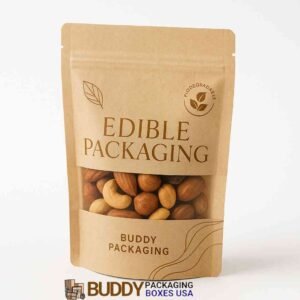
Sustainable packaging options are increasingly popular. Biodegradable plastics, recycled paper, and compostable containers reduce environmental impact while maintaining durability. Brands that prioritize eco-friendly materials often gain recognition and consumer trust. Moreover, sustainability can be a key selling point in marketing campaigns, resonating with environmentally conscious buyers and improving brand perception.
Functionality and Protection
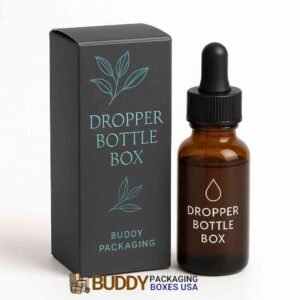
Packaging must protect your product from external factors such as moisture, light, oxygen, and physical damage. For sensitive products like CBD oils, specialized packaging like CBD massage oil packaging ensures product integrity and compliance with regulations. Similarly, baked goods require boxes that prevent crushing and maintain freshness, while beverages need leak-proof containers.
Functionality also includes ease of use for consumers. Packaging should be simple to open, resealable if necessary, and convenient for storage. Functional packaging reduces product waste and enhances customer satisfaction. A balance of protection and user-friendly design is crucial to create a memorable experience that keeps customers returning.
Branding and Aesthetic Appeal
Packaging is a silent salesperson. It communicates brand identity, values, and quality at a glance. Design elements such as color, typography, logo placement, and textures help convey your brand story. Premium packaging can suggest high quality, while eco-friendly packaging signals environmental responsibility.
Visual appeal impacts purchasing decisions, especially for food products in competitive markets. Customers often associate attractive packaging with better quality and are more likely to make impulse purchases when the presentation is appealing. A strong brand identity reflected in packaging fosters recognition and loyalty, helping your product stand out online and in retail stores.
Compliance and Labeling
Food packaging must comply with safety and labeling regulations. Ingredients, allergens, nutritional information, and expiration dates are often required by law. Incorrect or misleading labeling can lead to legal issues and damage trust. Choosing packaging that supports clear, readable labeling ensures compliance and boosts transparency with consumers.
Labels should also complement your design, reinforcing brand aesthetics while delivering essential information. High-quality printing and materials help maintain legibility and durability, even in refrigerated or high-moisture environments. Compliance, combined with appealing design, balances functionality and marketing effectiveness.
Cost Considerations
While premium packaging may enhance brand perception, it comes with higher costs. Assess your budget in relation to the expected return on investment. Consider factors such as production scale, shipping requirements, and storage space. Sometimes, investing in durable, high-quality packaging reduces losses from damaged products and increases customer satisfaction, offsetting initial expenses.
Affordable options do not necessarily mean low quality. Many innovative materials and designs provide durability and aesthetics at a reasonable price. Evaluate suppliers carefully to ensure your packaging meets both functional and financial goals. Strategic packaging decisions can improve profitability while strengthening brand appeal.
Emerging Trends in Food Packaging
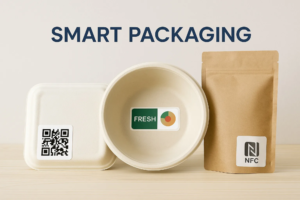
The food packaging industry continues to evolve with technological innovations and consumer demands. Smart packaging, for example, includes QR codes for product tracking or interactive experiences. Minimalist and eco-friendly designs are increasingly popular, reflecting growing environmental awareness.
Brands are also experimenting with reusable packaging and refillable containers to reduce waste and increase consumer engagement. Keeping up with these trends can help your product stay relevant, attract new audiences, and reinforce a modern, sustainable brand image.
Make Your Packaging Work for You
Choosing the right food packaging for your product requires careful consideration of functionality, protection, branding, and sustainability. The right packaging safeguards your product, communicates your brand story, and enhances customer experience. By understanding your product’s needs and evaluating materials, usability, and aesthetics, you can create packaging that supports both sales and customer satisfaction.
Invest in packaging that tells your story and preserves your product’s quality. Explore options like dessert boxes for baked goods or specialized CBD massage oil packaging to maintain integrity and stand out in a competitive market. Start designing packaging that elevates your product today.
FAQ
What type of packaging is best for baked goods?
Baked goods benefit from sturdy, moisture-resistant boxes that protect shape and freshness. Clear windows can enhance visual appeal.
How do I choose eco-friendly packaging?
Look for biodegradable, recyclable, or compostable materials that align with your brand’s sustainability goals.
Why is packaging important for food products?
Packaging preserves freshness, protects from contamination, communicates brand identity, and improves customer experience.
Can packaging affect product sales?
Yes. Attractive, functional packaging can increase consumer trust, encourage purchases, and differentiate your product in a competitive market.
How do I ensure packaging complies with regulations?
Check local food safety and labeling laws. Ensure packaging supports clear ingredient, allergen, and nutritional information.