Introduction
Understanding what is advance packaging has become increasingly important in today’s manufacturing, electronics, retail, and logistics industries. As products become more sophisticated and customer expectations continue to rise, traditional packaging methods often fail to meet modern requirements. This is where advanced packaging comes into play, offering innovative solutions that improve product protection, functionality, sustainability, and overall performance.
When discussing what is advance packaging, the term refers to modern packaging technologies and techniques designed to enhance product safety, improve supply chain efficiency, reduce environmental impact, and add value to the end-user experience. Advanced packaging goes beyond simply enclosing a product. Instead, it integrates smart materials, innovative designs, and specialized engineering to meet specific industry needs.
Businesses across industries are increasingly investing in advanced packaging because it helps reduce product damage, lower transportation costs, improve branding opportunities, and support sustainability initiatives. As technology continues to evolve, advanced packaging is becoming a critical component of successful product development and distribution strategies.
What Is Advance Packaging and Why Does It Matter?
The simplest answer to what is advance packaging is that it involves the use of innovative packaging materials, structures, and technologies that provide enhanced functionality compared to conventional packaging solutions.
Advanced packaging is designed to solve complex challenges that standard packaging cannot address effectively. For example, electronic devices require packaging that protects sensitive components from moisture, heat, and physical damage. Similarly, food products often need specialized packaging to extend shelf life and maintain freshness.
The importance of advanced packaging continues to grow because consumers expect higher product quality, faster delivery, and environmentally responsible solutions. Businesses that adopt advanced packaging often gain a competitive advantage by improving customer satisfaction while reducing operational risks.
Key Characteristics of Advanced Packaging
Advanced packaging typically combines multiple features that improve product performance throughout its lifecycle. These features may include enhanced protection, intelligent tracking capabilities, sustainable materials, lightweight designs, and improved aesthetics.
Unlike traditional packaging, advanced packaging is often customized to meet the unique requirements of specific products and industries. This customization allows companies to maximize efficiency while minimizing waste and transportation costs.
The Evolution of Packaging Technology
Packaging has undergone significant transformation over the years. Historically, packaging served a basic purpose: containing and protecting products during transportation. However, changing consumer expectations and technological advancements have expanded the role of packaging considerably.
Modern businesses now view packaging as an essential part of the customer experience. As a result, packaging solutions have become more sophisticated, incorporating innovative materials and technologies that provide additional benefits beyond protection.
The rise of e-commerce has accelerated the demand for advanced packaging. Products shipped directly to consumers face unique challenges during transit, making durable and intelligent packaging solutions more important than ever before.
Types of Advanced Packaging Technologies
Different industries utilize various forms of advanced packaging depending on their specific needs. The technology behind advanced packaging continues to evolve rapidly, creating new opportunities for businesses to enhance product performance and customer satisfaction.
| Advanced Packaging Type | Primary Purpose | Key Benefits |
|---|---|---|
| Smart Packaging | Product monitoring and tracking | Improved visibility and customer engagement |
| Sustainable Packaging | Environmental responsibility | Reduced waste and carbon footprint |
| Protective Packaging | Damage prevention | Enhanced product safety |
| Active Packaging | Product preservation | Extended shelf life |
| Flexible Packaging | Space and cost efficiency | Reduced transportation costs |
| Electronic Packaging | Component protection | Better performance and reliability |
Advanced Packaging in the Electronics Industry
One of the most significant applications of advanced packaging can be found in the electronics sector. Semiconductor manufacturers use advanced packaging technologies to improve chip performance, reduce size, and enhance reliability.
In electronics, advanced packaging involves integrating multiple components into compact systems that deliver superior functionality. These innovations support the development of smartphones, wearable devices, artificial intelligence systems, and high-performance computing solutions.
As electronic devices become smaller and more powerful, the importance of advanced packaging continues to increase. Manufacturers rely on these technologies to achieve higher levels of performance while maintaining product durability.
How Advanced Packaging Improves Product Protection
Product protection remains one of the primary reasons businesses invest in advanced packaging solutions. Modern packaging technologies provide superior resistance to impact, vibration, moisture, temperature fluctuations, and contamination.
By using advanced materials and engineering techniques, companies can significantly reduce product damage during storage and transportation. This reduction in damage leads to lower replacement costs, fewer customer complaints, and improved brand reputation.
Additionally, advanced packaging often includes tamper-evident features that enhance product security and consumer confidence.
The Role of Sustainability in Advanced Packaging
Sustainability has become a major driving force behind packaging innovation. Companies are increasingly seeking environmentally friendly solutions that reduce waste while maintaining product protection and functionality.
Advanced packaging supports sustainability goals through the use of recyclable materials, biodegradable components, lightweight designs, and resource-efficient manufacturing processes.
Organizations that prioritize sustainable packaging often experience positive customer perceptions and improved compliance with environmental regulations. According to the environmental initiatives promoted by the reducing packaging waste plays an important role in global sustainability efforts.
Advanced Packaging and Supply Chain Efficiency
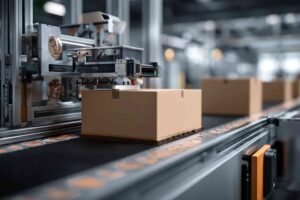
Supply chain optimization is another major advantage associated with advanced packaging technologies. Well-designed packaging can improve storage efficiency, reduce shipping costs, and streamline handling processes.
When businesses understand what is advance packaging and implement it effectively, they often achieve measurable improvements in logistics performance. Lightweight packaging reduces transportation expenses, while durable materials minimize product losses caused by damage.
Furthermore, smart packaging solutions equipped with tracking technologies provide real-time visibility throughout the supply chain. This enhanced transparency enables businesses to make better operational decisions and respond quickly to potential issues.
Smart Packaging: The Future of Product Interaction
Smart packaging represents one of the most exciting developments within advanced packaging. These solutions incorporate technologies such as QR codes, RFID tags, sensors, and digital communication features.
Consumers can interact with smart packaging to access product information, verify authenticity, receive promotional content, or track product origins. Businesses benefit from increased customer engagement and valuable data collection opportunities.
As Internet of Things (IoT) technologies continue to expand, smart packaging is expected to become increasingly common across multiple industries.
Advanced Packaging for Food and Beverage Products
The food and beverage industry relies heavily on advanced packaging to maintain product quality and safety. Specialized packaging solutions help extend shelf life, preserve freshness, and prevent contamination.
Active packaging technologies can regulate moisture levels, absorb oxygen, and control microbial growth. These capabilities help reduce food waste while ensuring consumers receive high-quality products.
Organizations involved in food packaging frequently reference guidelines from the to ensure compliance with safety standards and best practices.
The Importance of Customization in Advanced Packaging
Customization plays a crucial role in maximizing the effectiveness of advanced packaging solutions. Every product has unique requirements that influence packaging design, material selection, and performance specifications.
Businesses often work closely with packaging experts to develop tailored solutions that address specific challenges. Customized packaging can improve product presentation, enhance protection, and strengthen brand identity.
For companies seeking specialized packaging options, solutions such as christmas boxes can provide both functional and marketing advantages. Similarly, premium packaging solutions like custom 00ml bottle boxes help brands create a professional and memorable customer experience.
Cost Benefits of Advanced Packaging
Although advanced packaging may involve higher initial investment costs, it often delivers substantial long-term savings. Reduced product damage, lower shipping expenses, improved operational efficiency, and enhanced customer satisfaction contribute to a positive return on investment.
Many organizations discover that advanced packaging solutions reduce overall supply chain costs by minimizing waste and improving product handling efficiency. These benefits frequently outweigh the initial implementation expenses.
Moreover, advanced packaging can support premium pricing strategies by increasing perceived product value and improving brand differentiation.
Challenges Associated with Advanced Packaging
Despite its many advantages, advanced packaging also presents certain challenges. Companies must carefully evaluate material costs, technological requirements, regulatory compliance, and implementation complexity.
Successful adoption often requires collaboration between packaging engineers, manufacturers, logistics specialists, and marketing teams. Organizations must also stay informed about emerging technologies and industry trends to maintain competitiveness.
However, businesses that invest strategically in advanced packaging typically find that the benefits significantly outweigh the challenges.
Future Trends in Advanced Packaging
The future of advanced packaging looks promising as new technologies continue to emerge. Artificial intelligence, smart sensors, sustainable materials, and digital connectivity are expected to play increasingly important roles.
Packaging solutions will likely become more intelligent, interactive, and environmentally friendly. Consumers will benefit from improved product experiences, while businesses will gain access to enhanced operational insights and efficiencies.
Industry experts anticipate continued growth in smart packaging adoption as companies seek innovative ways to differentiate themselves in competitive markets.
Understanding what is advance packaging is essential for businesses seeking to improve product protection, customer satisfaction, operational efficiency, and sustainability. Advanced packaging represents far more than a protective container. It is a strategic tool that enhances product value throughout the entire supply chain.
Frequently Asked Questions (FAQs)
What is advance packaging in simple terms?
Advanced packaging refers to innovative packaging technologies and materials designed to improve product protection, functionality, sustainability, and customer experience compared to traditional packaging methods.
Why is advanced packaging important?
Advanced packaging helps reduce product damage, improve supply chain efficiency, support sustainability goals, and enhance overall product performance.
Which industries use advanced packaging?
Industries including electronics, food and beverage, pharmaceuticals, retail, logistics, and e-commerce commonly use advanced packaging solutions.
How does advanced packaging support sustainability?
Advanced packaging uses recyclable materials, lightweight designs, biodegradable components, and efficient manufacturing processes to reduce environmental impact.
What is smart packaging?
Smart packaging incorporates technologies such as sensors, RFID tags, and QR codes to provide tracking, monitoring, authentication, and interactive consumer experiences.
Is advanced packaging expensive?
While initial costs may be higher than traditional packaging, advanced packaging often generates long-term savings through reduced product damage, lower shipping costs, and improved operational efficiency.From electronics and food products to retail and e-commerce applications, advanced packaging technologies continue to transform industries worldwide. As innovation accelerates, businesses that embrace advanced packaging solutions will be better positioned to meet evolving market demands and achieve long-term success.