Introduction
Understanding how to design product packaging is essential for any business that wants to stand out in a competitive market. Packaging is often the first physical interaction a customer has with a product, making it a powerful marketing tool. Effective packaging does more than protect an item; it communicates brand values, creates emotional connections, and influences purchasing decisions.
In today’s retail and eCommerce environment, customers judge products within seconds. A well-designed package can increase perceived value, improve customer trust, and encourage repeat purchases. Whether you are launching a new product or refreshing an existing one, learning how to design product packaging can significantly impact your brand’s success. This guide explores every stage of the packaging design process, from understanding your audience to creating a memorable customer experience.
Why Product Packaging Matters in Modern Marketing
Product packaging plays a critical role in branding and customer engagement. Consumers are exposed to thousands of products daily, both online and in stores. Because of this, packaging must capture attention quickly while clearly communicating the product’s purpose and benefits.
When businesses understand how to design product packaging, they gain the ability to differentiate themselves from competitors. Packaging can convey quality, sustainability, luxury, affordability, or innovation without requiring extensive advertising. The right design creates an immediate impression and reinforces brand recognition over time.
Packaging also influences customer perception. Studies consistently show that attractive packaging increases the likelihood of purchase. In addition, premium packaging can justify higher pricing by enhancing the perceived value of a product.
Understanding Your Target Audience Before Designing Packaging
Before creating any packaging design, it is important to understand who will buy the product. Successful packaging reflects the preferences, needs, and expectations of a specific audience.
A product aimed at young consumers may benefit from vibrant colors and modern typography. In contrast, luxury products often use minimalist designs, premium materials, and sophisticated finishes. Understanding demographic details such as age, lifestyle, purchasing habits, and interests allows brands to create packaging that resonates with customers.
When considering how to design product packaging, customer research should guide every design decision. Packaging that aligns with consumer expectations creates trust and increases the likelihood of purchase.
The Essential Elements of Effective Product Packaging Design
Packaging design combines multiple visual and functional elements. Each component contributes to the overall customer experience and brand perception.
| Packaging Element | Purpose | Impact on Customer |
|---|---|---|
| Color Scheme | Creates visual appeal | Influences emotions and recognition |
| Typography | Communicates information | Enhances readability and branding |
| Materials | Protects the product | Affects perceived quality |
| Graphics | Supports brand storytelling | Increases engagement |
| Structure | Improves functionality | Enhances user experience |
| Finishes | Adds premium appearance | Boosts perceived value |
Every element should work together to create a cohesive brand message. Consistency across all packaging materials strengthens brand identity and improves customer recall.
Creating a Strong Brand Identity Through Packaging
Brand identity is one of the most important factors in learning how to design product packaging. Packaging should immediately communicate who you are as a company and what makes your product unique.
A recognizable logo, consistent color palette, and distinctive visual style help customers identify your products quickly. Strong branding creates familiarity, which can influence buying decisions. Customers often choose products they recognize because familiarity builds confidence.
Successful brands use packaging as an extension of their marketing strategy. Every design choice should support the company’s overall message and values. This consistency strengthens customer loyalty and contributes to long-term brand growth.
Choosing the Right Packaging Materials
Material selection affects both functionality and perception. Customers increasingly value sustainability, making eco-friendly materials a popular choice across industries.
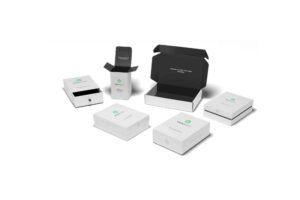
The material should protect the product while supporting the desired brand image. Cardboard, corrugated packaging, rigid boxes, biodegradable materials, and recyclable options all offer unique advantages depending on the product category.
Businesses selling premium candles often benefit from high-quality candle boxes that combine durability with attractive branding. High-end materials communicate quality and help create a memorable unboxing experience.
Selecting the right material is a fundamental step in understanding how to design product packaging effectively.
The Role of Color Psychology in Packaging Design
Colors influence customer emotions and purchasing behavior. Different colors communicate different messages and can shape perceptions before customers even read the packaging text.
Blue often represents trust and reliability. Green is associated with nature and sustainability. Black conveys sophistication and luxury, while red creates excitement and urgency.
The best packaging designs use colors strategically to align with brand values and customer expectations. Consistent color usage also strengthens brand recognition, making products easier to identify in crowded marketplaces.
Typography and Messaging That Drive Sales
Typography affects both readability and visual appeal. Fonts should complement the brand personality while ensuring product information remains clear.
The messaging on packaging should focus on customer benefits rather than simply describing features. Clear communication helps customers quickly understand why the product meets their needs.
When exploring how to design product packaging, businesses should balance creativity with clarity. Overly complex designs may confuse customers, while simple and focused messaging improves engagement and conversion rates.
Designing Packaging for Retail Shelves and eCommerce
Packaging requirements differ between physical stores and online marketplaces. Retail packaging must compete visually with surrounding products, while eCommerce packaging must create a positive unboxing experience.
In retail environments, packaging should capture attention from a distance. Bold visuals, strong branding, and clear product descriptions improve visibility. For online sales, packaging should protect products during shipping while reinforcing brand identity upon arrival.
As eCommerce continues to grow, businesses must consider both environments when deciding how to design product packaging.
Creating a Memorable Unboxing Experience
Modern consumers frequently share unboxing experiences on social media. This trend has transformed packaging into a valuable marketing asset.
A memorable unboxing experience combines visual appeal, functionality, and emotional engagement. Thoughtful details such as custom inserts, branded tissue paper, and personalized messages can create positive customer impressions.
Brands that invest in packaging experiences often benefit from increased customer loyalty and organic social media exposure. These experiences help transform one-time buyers into long-term advocates.
Sustainable Packaging Design and Consumer Expectations
Sustainability is no longer optional for many consumers. Businesses that prioritize environmentally responsible packaging often gain a competitive advantage.
Eco-friendly packaging reduces waste while demonstrating corporate responsibility. Customers increasingly seek brands that align with their environmental values. As a result, sustainable materials and minimalist packaging designs have become popular across many industries.
When learning how to design product packaging, sustainability should be considered from the beginning of the design process rather than added as an afterthought.
Packaging Compliance and Regulatory Considerations
Packaging must comply with industry regulations and legal requirements. Product labels often require specific information such as ingredients, safety instructions, manufacturing details, or nutritional facts.
Failure to meet regulatory standards can lead to penalties and damage brand credibility. Therefore, businesses should verify compliance requirements before finalizing packaging designs.
Professional packaging designers often collaborate with legal and regulatory experts to ensure all necessary information is included accurately.
Packaging Design for Specialized Product Categories
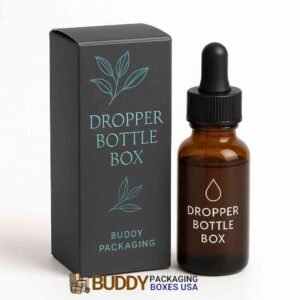
Different industries require unique packaging approaches. Beauty products often emphasize elegance and premium finishes, while food packaging prioritizes freshness and safety.
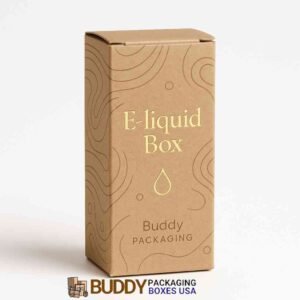
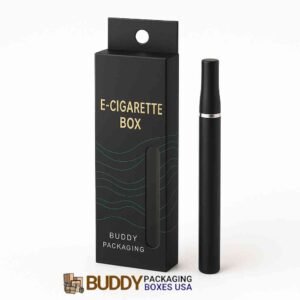
Companies in the vaping industry frequently use specialized e-cigarette boxes designed to protect products while complying with labeling regulations. These packaging solutions balance functionality, branding, and legal requirements.
Industry-specific considerations play an important role in determining how to design product packaging successfully.
Testing and Refining Your Packaging Design
Even the most experienced designers test packaging before full-scale production. Feedback helps identify opportunities for improvement and ensures the design performs effectively in real-world conditions.
Testing may involve customer surveys, prototype reviews, retail simulations, or shipping evaluations. Insights gained during testing can lead to refinements that improve both functionality and customer satisfaction.
Continuous improvement helps brands stay relevant as consumer preferences evolve over time.
Learning from Successful Packaging Brands
Many of the world’s most recognizable brands invest heavily in packaging design because they understand its value. Companies such as Apple, Coca-Cola, and Nike have created iconic packaging that reinforces their brand identities.
These brands demonstrate that successful packaging combines aesthetics, functionality, and consistency. Their packaging strategies provide valuable lessons for businesses seeking to improve their own product presentation.
FAQ: How to Design Product Packaging
What is the first step in designing product packaging?
The first step is understanding your target audience and defining your brand identity. This foundation guides all design decisions and ensures packaging resonates with customers.
How important is packaging design for sales?
Packaging significantly influences purchasing decisions. Attractive and functional packaging can improve brand perception, increase product visibility, and boost sales.
What materials are best for sustainable packaging?
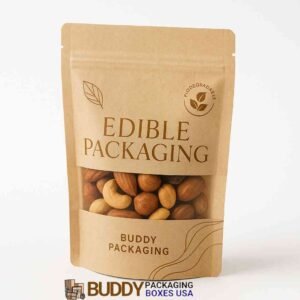
Recyclable cardboard, biodegradable materials, compostable packaging, and responsibly sourced paper products are commonly used sustainable options.
How does packaging affect brand recognition?
Consistent packaging design strengthens brand identity by making products easier for customers to recognize and remember.
Should packaging be different for online and retail sales?
Yes. Retail packaging focuses on shelf visibility, while eCommerce packaging emphasizes product protection and the unboxing experience.
Learning how to design product packaging involves much more than choosing colors and graphics. Effective packaging combines branding, functionality, customer psychology, sustainability, and compliance into a cohesive presentation that supports business goals.