Introduction
Understanding how to design packaging box is essential for businesses that want to create memorable customer experiences and improve product sales. Packaging is much more than a protective container. It represents your brand, communicates product value, and influences purchasing decisions. Whether you own a startup or an established company, learning how to design packaging box correctly helps your products stand out in competitive markets.
A well-designed package combines creativity with functionality. It protects the product during shipping while creating an emotional connection with customers. Modern consumers expect attractive, sustainable, and informative packaging that reflects quality and professionalism.
Understanding the Purpose of Packaging
Before learning how to design packaging box, it is important to understand why packaging matters. Every package serves multiple purposes. First, it protects products from damage during transportation and storage. Second, it provides essential product information. Third, it markets your brand every time customers see it.
Packaging often creates the first impression of your product. Customers usually judge product quality based on the appearance of the box before they even open it. Attractive packaging builds trust, while poor packaging may reduce customer confidence regardless of product quality.
When designing a packaging box, always consider the customer experience from the moment they notice the product until they unbox it. Every detail contributes to brand perception.
Know Your Product Before Designing
One of the first steps in understanding how to design packaging box is evaluating the product itself. Product dimensions, weight, shape, and fragility directly affect packaging requirements.
ADS
✓ Banner Ads
✓ Sponsored Posts
✓ Homepage Ads
A lightweight cosmetic product requires different packaging than electronic devices or food products. Similarly, luxury products often require premium finishes, while everyday consumer goods focus more on affordability and durability.
Your packaging should fit the product perfectly. Oversized boxes waste materials and increase shipping costs. Boxes that are too small risk damaging the contents during transportation.
Research Your Target Audience
Successful packaging speaks directly to its intended customers. Understanding your audience is one of the most important aspects of how to design packaging box effectively. Consider customer age, lifestyle, preferences, shopping habits, and expectations. Younger audiences may appreciate bold colors and modern typography, while luxury buyers often prefer elegant minimalism.
Packaging should also reflect customer values. Many consumers now prefer environmentally friendly packaging made from recyclable or biodegradable materials. Meeting these expectations enhances brand reputation and customer loyalty.
Build a Strong Brand Identity
Brand consistency plays a significant role in how to design packaging box successfully. Every package should instantly communicate your company’s personality. Use consistent colors, typography, logos, and design elements across all product lines. Consistency helps customers recognize your products quickly both in physical stores and online marketplaces.
Your packaging should reflect your brand values. Luxury brands often use premium textures and sophisticated finishes, while eco-friendly brands emphasize natural colors and sustainable materials. The goal is to create packaging that customers remember long after the purchase.
ADS
✓ Banner Ads
✓ Sponsored Posts
✓ Homepage Ads
Choose the Right Packaging Material
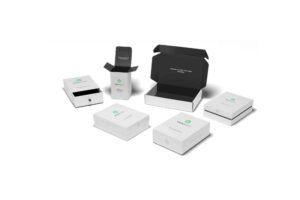
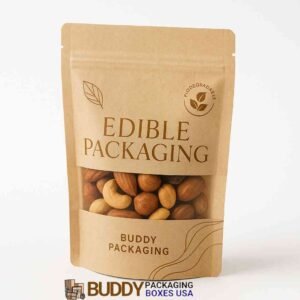
Material selection affects durability, appearance, sustainability, and production costs. Understanding materials is essential when learning how to design packaging box professionally. Cardboard remains one of the most popular options because it offers strength, affordability, and excellent print quality. Corrugated cardboard provides additional protection for heavier or fragile products. Rigid boxes deliver a premium appearance and are commonly used for luxury goods. Folding cartons work well for retail products requiring lightweight packaging. Businesses looking for specialized solutions often explore custom packaging formats such as which securely display products while allowing customers to view them before purchasing. Choosing the right material ensures your packaging performs well throughout transportation, storage, and retail display.
Create an Effective Packaging Structure
Structural design determines how the box functions. Learning how to design packaging box involves balancing aesthetics with usability. The box should open easily while protecting the contents. Customers appreciate packaging that feels intuitive without requiring excessive effort.
Structural design also affects storage efficiency and shipping expenses. Flat-packed boxes reduce transportation costs before assembly, while optimized dimensions minimize wasted space. Professional packaging designers often create prototypes to test opening mechanisms, durability, and overall customer experience before mass production.
Focus on Visual Design
Visual appeal significantly influences purchasing decisions. A strong understanding of visual communication improves how to design packaging box for better marketing results.
Choose colors that reflect
your brand and attract attention. Typography should remain readable at different viewing distances. Graphics should support the product rather than overwhelm it.White space improves readability and creates a cleaner appearance. Avoid clutter by presenting information in an organized manner.
Include Essential Product Information
Good packaging informs customers clearly without overwhelming them.
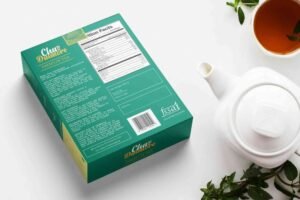
Include product name, brand logo, usage instructions, ingredients when necessary, safety warnings, certifications, manufacturing details, expiration dates if applicable, and contact information.
Well-organized information helps customers make purchasing decisions quickly. Clear labeling also improves compliance with legal requirements in different markets.
Readable fonts and logical information hierarchy improve usability while maintaining visual attractiveness.
Think About Printing and Finishing
Printing quality has a major impact on how customers perceive your brand.
High-resolution printing ensures sharp text and vibrant colors. Matte finishes create an elegant appearance, while glossy coatings make colors appear brighter.
Embossing, debossing, foil stamping, spot UV coating, and textured finishes add premium value to packaging.
However, every finishing option increases production costs. Balance aesthetics with your overall budget when deciding which finishes best support your branding goals.
Prioritize Sustainable Packaging
Sustainability has become an important part of how to design packaging box in today’s marketplace.
Consumers increasingly choose brands that reduce environmental impact. Using recyclable materials, soy-based inks, and minimal packaging demonstrates environmental responsibility.
Reducing unnecessary plastic, optimizing package size, and designing reusable boxes further support sustainable practices. Eco-friendly packaging not only protects the environment but also strengthens brand credibility among environmentally conscious customers.
Test Your Packaging Before Production
Even experienced designers test packaging before large production runs.
Prototype testing identifies structural weaknesses, printing issues, color inconsistencies, and usability problems before investing in mass manufacturing. Shipping tests evaluate durability under real transportation conditions. Customer testing provides valuable feedback regarding appearance, convenience, and overall satisfaction.
Testing reduces costly mistakes while improving final packaging quality.
Adapt Packaging for Different Products
Many businesses sell multiple products that require different packaging formats.
While learning how to design packaging box, create flexible design systems that maintain consistent branding across different product sizes.
For example, companies selling vape products often require specialized that combine attractive branding with regulatory labeling and product protection. Maintaining visual consistency across product variations strengthens brand recognition while accommodating different packaging requirements.
Avoid Common Packaging Design Mistakes
Many businesses invest heavily in packaging yet overlook simple design principles.
Overcrowding the design with excessive graphics reduces readability. Weak typography makes important information difficult to locate. Poor color choices can reduce shelf visibility.
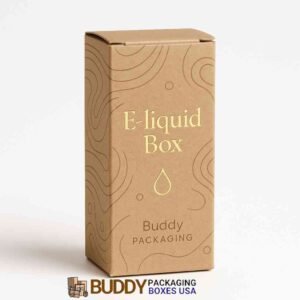
Incorrect box dimensions e-liquid boxes increase shipping expenses and risk product damage. Low-quality printing negatively affects brand perception. Ignoring customer convenience also creates frustration during unboxing.
The Role of Packaging in Marketing
Packaging continues marketing long after advertising ends.
Retail shelves contain hundreds of competing products. Effective packaging captures blister cards attention within seconds.
Consistent branding encourages repeat purchases because customers quickly recognize familiar products. Attractive packaging also encourages social media sharing, generating valuable word-of-mouth promotion.
Modern packaging serves as a silent salesperson, communicating product quality without saying a word.
Businesses that invest in thoughtful packaging often experience stronger customer loyalty and improved brand awareness.
Future Trends in Packaging Design
Packaging continues evolving with changing consumer expectations.
Minimalist design remains popular because it improves clarity and elegance. Smart packaging using QR codes provides customers with additional product information and interactive experiences. Sustainable materials continue replacing traditional plastics. Digital printing allows greater customization and shorter production runs.
Conclusion
Businesses that invest time in understanding how to design packaging box often achieve stronger brand recognition, increased customer satisfaction, and improved sales performance. Whether designing packaging for retail products, luxury items, cosmetics, food, or electronics, following proven design principles creates packaging that performs effectively in today’s competitive marketplace.
If you want your products to leave a lasting impression, start improving your packaging strategy today.
Understanding which organelle is responsible for processing and packaging proteins is essential for learning how cells function efficiently. This organelle modifies, sorts, and prepares proteins for transport to their final destinations inside or outside the cell. Exploring this topic provides valuable insight into cellular biology and the vital processes that keep living organisms healthy.
Frequently Asked Questions
How do you design a packaging box?
Start by understanding your product, target audience, and branding. Choose suitable materials, create a functional structure, design attractive graphics, test prototypes, and refine the design before production.
What software is used to design packaging boxes?
Professional designers commonly use Adobe Illustrator, Adobe Photoshop, CorelDRAW, ArtiosCAD, and Esko Studio for packaging design and dieline creation.
What material is best for packaging boxes?
Cardboard, corrugated board, rigid board, and kraft paper are among the most popular packaging materials because they offer durability, excellent print quality, and sustainability.
Why is packaging design important?
Packaging protects products, improves brand recognition, influences purchasing decisions, provides product information, and creates memorable customer experiences.
How can I make my packaging more attractive?
Use consistent branding, readable typography, balanced colors, high-quality printing, premium finishes, and customer-focused design while keeping the layout clean and easy to understand.