Introduction
Metal corrosion is one of the biggest challenges faced by manufacturers, exporters, and warehouse owners. Moisture, oxygen, and environmental pollutants can damage valuable metal products within a short period. As a result, businesses lose money through rust, product returns, and customer complaints. This is where VCI packaging becomes an effective solution.
If you have ever wondered what is VCI packaging, the answer is simple. VCI packaging is a specialized packaging solution designed to protect metal products from rust and corrosion during storage and transportation. Instead of relying on oils or grease, it uses advanced vapor technology to create a protective layer over metal surfaces.
What Is VCI Packaging?
VCI stands for Volatile Corrosion Inhibitor. These are chemical compounds embedded into packaging materials such as plastic bags, paper, films, wraps, and boxes. Once metal products are enclosed inside the package, the inhibitors slowly release protective vapors into the surrounding air.
These vapors settle on the metal surface and create an invisible molecular shield. This protective layer prevents moisture, oxygen, and other corrosive elements from reaching the metal. As a result, rust cannot develop while the item remains inside the sealed packaging.
Unlike traditional rust prevention methods, VCI packaging leaves no oily residue. Therefore, metal parts can be used immediately after unpacking without additional cleaning or preparation.
How Does VCI Packaging Work?
The science behind VCI packaging is both simple and highly effective. After the product is sealed, corrosion inhibitor molecules begin evaporating naturally. These molecules spread throughout the enclosed space until they cover every exposed metal surface.
ADS
✓ Banner Ads
✓ Sponsored Posts
✓ Homepage Ads
This invisible protective barrier blocks the electrochemical reactions responsible for rust formation. Even difficult-to-reach areas, including holes, threads, and internal cavities, receive protection because the vapors circulate throughout the package.
When the package is opened, the vapor slowly dissipates, leaving the metal surface clean and ready for immediate use.
Types of VCI Packaging Materials
Manufacturers produce VCI packaging in different forms to suit various industries and products.
VCI paper is commonly used for wrapping machine parts, metal sheets, and precision tools. It offers lightweight protection while remaining easy to recycle.
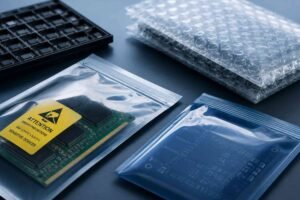
VCI plastic bags are ideal for individual components, spare parts, and electronic equipment. These bags create a sealed environment that maximizes corrosion protection.
VCI stretch films protect large machinery, pallets, and industrial equipment during shipping. Their flexibility allows businesses to wrap oversized products securely.
ADS
✓ Banner Ads
✓ Sponsored Posts
✓ Homepage Ads
VCI foam protects delicate metal components from both physical damage and corrosion during transport.
VCI emitters are often installed inside electrical cabinets, storage containers, or equipment enclosures where traditional packaging cannot be used.
Benefits of VCI Packaging
One of the biggest advantages of VCI packaging is its ability to eliminate rust without messy oils or coatings. This saves both labor and cleaning costs.
It also increases product shelf life by preventing corrosion during long-term storage. Companies shipping products internationally benefit greatly because goods may spend weeks or months in transit.
Another important benefit is improved customer satisfaction. Products arrive in excellent condition, reducing warranty claims and returns.
VCI packaging also lowers maintenance costs. Since metal parts remain corrosion-free, businesses spend less money on repairs and replacements.
Many modern VCI materials are recyclable, making them a more sustainable packaging option than traditional protective coatings.
Industries That Use VCI Packaging
Numerous industries depend on VCI packaging every day.
Automotive manufacturers use it to protect engine parts, gears, bearings, and brake components before assembly.
Aerospace companies package precision metal components with VCI materials to prevent corrosion during long storage periods.
Military organizations rely on VCI packaging because equipment often remains stored for years before deployment.
Electronics manufacturers use VCI products to protect connectors, terminals, and sensitive metal parts.
Heavy machinery companies package industrial equipment and spare components using VCI films and papers for global transportation.
Medical equipment manufacturers also benefit because surgical instruments and stainless steel devices require corrosion-free storage.
Packaging businesses increasingly combine protective materials with durable custom packaging solutions. For example, products shipped in cube boxes can receive additional protection when VCI materials are added inside the packaging. Likewise, manufacturers producing delicate healthcare products often use customized contact lens boxes alongside specialized protective packaging systems where metal components are included.
Why VCI Packaging Is Better Than Traditional Rust Protection
Traditional corrosion protection methods usually involve grease, wax, or oil coatings. While these methods provide protection, they create extra work for manufacturers and customers.
Before using the product, workers must remove the coating through washing or chemical cleaning. This increases labor costs and production time.
If you want to understand what is cryovac packaging, it helps to know how this vacuum-sealed method protects products from moisture, air, and contamination. Widely used in the food, medical, and retail industries, Cryovac packaging extends shelf life, maintains freshness, and improves product presentation while reducing waste during storage and transportation..
Frequently Asked Questions
What is VCI packaging used for?
VCI packaging is used to protect metal products from rust and corrosion during storage, shipping, and long-term warehousing. It is widely used in industries such as automotive, aerospace, electronics, manufacturing, and defense.
How does VCI packaging prevent rust?
VCI packaging releases corrosion-inhibiting vapors that form an invisible protective layer on metal surfaces. This barrier blocks moisture, oxygen, and other corrosive elements, preventing rust from forming.
Is VCI packaging safe to use?
Yes. Most modern VCI packaging products are safe when used according to the manufacturer’s instructions. They are designed to protect metal parts without leaving harmful residues, making them suitable for industrial and commercial applications.
Can VCI packaging replace oil or grease for rust protection?
Yes. In many applications, VCI packaging replaces traditional oils and greases. Unlike oily coatings, VCI leaves metal parts clean and ready for immediate use, reducing cleaning time and labor costs.
How long does VCI packaging protect metal products?
The protection period depends on the packaging material, storage conditions, and sealing quality. Under proper storage conditions, high-quality VCI packaging can protect metal products for several months to several years.
Which metals can be protected with VCI packaging?
VCI packaging is effective for many metals, including steel, cast iron, stainless steel, aluminum, copper, brass, bronze, and various metal alloys. Different VCI formulations are available for specific metal types.