What Is Smart Packaging? A Complete Guide for Modern Brands
What is smart packaging, and why is it becoming important for modern businesses? Smart packaging is more than a container that holds a product. It can monitor freshness, improve safety, share useful information, and create a better customer experience.
Today’s customers expect packaging to do more. They want products that are safe, easy to use, and simple to understand. Brands also need better ways to protect goods, reduce waste, and build trust.
This is where smart packaging offers real value. It combines packaging materials with technology, sensors, labels, or digital features. As a result, businesses can communicate with customers long after a product leaves the shelf.
What Is Smart Packaging?
What is smart packaging in simple words? Smart packaging is packaging that performs an extra function beyond protecting a product. It may provide information, track product conditions, improve usability, or connect customers to digital content.
Traditional packaging mainly protects products during storage and transport. Smart packaging goes further. It can show whether food is fresh, indicate temperature changes, prevent tampering, or provide product details through a QR code.
For example, a food package may include a freshness indicator. A medicine box may show whether it has been opened. A cosmetic label may link customers to usage instructions.
Smart packaging can be used across many industries. These include food, beverages, pharmaceuticals, cosmetics, retail, electronics, and e-commerce.
Why Is Smart Packaging Important?
The demand for smart packaging is growing because customers care more about product quality and transparency. They want to know what they are buying and how to use it safely.
At the same time, businesses need better ways to reduce losses. Spoiled food, damaged products, and counterfeit items can harm profits and brand reputation.
Smart packaging helps solve these problems. It gives brands useful data and helps customers make informed choices.
It can also improve the unboxing experience. When packaging feels useful and interactive, customers are more likely to remember the brand.
How Does Smart Packaging Work?
Smart packaging works by adding active or intelligent features to a package. These features may be physical, chemical, or digital.
Some packages use sensors that react to temperature, moisture, oxygen, or light. Others use printed codes, RFID tags, or near-field communication technology.
The package collects or displays information. Then, the customer, retailer, or manufacturer can use that information to make a decision.
For example, a temperature-sensitive label can change color when a frozen product becomes too warm. This helps customers and retailers identify possible quality issues.
Similarly, QR codes can direct users to product videos, ingredients, recycling instructions, or special offers.
Types of Smart Packaging
There are several types of smart packaging. Each type serves a different purpose depending on the product and industry.
Active Packaging
Active packaging interacts with the product or its environment. Its purpose is often to extend shelf life or protect product quality.
For example, some food packages absorb oxygen. This slows down spoilage and helps food stay fresh longer.
Other active packages control moisture. This is useful for snacks, baked goods, and dry food products.
Active packaging can also release substances that protect the product. However, these materials must meet safety requirements before use.
Intelligent Packaging
Intelligent packaging provides information about a product’s condition. It does not always change the product itself.
A common example is a freshness indicator. It may change color when food reaches a certain stage of spoilage.
Time-temperature indicators are also popular. They show whether a product has been stored at the correct temperature.
This type of packaging is especially useful for fresh food, dairy products, seafood, and medicines.
Connected Packaging
Connected packaging links physical products with digital experiences. QR codes are one of the easiest examples.
Customers can scan a code using a smartphone. They may see product information, brand stories, loyalty programs, or instructions.
Connected packaging also helps brands collect customer insights. For instance, businesses can learn which products are scanned most often.
This creates a direct connection between brands and customers.
Tamper-Evident Packaging
Tamper-evident packaging helps customers see whether a product has been opened or altered.
It may include seals, shrink bands, breakable caps, or security labels. These features are common in food, medicine, cosmetics, and personal care products.
This type of smart packaging improves customer confidence. It also helps brands protect products from contamination and fraud.
Examples of Smart Packaging
Smart packaging appears in many everyday products. You may already use it without noticing.
Fresh food labels can indicate whether a product stayed at a safe temperature. These labels are helpful for meat, dairy, seafood, and frozen foods.
Medicine packages may include reminder labels. Some can help patients track when they take a dose.
Cosmetic packaging may use QR codes to explain ingredients or show application tutorials. This makes the product easier to use.
Luxury brands often use NFC tags to verify authenticity. Customers can scan the tag and confirm that the product is genuine.
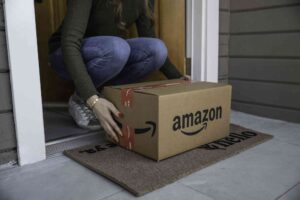
E-commerce brands may use smart labels to track shipments. These labels can improve delivery accuracy and reduce lost packages.
Benefits of Smart Packaging for Businesses
Smart packaging offers many benefits for businesses. It can support product quality, customer satisfaction, and brand growth.
Improves Product Safety
Product safety is one of the biggest benefits of smart packaging. Temperature indicators and tamper-evident features help customers identify unsafe products.
This is important for food and pharmaceutical brands. A damaged or spoiled product can lead to customer complaints and lost trust.
Smart packaging gives customers more confidence before they make a purchase.
Reduces Product Waste
Food waste is a major issue worldwide. Many products are thrown away because customers do not know whether they are still safe to use.
Freshness indicators can help reduce unnecessary waste. They give a clearer picture of the product’s actual condition.
This can also help retailers manage inventory more effectively.
Builds Customer Trust
Customers appreciate transparency. They want to know where products come from and how they should be used.
Smart packaging can provide this information quickly. A QR code can show ingredients, sourcing details, safety instructions, and recycling guidance.
When customers feel informed, they are more likely to trust the brand.
Supports Anti-Counterfeiting Efforts
Counterfeit products can damage a brand’s reputation. They can also create serious safety risks for customers.
Smart packaging can include serial numbers, holograms, RFID tags, and NFC technology. These features make it easier to verify authentic products.
This is especially valuable for pharmaceuticals, luxury goods, electronics, and cosmetics.
Creates Better Customer Experiences
Packaging is often the first physical interaction between a customer and a brand. Smart features can make that interaction more useful and memorable.
For example, customers can scan a code to access a recipe, tutorial, discount, or reward program.
This turns packaging into a marketing tool instead of a simple container.
Smart Packaging and Sustainability
Many people ask whether smart packaging is sustainable. The answer depends on the materials and technology used.
Smart packaging can support sustainability when it reduces waste, extends shelf life, or improves recycling information.
For example, a freshness label may help prevent food from being discarded too early. A QR code can replace long printed instructions and reduce ink use.
However, brands should avoid adding unnecessary materials. Complex packaging can be harder to recycle if it combines too many components.
The best approach is to use smart features that provide clear value. Brands should also choose recyclable, compostable, or reusable packaging materials when possible.
For businesses focused on eco-friendly presentation, custom kraft boxes can offer a practical option. Kraft packaging supports a natural brand image and can work well with printed QR codes or labels.
Smart Packaging in the Food Industry
The food industry is one of the largest users of smart packaging. Food products need protection from heat, moisture, oxygen, and contamination.
Smart packaging helps businesses monitor these risks. It can show whether food was exposed to unsafe temperatures during transport.
It can also help consumers understand freshness. This is useful because expiration dates do not always show the full condition of a product.
For dry goods, packaging design also plays an important role. Products such as baking soda need protection from moisture and contamination. Brands can explore baking soda packaging solutions that support product safety, shelf appeal, and clear labeling.
Challenges of Smart Packaging
Although smart packaging has many benefits, it also comes with challenges.
The first challenge is cost. Sensors, RFID tags, and digital technology can increase packaging expenses. Small businesses may need to start with simple options, such as QR codes or tamper-evident seals.
Another challenge is recycling. Some smart materials may be difficult to separate from standard packaging. Brands should consider end-of-life disposal during the design stage.
Data privacy can also be a concern. Connected packaging may collect customer information through scans or loyalty programs. Businesses should explain clearly how data is used.
Finally, smart packaging must be easy to understand. A feature has little value if customers do not know how to use it.
How to Choose Smart Packaging for Your Brand
Choosing the right smart packaging starts with understanding your product. Consider what problem you want the packaging to solve.
If you sell fresh food, a temperature indicator may be useful. If you sell luxury products, anti-counterfeit technology may be more important.
For e-commerce brands, tracking labels and QR codes can improve communication. For cosmetics, connected packaging can provide tutorials and ingredient information.
You should also consider your budget. Start with features that provide the strongest return. QR codes are affordable and flexible for many brands.
Test your packaging before a full launch. Ask customers whether the feature is useful and easy to understand.
The Future of Smart Packaging
The future of smart packaging looks promising. As technology becomes more affordable, more businesses will use it.
We may see more packages with printed sensors, digital watermarks, and interactive labels. Artificial intelligence may also help brands analyze packaging data and improve supply chains.
Sustainability will remain a major focus. Future smart packaging will need to balance innovation with recyclable materials and lower environmental impact.
Customers will also expect more transparency. They may want to scan packaging to learn about ingredients, sourcing, carbon impact, and disposal options.
Conclusion
What is smart packaging? It is packaging that does more than protect a product. It helps brands improve safety, reduce waste, build trust, and create stronger customer experiences.
From freshness indicators to QR codes, smart packaging gives businesses new ways to communicate with customers. It can also improve product handling across the supply chain.
Frequently Asked Questions
What is smart packaging used for?
Smart packaging is used to protect products, monitor freshness, show temperature changes, prevent tampering, and connect customers with digital information.
What is the difference between active and intelligent packaging?
Active packaging interacts with the product or environment. Intelligent packaging provides information about the product’s condition.
What are examples of smart packaging?
Examples include freshness labels, QR codes, RFID tags, NFC labels, tamper-evident seals, and temperature-sensitive indicators.
Is smart packaging expensive?
Some smart packaging technologies can be expensive. However, simple features like QR codes and security seals are often affordable.
Can smart packaging reduce food waste?
Yes. Freshness indicators and temperature labels can help customers and retailers identify products that are still safe to use.
Is smart packaging recyclable?
It can be recyclable, depending on the materials used. Brands should choose simple designs and recyclable materials whenever possible.
What Is Intelligent Packaging Intelligent packaging uses advanced features such as sensors, QR codes, freshness indicators, and tracking technology to provide useful information about a product. It can help businesses monitor product quality, improve supply chain visibility, reduce waste, and build customer trust. From food safety alerts to interactive product details, intelligent packaging makes everyday products smarter, safer, and more engaging for consumers.