What Is Retail Packaging? A Complete Guide for Businesses
Retail packaging is much more than a container for a product. It serves as a powerful marketing tool that protects products, attracts customers, and communicates a brand’s identity. In today’s competitive marketplace, understanding what is retail packaging can help businesses create stronger customer connections and increase sales.
When shoppers browse store shelves or online marketplaces, packaging is often the first thing they notice. A well-designed package can influence buying decisions within seconds. Therefore, retail packaging plays a critical role in product presentation and overall brand success.
Understanding What Is Retail Packaging
Retail packaging refers to the outer packaging designed specifically for products sold directly to consumers. Unlike industrial or shipping packaging, retail packaging focuses on presentation, branding, product protection, and customer appeal.
The primary purpose of retail packaging is to make products attractive while ensuring they remain safe during transportation and display. It also provides essential product information such as ingredients, usage instructions, safety warnings, and branding elements.
Modern retail packaging combines functionality with aesthetics. As a result, businesses invest significant resources into creating packaging that stands out in crowded retail environments.
Why Retail Packaging Matters
Retail packaging serves several important functions. First, it protects products from damage, contamination, and environmental factors. Second, it communicates important information to consumers. Third, it helps brands differentiate themselves from competitors.
Consumers often associate high-quality packaging with high-quality products. Consequently, attractive packaging can increase perceived value and encourage purchases. In many industries, packaging becomes a key factor in customer decision-making.
Moreover, retail packaging contributes to brand recognition. Consistent colors, logos, and design elements help customers identify products quickly and build trust over time.
The Main Components of Retail Packaging
Understanding what is retail packaging requires examining its essential components. Every package typically includes structural design, graphics, branding elements, and informational content.
Structural design determines how the package functions and protects the product. Materials may include cardboard, paperboard, plastic, glass, or metal, depending on the product category.
Graphic design includes colors, typography, images, and visual elements that create shelf appeal. Effective graphics capture attention while communicating brand values.
Branding elements such as logos, taglines, and unique design features reinforce brand identity. Meanwhile, informational content ensures regulatory compliance and helps consumers make informed decisions.
Different Types of Retail Packaging
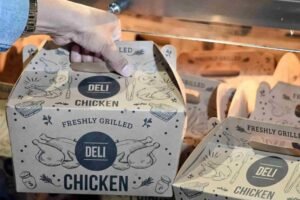
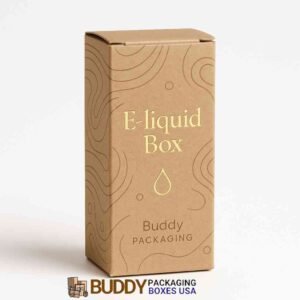
Retail packaging comes in many forms depending on the product and target market. Folding cartons are among the most common options. They are lightweight, cost-effective, and highly customizable.
Rigid boxes offer a premium appearance and are often used for luxury products. Their sturdy construction enhances perceived value and creates memorable unboxing experiences.
Blister packaging is popular for electronics, toys, and small consumer goods. It provides excellent product visibility while offering strong protection.
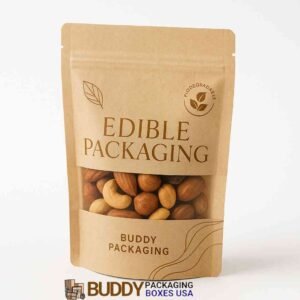
Flexible packaging includes pouches, bags, and wraps. These options are increasingly popular because they are lightweight, convenient, and often more sustainable.
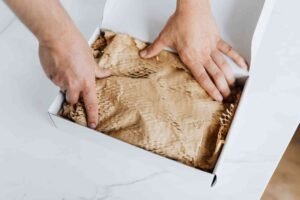
Corrugated packaging can also serve retail purposes, particularly for larger products requiring additional protection.
Retail Packaging and Brand Identity
One of the most significant benefits of retail packaging is its ability to strengthen brand identity. Packaging acts as a silent salesperson, communicating a brand’s story without direct interaction.
Successful brands use packaging to create emotional connections with consumers. Colors, textures, shapes, and messaging all contribute to the overall brand experience.
For example, luxury brands often use premium materials and minimalist designs to convey exclusivity. On the other hand, eco-friendly brands may emphasize recyclable materials and natural colors.
Consistent packaging across product lines helps build recognition and customer loyalty. Over time, consumers begin associating specific visual elements with trusted products.
The Role of Packaging in Consumer Purchasing Decisions
Research consistently shows that packaging influences consumer behavior. Shoppers often make purchasing decisions within seconds of seeing a product.
Eye-catching packaging attracts attention and encourages consumers to learn more. Clear messaging then helps communicate product benefits and value.
Furthermore, packaging can influence perceptions of quality, reliability, and effectiveness. A professionally designed package creates confidence, while poor packaging may raise concerns about product quality.
As consumer expectations continue to evolve, businesses must ensure their packaging aligns with customer preferences and market trends.
Sustainable Retail Packaging Trends
Sustainability has become a major focus in the packaging industry. Consumers increasingly prefer brands that demonstrate environmental responsibility.
As a result, many companies are adopting recyclable, biodegradable, and reusable packaging materials. Sustainable packaging reduces environmental impact while appealing to environmentally conscious shoppers.
Brands are also minimizing excess packaging and improving material efficiency. These efforts not only support sustainability goals but can also reduce production and shipping costs.
Businesses that invest in eco-friendly retail packaging often gain a competitive advantage in today’s marketplace.
Custom Retail Packaging Solutions
Custom packaging allows businesses to create unique brand experiences. Rather than relying on generic packaging, companies can develop designs tailored to their products and audience.
For example, companies that require professional presentation materials often use business card boxes to protect cards while maintaining a polished and professional appearance. These customized solutions enhance branding and improve customer impressions.
Similarly, industries with specialized packaging requirements benefit from tailored solutions. Businesses operating in regulated markets frequently invest in custom cannabis packaging that meets compliance standards while promoting brand visibility and product safety.
Custom packaging can improve customer satisfaction, strengthen brand recognition, and create memorable unboxing experiences that encourage repeat purchases.
Key Design Elements of Effective Retail Packaging
Successful retail packaging balances functionality with visual appeal. Several design elements contribute to packaging effectiveness.
Color psychology plays an important role in consumer perception. Different colors evoke different emotions and influence purchasing behavior.
Typography affects readability and brand personality. Clear, attractive fonts help communicate information efficiently.
Images and graphics can highlight product features and create visual interest. Meanwhile, packaging structure should support ease of use and product protection.
The best packaging designs integrate these elements into a cohesive brand presentation that resonates with the target audience.
Common Challenges in Retail Packaging
Despite its importance, developing effective retail packaging can present challenges. Businesses must balance aesthetics, functionality, sustainability, and cost considerations.
Regulatory compliance is another important factor. Packaging often requires specific labeling, safety information, and industry-specific disclosures.
Additionally, changing consumer preferences may require periodic packaging updates. Brands must stay informed about market trends while maintaining consistency and recognition.
Careful planning and ongoing evaluation help businesses overcome these challenges and maximize packaging performance.
The Future of Retail Packaging
Technology continues to transform retail packaging. Smart packaging solutions now include QR codes, augmented reality experiences, and interactive features that enhance customer engagement.
Digital printing advancements allow greater customization and shorter production runs. This flexibility enables brands to respond quickly to market changes and promotional opportunities.
Sustainability innovations are also shaping the future of packaging. New materials and manufacturing processes are helping companies reduce environmental impact without sacrificing performance.
As consumer expectations evolve, retail packaging will remain a vital component of product marketing and brand strategy.
Conclusion
Understanding what is retail packaging is essential for businesses seeking to compete in modern retail environments. Packaging does far more than protect products. It communicates brand identity, influences purchasing decisions, enhances customer experiences, and supports long-term business growth.
Packaging is evolving rapidly to meet changing consumer expectations and environmental concerns. What Are Current Trends in Packaging Today’s leading trends include sustainable materials, minimalist designs, smart packaging with QR codes, reusable solutions, and personalized branding. Businesses are also adopting eco-friendly packaging to reduce waste and improve customer trust. These innovations help brands stand out while enhancing convenience, product protection, and overall customer experience.
FAQs
What is retail packaging?
Retail packaging is the outer packaging designed to protect, display, and market products sold directly to consumers.
Why is retail packaging important?
Retail packaging protects products, communicates information, enhances branding, and influences consumer purchasing decisions.
What materials are commonly used in retail packaging?
Common materials include paperboard, cardboard, plastic, glass, metal, and biodegradable alternatives.
How does retail packaging affect sales?
Attractive and functional packaging improves shelf appeal, increases brand recognition, and encourages customer purchases.
What is sustainable retail packaging?
Sustainable retail packaging uses environmentally friendly materials and designs that reduce waste and environmental impact.
What is the difference between retail packaging and shipping packaging?
Retail packaging focuses on product presentation and branding, while shipping packaging primarily protects products during transportation.