Packaging plays a major role in every business. However, rising material prices continue to increase operational expenses. Many companies now search for practical ways to understand how to reduce packaging material cost without affecting product quality or customer satisfaction. Smart packaging decisions can lower waste, improve shipping efficiency, and strengthen brand value at the same time.
Businesses that optimize their packaging processes often experience better profit margins. In addition, sustainable packaging solutions attract environmentally conscious customers. Whether you run an eCommerce store, retail business, or manufacturing company, reducing packaging expenses can create long-term financial benefits.
Understanding how to reduce packaging material cost starts with evaluating current packaging practices. Many companies use oversized boxes, unnecessary fillers, or expensive custom materials. These small issues increase expenses over time. Therefore, improving packaging efficiency becomes essential for business growth.
Analyze Your Current Packaging Process
The first step in reducing packaging expenses is reviewing your existing packaging system. Many businesses never calculate the actual cost of packaging waste. As a result, they continue spending money unnecessarily.
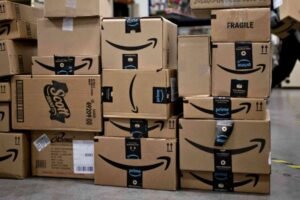
Start by measuring the size, weight, and type of packaging materials currently used. Check whether your packaging matches the actual dimensions of your products. Oversized packaging increases shipping fees and wastes raw materials.
You should also evaluate product damage rates. Sometimes businesses overspend on protective materials because they fear product returns. However, better structural design often solves this issue more efficiently.
Custom packaging solutions such as <a href=”https://buddypackagingco.com/custom/die-cut-boxes/”>die cut boxes</a> help businesses reduce excess material usage. These boxes fit products accurately and minimize unnecessary filler materials. In addition, they improve storage and transportation efficiency.
Choose the Right Packaging Materials
One of the best strategies for how to reduce packaging material cost is selecting affordable yet durable materials. Many companies use premium packaging where simple alternatives would work effectively.
Corrugated cardboard remains one of the most cost-efficient options for shipping and retail packaging. It offers strength, lightweight performance, and recyclability. Furthermore, it reduces transportation expenses because of its low weight.
Businesses should avoid using multiple packaging layers unless absolutely necessary. Excessive wrapping, foam, and plastic inserts increase costs significantly. Instead, focus on packaging designs that provide protection with fewer materials.
Recycled materials can also lower expenses. Many suppliers now offer high-quality recycled cardboard and paper packaging at competitive prices. These materials support sustainability goals while cutting operational costs.
Packaging suppliers often provide discounts for bulk orders. Therefore, purchasing materials in larger quantities may reduce per-unit expenses. However, inventory management remains important to avoid unnecessary storage costs.
Optimize Packaging Size
Packaging dimensions directly impact shipping expenses. Larger packages require more materials and increase transportation costs. Therefore, right-sizing packaging is one of the most effective methods for reducing expenses.
Many businesses use standard box sizes for all products. Unfortunately, this approach creates wasted space. Extra space often requires additional filler materials to prevent movement during shipping.
Custom-sized packaging provides a smarter alternative. Properly sized packaging reduces raw material usage and lowers dimensional shipping charges. It also improves pallet efficiency during transportation.
Businesses selling food products or sweets can benefit from customized <a href=”https://buddypackagingco.com/custom/candy-boxes/”>candy boxes</a> designed specifically for product dimensions. These packaging solutions reduce waste while improving product presentation and protection.
Smaller packages also contribute to environmental sustainability. Customers increasingly appreciate brands that minimize excessive packaging. Consequently, efficient packaging strengthens customer trust and brand reputation.
Improve Packaging Design Efficiency
Good packaging design balances protection, appearance, and cost-effectiveness. Many businesses focus heavily on visual appeal while ignoring material efficiency. However, modern packaging design can achieve both goals simultaneously.
Minimalist packaging designs often reduce production expenses. Simple structures use fewer materials and require less assembly time. In addition, clean designs create a modern and professional appearance.
Structural engineering also plays an important role in cost reduction. Strong folding designs can eliminate the need for additional inserts or protective fillers. As a result, businesses save money on multiple packaging components.
Automation-friendly packaging designs further improve operational efficiency. Packaging that folds and assembles quickly reduces labor costs and production delays.
Companies should regularly test packaging performance. Continuous testing helps identify opportunities for material reduction without compromising durability.
Reduce Packaging Waste During Production
Production waste increases packaging expenses more than many businesses realize. Material scraps, printing errors, and damaged packaging all contribute to unnecessary costs.
Improving cutting accuracy helps reduce waste significantly. Digital cutting technology minimizes material loss during manufacturing. Businesses using precision-cut packaging solutions often experience better material efficiency.
Employee training also matters. Workers handling packaging materials improperly may damage products or waste supplies. Therefore, training employees on efficient packaging practices improves cost control.
Inventory management systems can prevent overordering and material expiration. Businesses should monitor packaging usage patterns carefully to maintain balanced inventory levels.
Printing efficiency is another important factor. Simplifying packaging artwork can reduce ink consumption and printing costs. In many cases, fewer colors lead to significant savings without reducing brand recognition.
Use Sustainable Packaging Solutions
Sustainability and cost reduction often work together. Eco-friendly packaging materials frequently reduce waste and improve operational efficiency.
Many companies assume sustainable packaging costs more. However, lightweight recyclable materials often lower shipping expenses and reduce disposal fees. In addition, consumers increasingly prefer environmentally responsible brands.
Reusable packaging systems also provide long-term financial benefits. Businesses with repeat shipments may reduce costs by implementing returnable packaging solutions.
Government regulations regarding environmental sustainability continue to increase worldwide. Businesses adopting sustainable packaging early may avoid future compliance expenses.
Biodegradable packaging materials have become more affordable in recent years. Therefore, businesses can now adopt greener solutions without dramatically increasing costs.
Reducing unnecessary plastic usage also improves public perception. Customers often associate eco-friendly packaging with premium brand values and corporate responsibility.
Work Closely With Packaging Suppliers
Strong supplier relationships help businesses negotiate better pricing and improve packaging efficiency. Many companies overlook the value of supplier collaboration.
Experienced packaging suppliers can recommend alternative materials or structural improvements that lower expenses. They often understand industry trends and cost-saving opportunities better than buyers.
Long-term supplier agreements may secure stable pricing during market fluctuations. In addition, consistent partnerships improve production reliability and delivery schedules.
Businesses should compare multiple suppliers regularly. Competitive pricing analysis helps identify better deals and improved material options.
Communication remains essential throughout the process. Suppliers should understand your product requirements, shipping conditions, and budget limitations clearly.
Packaging innovation often comes directly from supplier collaboration. Therefore, maintaining open communication creates opportunities for continuous improvement.
Automate Packaging Operations
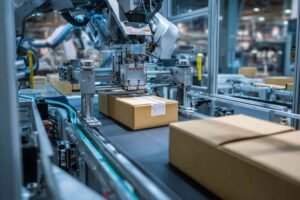
Automation helps businesses reduce packaging costs by improving speed and consistency. Manual packaging processes often create waste and increase labor expenses.
Automated packaging machines optimize material usage and improve production accuracy. They also reduce packaging errors that lead to damaged products or returns.
Small businesses can begin with semi-automated systems before investing in full automation. Even basic automation tools improve efficiency significantly.
Automated labeling and cutting systems reduce material waste and labor requirements. Over time, these savings offset initial equipment investments.
Technology also improves packaging analytics. Businesses can track material usage, production speed, and waste levels more accurately.
Data-driven decisions help companies continuously optimize packaging operations and identify new cost-saving opportunities.
Focus on Shipping Efficiency
Shipping expenses closely connect to packaging decisions. Heavy or oversized packaging increases transportation costs dramatically.
Lightweight packaging materials help businesses reduce freight expenses. However, packaging must still provide sufficient product protection.
Efficient pallet arrangement also lowers shipping costs. Packaging designed for stackability maximizes warehouse and transportation space.
Flat-pack packaging solutions reduce storage and shipping expenses for many industries. These designs improve logistics efficiency while lowering material usage.
Businesses should also consider regional shipping strategies. Using localized packaging suppliers may reduce transportation expenses and lead times.
Packaging optimization software can analyze shipping patterns and recommend cost-saving improvements automatically.
Understanding who owns Graham Packaging helps businesses and consumers learn more about one of the leading packaging manufacturers in the industry. The company is currently owned by Reynolds Group Holdings, a global leader in packaging and consumer products. Exploring the story behind Who Owns Graham Packaging provides insights into its growth, operations, and influence in the packaging sector worldwide.
Frequently Asked Questions
What is the best way to reduce packaging costs?
The best way to reduce packaging costs is optimizing package size, using lightweight materials, and minimizing unnecessary fillers. Efficient packaging design also lowers shipping expenses.
How can custom packaging lower expenses?
Custom packaging reduces wasted space and unnecessary materials. It also improves shipping efficiency and decreases damage rates during transportation.
Does sustainable packaging help reduce costs?
Yes, sustainable packaging often lowers material waste and shipping expenses. Recyclable and lightweight materials improve overall operational efficiency.
Why is packaging size important for cost reduction?
Packaging size affects both material usage and shipping charges. Smaller, properly sized packaging reduces dimensional weight fees and filler requirements.
Can automation reduce packaging material costs?
Automation improves accuracy and reduces waste during packaging production. It also lowers labor expenses and increases operational efficiency.
Conclusion
Learning how to reduce packaging material cost requires a combination of smart design, efficient materials, and operational improvements. Businesses that optimize packaging processes often achieve significant savings while maintaining product quality and customer satisfaction.
From right-sizing boxes to improving supplier relationships, every packaging decision affects profitability. Sustainable solutions, automation, and custom packaging designs further enhance long-term efficiency.
Companies that continuously evaluate their packaging strategies remain competitive in today’s fast-changing market. By implementing these practical methods, businesses can reduce expenses, improve sustainability, and create better customer experiences.
If you want to improve packaging efficiency and reduce operational costs, now is the perfect time to evaluate your packaging strategy and invest in smarter solutions.