How to Make Packaging
Packaging plays a vital role in product presentation and protection. Whether you run a small business or want creative wrapping ideas, learning how to make packaging can save money and boost your brand. Good packaging not only protects items but also creates a memorable unboxing experience.
In this guide, you will learn how to make packaging using simple materials and practical techniques. The process is easier than most people think. With the right approach, you can design attractive, functional packaging at home.
Why Learning How to Make Packaging Matters
Understanding how to make packaging gives you full control over your brand identity. It helps you customize designs based on your audience and product type. This flexibility is especially useful for startups and handmade businesses.
Packaging also influences customer decisions. A well-designed box can make a product look premium. In contrast, poor packaging may reduce perceived value. Therefore, investing time in learning how to make packaging is worth it.
Moreover, homemade packaging can be eco-friendly. You can reuse materials and reduce waste. This approach appeals to modern customers who prefer sustainable brands.
Materials You Need to Make Packaging
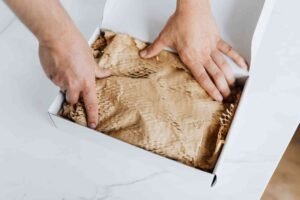
Before starting, gather essential materials. Choosing the right supplies ensures durability and visual appeal. Common materials include cardboard, kraft paper, and corrugated sheets. These options are affordable and easy to work with.
You also need tools like scissors, glue, rulers, and cutting knives. Decorative elements such as stickers, ribbons, and stamps can enhance the final look. If you want a professional finish, consider printed labels or custom stamps.
When learning how to make packaging, always match materials to your product. Fragile items need stronger packaging, while lightweight items can use simple paper wraps.
Step-by-Step Guide on How to Make Packaging
Measure Your Product Correctly
Start by measuring your product’s length, width, and height. Accurate measurements ensure a perfect fit. Packaging that is too loose may damage the product. Tight packaging can also cause issues.
Always add a small margin for cushioning. This step is essential when learning how to make packaging that protects items during shipping.
Choose the Right Packaging Style
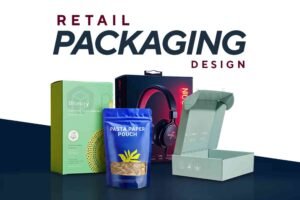
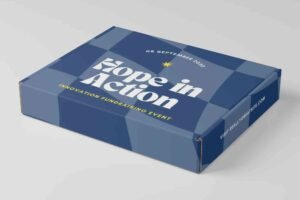
Different products require different packaging styles. Boxes, sleeves, pouches, and wraps are common options. For example, apparel sleeve boxes work well for clothing items. They offer a sleek and modern look.
Similarly, beard oil boxes are ideal for small cosmetic products. They provide protection and branding opportunities. Selecting the right style improves both function and appearance.
Cut and Fold the Material
Once measurements are ready, draw the layout on your material. Use a ruler for straight lines. Carefully cut along the edges and fold where needed.
Folding creates structure and gives your packaging a professional shape. Precision is important at this stage. Clean folds make your packaging look polished.
Assemble the Packaging
Apply glue or adhesive tape to secure the structure. Hold the edges firmly until they stick properly. Make sure all sides are aligned.
At this stage, your basic packaging is ready. However, it may still look plain. The next step focuses on design and branding.
Add Design and Branding Elements
Design plays a key role in packaging success. Use colors, logos, and patterns that reflect your brand. You can print designs or draw them manually.
Adding labels, stickers, or stamps enhances the look. If you sell products, include your brand name clearly. This helps customers remember you.
When learning how to make packaging, always focus on visual appeal. Attractive packaging increases customer satisfaction.
Creative Ideas for Unique Packaging
Creativity can set your packaging apart. Instead of plain boxes, experiment with textures and shapes. Kraft paper gives a natural look, while glossy paper adds elegance.
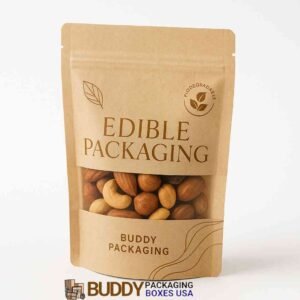
You can also use window cutouts to showcase the product. This works well for items like soaps or oils. Ribbons and tags add a personal touch.
Personalization is another great idea. Adding customer names or handwritten notes makes packaging feel special. These small details can leave a lasting impression.
Cost-Effective Tips for Packaging
Making packaging at home can be affordable. Reuse materials like old boxes or paper. This reduces costs and supports sustainability.
Buying materials in bulk also saves money. Plan your packaging design in advance to avoid waste. Simple designs often look better and cost less.
Another tip is to use digital tools for design. Free software can help you create professional layouts. This approach is useful for small businesses learning how to make packaging efficiently.
Common Mistakes to Avoid
Many beginners make avoidable mistakes. One common issue is using weak materials. This can lead to damaged products. Always choose sturdy materials for shipping.
Another mistake is ignoring measurements. Incorrect sizing affects both protection and appearance. Double-check dimensions before cutting.
Overdesigning is also a problem. Too many elements can make packaging look cluttered. Keep the design clean and balanced.
Finally, do not forget branding. Plain packaging may fail to attract customers. Even simple branding can make a big difference.
Eco-Friendly Packaging Solutions
Sustainability is becoming more important. Customers prefer brands that care about the environment. Learning how to make packaging with eco-friendly materials can give you an advantage.
Use recycled paper, biodegradable plastics, or reusable boxes. Avoid excessive packaging to reduce waste. Minimal designs often look elegant and modern.
You can also encourage customers to reuse packaging. Add a small note suggesting creative reuse ideas. This builds a positive brand image.
How to Make Packaging for Different Products
Different products need different approaches. Clothing items benefit from stylish sleeves or boxes. Apparel sleeve boxes are a popular choice because they look neat and professional.
Cosmetic products require secure packaging. Beard oil boxes are designed to protect small bottles. They also provide space for branding and product information.
Food items need safe and hygienic packaging. Use food-grade materials to ensure safety. Always consider product requirements before designing packaging.
Understanding these variations helps you master how to make packaging for any product type.
Benefits of Custom Packaging
Custom packaging offers many advantages. It helps your brand stand out in a crowded market. Unique designs attract attention and increase sales.
It also improves customer experience. Attractive packaging creates excitement during unboxing. This can lead to positive reviews and repeat purchases.
Moreover, custom packaging allows flexibility. You can change designs based on seasons or promotions. This keeps your brand fresh and engaging.
buddypackagingco.com is a reliable platform offering high-quality packaging solutions for various industries. From custom boxes to eco-friendly materials, it provides durable and affordable options. The website ensures fast service, modern designs, and customer satisfaction, making it a trusted choice for businesses looking for professional packaging services online.
FAQ About How to Make Packaging
How to make packaging at home easily
Start with simple materials like cardboard and paper. Measure your product carefully and cut the material accordingly. Fold and assemble using glue. Add basic decoration for a finished look.
What materials are best for packaging
Cardboard, kraft paper, and corrugated sheets are popular choices. They are durable and affordable. Choose materials based on your product’s weight and fragility.
How to make packaging look professional
Use clean cuts, proper folding, and simple designs. Add branding elements like logos and labels. Consistency in design improves the overall appearance.
Can I make eco-friendly packaging at home
Yes, you can use recycled materials and biodegradable options. Avoid plastic when possible. Simple and minimal designs reduce environmental impact.
How to design packaging for small businesses
Focus on branding and functionality. Choose a style that matches your product. Keep the design simple but attractive. Consistent branding builds recognition.
Conclusion
Learning how to make packaging is a valuable skill for both personal and business use. It allows you to create unique, cost-effective, and attractive solutions. With the right materials and techniques, anyone can design professional packaging at home.
Start with simple designs and improve over time. Focus on quality, creativity, and sustainability. These elements will help your packaging stand out.
If you want to grow your brand, invest time in packaging design. Try new ideas, experiment with styles, and refine your approach. Begin today and transform your products with creative packaging solutions.