Introduction
Modified atmosphere packaging is a food packaging method that changes the air inside a package to help slow spoilage and extend shelf life. Instead of normal air, the package is filled with a specific mix of gases so the product stays fresh for longer. This technique is widely used for fresh foods like meat, vegetables, and ready meals because it helps control quality and reduce waste.
In simple terms, modified atmosphere packaging is about creating the right environment inside the pack so food lasts longer without losing its freshness, taste, or appearance.
What Is Modified Atmosphere Packaging?
Modified atmosphere packaging, often called MAP, is a system where the internal atmosphere of a sealed package is adjusted to extend product life. The natural air we breathe contains oxygen, nitrogen, and small amounts of other gases. In MAP, this air is replaced or modified to suit the specific product.
For example, oxygen may be reduced to slow down spoilage, while carbon dioxide can be increased to limit microbial growth. Nitrogen is often added to fill space and prevent package collapse. The exact combination depends on the type of food being packaged.
How Modified Atmosphere Packaging Works
Modified atmosphere packaging works by carefully controlling the gases inside a sealed package. There are two main approaches used in the industry.
Active Modified Atmosphere Packaging
In this method, air is removed from the package and replaced with a controlled gas mixture before sealing. This allows immediate control over the internal environment and is commonly used for meat, fish, and ready-to-eat meals.
Passive Modified Atmosphere Packaging
In passive MAP, the product itself and the packaging material work together to gradually change the atmosphere. Fresh fruits and vegetables continue to respire after packaging, and the film allows controlled gas exchange, creating a balanced internal environment over time.
Key Gases Used in Modified Atmosphere Packaging
Different gases are used in modified atmosphere packaging, each serving a specific purpose.
Oxygen (O2)
Oxygen supports respiration and can affect color in products like red meat. Reducing oxygen slows oxidation and spoilage.
Carbon Dioxide (CO2)
Carbon dioxide helps slow the growth of bacteria and mold, making it essential for preserving freshness.
Nitrogen (N2)
Nitrogen is an inert gas used to replace oxygen and maintain package shape. It prevents collapse and protects delicate products.
Benefits of Modified Atmosphere Packaging
Modified atmosphere packaging offers several important advantages for both businesses and consumers.
Extended Shelf Life
By slowing down spoilage processes, MAP significantly increases how long products remain fresh.
Improved Product Quality
It helps maintain color, texture, and flavor, making food more appealing to customers.
Reduced Food Waste
Longer shelf life means less spoilage during transportation and storage.
Less Need for Preservatives
MAP reduces reliance on chemical preservatives, supporting cleaner labels.
Common Applications of Modified Atmosphere Packaging
Modified atmosphere packaging is widely used across different food categories.
Fresh Produce
Fruits and vegetables benefit from controlled oxygen levels that slow respiration.
Meat and Poultry
MAP helps maintain color and freshness while reducing bacterial growth.
Seafood
Fish and seafood products use MAP to extend shelf life and preserve quality.
Bakery Products
It prevents mold growth and keeps baked goods fresh for longer periods.
Ready-to-Eat Meals
Convenience foods often rely on MAP to stay safe and appealing until consumption.
Modified Atmosphere Packaging vs Vacuum Packaging
Although both methods extend shelf life, they work differently. Vacuum packaging removes almost all air from the package, while modified atmosphere packaging replaces air with a specific gas mix.
Vacuum packaging can compress products, which may not be suitable for delicate items. In contrast, MAP maintains the shape and appearance of products, making it ideal for retail display.
Is Modified Atmosphere Packaging Safe?
Modified atmosphere packaging is safe when used correctly. It is widely regulated and commonly used in the food industry. However, it does not replace proper storage practices.
Temperature control is still essential, especially for perishable foods. MAP slows spoilage but does not stop it completely. Safe handling, refrigeration, and proper packaging design are critical for maintaining food safety.
What Makes Modified Atmosphere Packaging Effective?
The effectiveness of modified atmosphere packaging depends on several factors.
Type of Food
Different foods require different gas mixtures and packaging materials.
Gas Composition
The balance of oxygen, carbon dioxide, and nitrogen must match the product’s needs.
Packaging Material
Films must allow the right level of gas exchange to maintain stability.
Storage Conditions
Temperature and handling play a major role in how well MAP performs.
When all these factors are optimized, modified atmosphere packaging delivers strong results in preserving freshness and extending shelf life.
How Modified Atmosphere Packaging Fits Into Overall Packaging Strategy
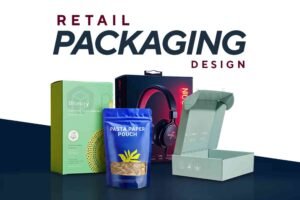
While modified atmosphere packaging focuses on preserving freshness, it is only one part of a complete packaging solution. Businesses also need packaging that protects the product and enhances its presentation.
For example, products displayed in retail environments may use blister cards to improve visibility and branding, while liquid or small-volume products can benefit from custom 60ml bottle boxes for added protection and shelf appeal.
Combining MAP with the right packaging design ensures both product quality and strong market presence.
FAQs
What is modified atmosphere packaging?
Modified atmosphere packaging is a method of changing the gas composition inside a package to extend shelf life and maintain food quality.
What gases are used in modified atmosphere packaging?
The most common gases are oxygen, carbon dioxide, and nitrogen, each serving a specific purpose in preserving the product.
Is modified atmosphere packaging safe?
Yes, it is safe when properly designed and used under correct storage conditions, especially with proper refrigeration.
What is the difference between MAP and vacuum packaging?
Vacuum packaging removes air, while MAP replaces it with a controlled gas mixture to better preserve product quality and appearance.
What products use modified atmosphere packaging?
It is commonly used for meat, seafood, fruits, vegetables, bakery items, and ready-to-eat meals.
Modified atmosphere packaging is a powerful solution for extending shelf life and maintaining food quality in today’s fast-moving supply chains. By carefully controlling the internal environment of a package, businesses can reduce waste, improve product appeal, and deliver better value to customers.
Looking for reliable and innovative packaging solutions? Buddypackagingco offers high-quality custom packaging designed to meet modern business needs. From eco-friendly materials to stylish designs, they help brands stand out in competitive markets. Explore their wide range of services and discover how the right packaging can elevate your product and create a lasting impression. Visit now to learn more.