Introduction
If you run an online business, understanding what is ecommerce packaging is essential for success. Ecommerce packaging is more than just a box. It protects your product, represents your brand, and shapes customer experience. In today’s competitive market, packaging can influence whether customers return or not. As online shopping continues to grow, businesses must focus on packaging that is functional, attractive, and cost-effective.
What Is Ecommerce Packaging Explained
Ecommerce packaging refers to all materials used to protect and deliver products sold online. Unlike retail packaging, it must handle shipping, handling, and long transit times. Therefore, durability is a key factor. At its core, ecommerce packaging includes outer boxes, inner cushioning, labeling, and branding elements. It ensures the product arrives safely and creates a memorable unboxing experience.
Understanding what is ecommerce packaging helps businesses design solutions that balance protection and presentation. This is especially important for fragile or premium items.
Why Ecommerce Packaging Is Important
Ecommerce packaging plays a critical role in online business success. First, it protects products from damage during shipping. Damaged goods lead to returns and unhappy customers. Second, it enhances brand identity. A well-designed package tells your brand story and builds trust. Customers often associate packaging quality with product quality.
Moreover, good packaging improves customer experience. Unboxing has become a powerful marketing tool. Many customers share their experiences on social media, giving your brand free exposure. Finally, efficient packaging reduces shipping costs. Lightweight and compact packaging can significantly lower expenses over time.
Types of Ecommerce Packaging
When exploring what is ecommerce packaging, it is helpful to understand its different types. Each serves a specific purpose depending on the product and business needs.
Primary Packaging
Primary packaging directly holds the product. It includes bottles, jars, or wrappers. This layer focuses on product safety and usability.
Secondary Packaging
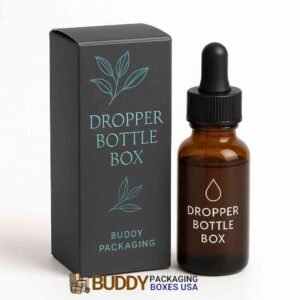
Secondary packaging adds an extra layer of protection. It often includes branded boxes or cartons. For example, businesses offering products in small quantities often use specialized solutions like custom 15ml bottle boxes to ensure safety and presentation. You can explore options here: custom 15ml bottle boxes.
Tertiary Packaging
Tertiary packaging is used for bulk shipping. It includes large cartons, pallets, and shrink wrap. This type is essential for logistics and transportation efficiency.
Key Elements of Ecommerce Packaging
Understanding what is ecommerce packaging also involves knowing its key components. Each element contributes to the overall effectiveness.
Outer Packaging
The outer layer is usually a corrugated box or mailer. It protects the product from external damage. Choosing the right size reduces shipping costs and waste.
Protective Materials
Cushioning materials like bubble wrap, foam, or paper fillers prevent movement inside the box. They are essential for fragile items.
Branding Elements
Custom printing, logos, and colors create a strong brand identity. Businesses often invest in custom packaging to stand out. For instance, using custom display boxes can enhance product visibility and branding. Learn more here: custom display boxes.
Labels and Inserts
Shipping labels ensure proper delivery. Inserts like thank-you notes or discount cards improve customer engagement and encourage repeat purchases.
Benefits of Ecommerce Packaging
There are several advantages to investing in high-quality ecommerce packaging. These benefits go beyond simple product protection. First, it reduces return rates. Proper packaging minimizes damage during transit. This saves costs and improves customer satisfaction.
Second, it boosts brand recognition. Consistent packaging design helps customers remember your brand. Third, it enhances customer loyalty. A pleasant unboxing experience encourages repeat purchases. Additionally, it supports sustainability goals. Eco-friendly packaging appeals to environmentally conscious consumers.
Best Practices for Ecommerce Packaging
To fully understand what is ecommerce packaging, you need to apply best practices. These strategies help optimize performance and customer experience. Choose the right packaging size for your product. Oversized boxes increase shipping costs and waste materials. Use durable materials that match the product type. Fragile items need extra protection, while sturdy products require less cushioning.
Focus on branding without overcomplicating design. Clean and simple packaging often works best. Test your packaging before shipping. Drop tests and transit simulations help identify weaknesses. Consider sustainability. Use recyclable or biodegradable materials whenever possible.
Ecommerce Packaging and Branding
Branding is a major aspect of ecommerce packaging. Your packaging is often the first physical interaction customers have with your brand. Consistent colors, logos, and messaging create a professional image. This builds trust and credibility.
Moreover, creative packaging can make your brand memorable. Unique designs encourage customers to share their experience online. Understanding what is ecommerce packaging allows businesses to turn packaging into a marketing tool. This can significantly increase brand visibility.
Sustainable Ecommerce Packaging
Sustainability is becoming increasingly important in ecommerce. Many customers prefer brands that care about the environment. Eco-friendly packaging uses recyclable, reusable, or biodegradable materials. It reduces environmental impact and improves brand reputation.
Minimalist packaging designs also help reduce waste. Using fewer materials lowers costs and supports sustainability. Businesses that prioritize sustainability often gain a competitive advantage in the market.
Common Mistakes to Avoid
Even after understanding what is ecommerce packaging, businesses can make mistakes. Avoiding these errors is crucial. Using low-quality materials can lead to product damage. This harms your reputation and increases returns.
Over-packaging is another issue. It wastes resources and raises shipping costs. Ignoring branding opportunities is also a missed chance. Plain packaging fails to create a lasting impression. Finally, neglecting customer experience can reduce repeat purchases. Always think from the customer’s perspective.
Future Trends in Ecommerce Packaging
The future of ecommerce packaging is evolving rapidly. Businesses must stay updated to remain competitive. Smart packaging is gaining popularity. It includes QR codes and tracking features for better customer interaction.
Personalization is another trend. Customized packaging creates a unique experience for each customer. Sustainable solutions will continue to grow. Companies are investing in innovative materials to reduce environmental impact. Automation is also improving packaging efficiency. Advanced systems help businesses scale operations while maintaining quality.
Conclusion
Now that you understand what is ecommerce packaging, it is clear that it plays a vital role in online business success. It is not just about protecting products but also about creating a strong brand identity and delivering a great customer experience. By choosing the right materials, focusing on branding, and adopting sustainable practices, businesses can gain a competitive edge. Ecommerce packaging is an investment that pays off in customer satisfaction and long-term growth.
If you’re planning to ship items, you might be wondering about cost-saving options. Many people ask, does usps give free packaging, and the answer is yes—USPS offers a variety of free boxes and envelopes for Priority Mail services. This can help reduce your overall shipping expenses while keeping your packages secure and professional.
FAQs
What is ecommerce packaging in simple words
Ecommerce packaging is the materials used to protect and deliver products sold online. It includes boxes, fillers, and branding elements.
Why is ecommerce packaging important
It protects products, reduces returns, and improves customer experience. It also helps build brand identity.
What materials are used in ecommerce packaging
Common materials include cardboard boxes, bubble wrap, paper fillers, and eco-friendly alternatives like biodegradable packaging.
How can ecommerce packaging reduce costs
Using the right size and lightweight materials lowers shipping costs. Efficient design also reduces waste.
What is sustainable ecommerce packaging
It uses eco-friendly materials that can be recycled or reused. This reduces environmental impact and appeals to customers.