Rigid packaging plays a crucial role in modern product presentation and protection. Businesses across industries rely on strong packaging solutions to maintain product safety, enhance brand value, and improve customer experience. If you have ever opened a luxury phone box, premium perfume package, or high-end gift box, you have likely encountered rigid packaging.
Understanding what is rigid packaging helps businesses choose the right packaging style for durability, aesthetics, and branding. Unlike flexible or semi-rigid packaging, rigid packaging keeps its shape and offers exceptional strength. This makes it ideal for products that require both protection and a premium look.
In today’s competitive market, packaging does more than hold a product. It communicates brand quality and builds customer trust. Therefore, companies increasingly invest in rigid packaging to elevate product perception while ensuring safety during shipping and storage.
Understanding What Is Rigid Packaging
Rigid packaging refers to packaging materials that maintain a fixed shape and do not easily bend or collapse. These packages are typically made from thick paperboard, plastic, glass, or metal materials designed to protect products from damage.
When exploring what is rigid packaging, it becomes clear that durability is its defining characteristic. Unlike flexible packaging such as pouches or bags, rigid containers remain stable even under pressure. This stability helps prevent crushing and keeps products intact during transportation.
Rigid packaging is commonly used for luxury goods, electronics, cosmetics, and fragile items. Many premium brands prefer rigid boxes because they create a memorable unboxing experience while protecting valuable products.
Furthermore, rigid packaging supports advanced printing, embossing, foil stamping, and magnetic closures. These features allow companies to design packaging that communicates sophistication and quality.
Key Characteristics of Rigid Packaging
To fully understand what is rigid packaging, it is important to examine the qualities that distinguish it from other packaging types.
Rigid packaging provides exceptional structural strength. The thick materials used in its construction prevent deformation and maintain the package shape even under heavy loads. This makes it ideal for protecting delicate products.
Another key characteristic is durability. Rigid packaging withstands handling, stacking, and transportation better than flexible packaging alternatives. Because of this reliability, businesses can confidently ship fragile or premium products.
Aesthetic appeal is also a defining feature. Rigid packaging allows advanced finishing techniques such as lamination, embossing, and custom textures. These design elements help brands create visually striking packaging that captures customer attention.
Additionally, rigid packaging enhances product presentation. When consumers open a well-designed rigid box, the experience feels more premium and memorable.
Common Materials Used in Rigid Packaging
Rigid packaging is produced using several strong materials. Each material offers unique advantages depending on the product and industry.
Paperboard and Chipboard
Paperboard is one of the most widely used materials in rigid packaging. It provides strength while remaining lightweight and customizable. Thick chipboard is often wrapped with decorative paper to create luxury rigid boxes.
Brands use paperboard rigid packaging for electronics, cosmetics, and gift items because it balances protection with premium aesthetics.
Plastic Rigid Packaging
Plastic containers are another common rigid packaging solution. They offer durability, moisture resistance, and transparency. Many food products, beverages, and household items rely on rigid plastic packaging to maintain freshness and visibility.
Plastic rigid packaging also allows molded shapes that enhance product presentation and usability.
Glass Packaging
Glass is frequently used for beverages, cosmetics, and pharmaceuticals. Its rigid structure protects contents while preserving purity and quality.
Glass packaging also communicates luxury and environmental responsibility. Many brands prefer glass because it is recyclable and visually appealing.
Metal Packaging
Metal packaging, including aluminum and steel containers, provides exceptional protection. These materials prevent contamination and extend product shelf life.
Metal rigid packaging is widely used in food preservation, aerosol products, and beverage cans due to its strength and durability.
Why Businesses Choose Rigid Packaging
Many companies choose rigid packaging because it combines product protection with premium branding opportunities.
First, rigid packaging ensures superior protection. Fragile items such as electronics, cosmetics, and glass bottles require packaging that can withstand pressure and impact. Rigid boxes and containers provide that level of security.
Second, rigid packaging enhances brand perception. Customers often associate sturdy packaging with higher product quality. Luxury brands especially rely on rigid packaging to reinforce their premium image.
Another reason businesses adopt rigid packaging is its excellent customization capability. Companies can design unique box shapes, inserts, textures, and finishes to create memorable packaging experiences.
Additionally, rigid packaging improves shelf presence. Retail displays become more attractive when products are packaged in sturdy, visually appealing boxes.
Industries That Commonly Use Rigid Packaging
Rigid packaging appears across many industries because of its protective and aesthetic benefits.
The electronics industry uses rigid packaging extensively. Smartphones, headphones, and gadgets often arrive in structured boxes with protective inserts. This packaging keeps products secure while delivering a premium unboxing experience.
Cosmetic brands also rely heavily on rigid packaging. Perfumes, skincare kits, and makeup collections are frequently packaged in luxury rigid boxes. These packages reinforce brand identity and enhance perceived product value.
Food and beverage companies use rigid containers such as glass jars, plastic tubs, and metal cans. These packages help maintain freshness while protecting products from contamination.
Gift and retail packaging also depend on rigid boxes. High-end chocolates, jewelry, and specialty items often come in rigid packaging to create an elegant presentation.
Rigid Packaging vs Flexible Packaging
Understanding what is rigid packaging becomes easier when comparing it with flexible packaging.
Rigid packaging maintains its shape regardless of pressure. Flexible packaging, on the other hand, bends or folds easily. Examples of flexible packaging include pouches, plastic bags, and shrink wraps.
Rigid packaging typically provides better protection. This makes it suitable for fragile or premium products. Flexible packaging is often used for lightweight items and offers cost efficiency.
Another difference lies in branding opportunities. Rigid packaging allows more elaborate designs and structures. Flexible packaging focuses more on convenience and portability.
Despite these differences, both packaging types serve important roles in the supply chain.
Sustainability and Rigid Packaging
Sustainability has become a critical consideration in packaging design. Fortunately, rigid packaging can align with eco-friendly practices.
Many rigid packaging materials are recyclable. Glass, aluminum, and paperboard can be recycled multiple times without losing quality. This reduces waste and supports circular economies.
Brands also adopt biodegradable coatings and sustainable paper sources for rigid boxes. These innovations help minimize environmental impact.
Additionally, rigid packaging is often reusable. Consumers frequently keep sturdy boxes for storage or gift purposes. This extended life cycle reduces the need for additional packaging materials.
Companies that prioritize sustainable rigid packaging strengthen their reputation among environmentally conscious consumers.
Rigid Packaging in Branding and Customer Experience
Packaging is often the first physical interaction customers have with a brand. Rigid packaging enhances this interaction by delivering a memorable unboxing experience.
Luxury brands invest heavily in rigid packaging design because it communicates value and craftsmanship. Magnetic closures, ribbon pulls, and foam inserts transform simple packaging into a premium presentation.
Furthermore, rigid packaging encourages social sharing. Many customers post unboxing videos online, especially for high-quality packaging designs. This user-generated content becomes powerful marketing for brands.
Businesses that focus on creative rigid packaging often build stronger emotional connections with their customers.
Packaging suppliers also offer specialized solutions for niche markets. For example, companies involved in collectible or specialty products may require durable storage options similar to professional coin packaging solutions that protect valuable items while maintaining presentation quality.
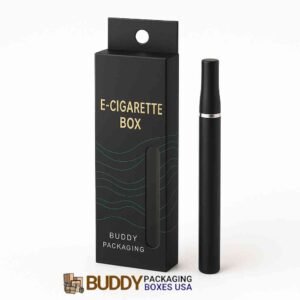
Similarly, industries that require secure retail packaging often use rigid structures similar to high-quality cigarette boxes, which are designed to preserve product integrity and enhance shelf visibility.
How Rigid Packaging Improves Product Protection
Product damage during transportation can lead to significant financial losses. Rigid packaging minimizes these risks through its strong structure and protective features.
Rigid boxes often include inserts made from foam, molded pulp, or cardboard. These inserts keep products securely in place during shipping. By preventing movement, the packaging reduces the chance of breakage.
Additionally, rigid packaging provides resistance against compression. When packages are stacked during shipping, the sturdy materials maintain structural integrity.
This level of protection is particularly important for electronics, glass containers, cosmetics, and luxury items.
Future Trends in Rigid Packaging
The rigid packaging industry continues to evolve as brands seek better protection, sustainability, and design innovation.
One growing trend is smart packaging technology. Companies are integrating QR codes, NFC tags, and augmented reality elements into rigid packaging. These features enhance customer engagement and provide additional product information.
Another emerging trend is eco-friendly material innovation. Manufacturers are developing recyclable coatings, biodegradable materials, and lightweight rigid packaging alternatives.
Customization technology is also advancing. Digital printing and advanced die-cutting allow brands to produce unique packaging designs more efficiently.
These developments ensure rigid packaging will remain a key component of modern packaging strategies.
Frequently Asked Questions
What is rigid packaging used for?
Rigid packaging is used to protect fragile or premium products such as electronics, cosmetics, beverages, and luxury goods. Its strong structure ensures product safety during shipping and storage.
What materials are used in rigid packaging?
Rigid packaging commonly uses materials such as paperboard, plastic, glass, and metal. Each material offers unique benefits depending on product requirements.
Is rigid packaging environmentally friendly?
Rigid packaging can be environmentally friendly when made from recyclable materials such as paperboard, glass, or aluminum. Many companies now prioritize sustainable packaging solutions.
Why do luxury brands prefer rigid packaging?
Luxury brands prefer rigid packaging because it enhances product presentation, improves protection, and creates a premium unboxing experience.
What is the difference between rigid and flexible packaging?
Rigid packaging maintains a fixed shape and offers strong protection. Flexible packaging bends easily and is typically used for lightweight or non-fragile products.
Understanding what is rigid packaging is essential for businesses seeking durable, premium, and visually appealing packaging solutions. Rigid packaging protects products, strengthens brand perception, and enhances the customer experience.