Introduction
The rapid growth of online shopping has transformed how products are packed and delivered. Understanding what is the future of e-commerce packaging is essential for businesses aiming to stay competitive. Packaging is no longer just about protection. It now plays a key role in branding, sustainability, and customer experience. As consumer expectations evolve, companies must adapt their packaging strategies to meet new demands while remaining cost-effective.
The Shift Toward Sustainable Packaging
One of the most important trends shaping what is the future of e-commerce packaging is sustainability. Consumers are more aware of environmental issues than ever before. As a result, they expect brands to reduce waste and use eco-friendly materials.
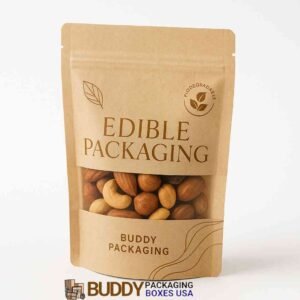
Businesses are moving away from plastic-heavy packaging and adopting biodegradable, recyclable, and compostable materials. Cardboard, kraft paper, and plant-based packaging solutions are becoming standard. Minimalist designs are also gaining popularity, reducing unnecessary layers and lowering shipping costs.
Sustainable packaging is not just a trend. It is becoming a requirement. Governments and organisations are introducing regulations to reduce carbon footprints. Therefore, companies investing in green packaging solutions today are preparing for long-term success.
Smart Packaging and Technology Integration
Another key aspect of what is the future of e-commerce packaging is the integration of smart technology. Packaging is becoming more interactive and informative. QR codes, NFC tags, and augmented reality features are being used to engage customers.
These technologies allow brands to provide additional product information, track shipments, and enhance user experiences. For example, a simple scan can lead customers to tutorials, promotions, or brand stories. This not only adds value but also strengthens customer relationships.
Moreover, smart packaging helps improve supply chain efficiency. Businesses can monitor product conditions, track inventory, and reduce losses during transit.
Personalisation and Brand Experience
In the future, packaging will play a major role in creating memorable customer experiences. Personalisation is becoming a powerful tool for e-commerce brands. Customers appreciate packaging that feels unique and tailored to them.
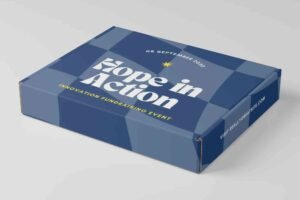
Custom printing, personalised messages, and creative designs are transforming ordinary boxes into marketing tools. For instance, using custom mailer boxes allows businesses to reflect their brand identity while ensuring safe delivery. This approach helps create a strong first impression and encourages repeat purchases.
Unboxing experiences are also becoming more important. Social media platforms have made unboxing videos popular. Attractive packaging can turn customers into brand advocates, increasing visibility and trust.
Right-Sizing and Waste Reduction
Efficiency is a major focus when discussing what is the future of e-commerce packaging. Right-sizing packaging is one of the most effective ways to reduce waste and costs. Oversized boxes not only waste materials but also increase shipping expenses.
Advanced packaging systems now allow companies to create boxes that perfectly fit products. This reduces the need for fillers and minimises environmental impact. It also improves logistics by optimising storage and transportation.
In addition, reducing packaging waste aligns with consumer expectations. Customers prefer brands that take steps to minimise their environmental footprint.
Automation in Packaging Processes
Automation is revolutionising the packaging industry. As e-commerce continues to grow, businesses need faster and more efficient systems. Automated packaging solutions help meet high demand while maintaining consistency.
Machines can now pack products, seal boxes, and label shipments with minimal human intervention. This reduces errors and speeds up operations. It also allows companies to handle large volumes during peak seasons.
Automation supports scalability. As businesses expand, they can increase production without compromising quality. This makes it a crucial factor in shaping what is the future of e-commerce packaging.
Protective Packaging Innovations
While sustainability and aesthetics are important, protection remains a top priority. Future packaging solutions are focusing on advanced materials that provide better protection with less weight.
Innovations such as air cushions, molded pulp, and biodegradable foam alternatives are replacing traditional materials. These options are both eco-friendly and effective in preventing damage during shipping.
For fragile products, specialised solutions like custom 5ml bottle boxes ensure safety while maintaining a professional appearance. These tailored designs reduce the risk of breakage and enhance customer satisfaction.
The Role of Circular Economy
The concept of a circular economy is becoming central to what is the future of e-commerce packaging. This approach focuses on reusing and recycling materials to create a closed-loop system.
Brands are encouraging customers to return packaging for reuse or recycling. Some companies are introducing refillable packaging models, reducing the need for single-use materials.
This shift not only benefits the environment but also builds trust with eco-conscious consumers. It shows a commitment to sustainability and responsible business practices.
Cost Efficiency and Business Growth
Balancing cost and quality is essential for e-commerce businesses. Future packaging solutions aim to reduce costs without compromising performance. Lightweight materials, efficient designs, and automation all contribute to cost savings.
At the same time, high-quality packaging enhances brand perception. Customers associate good packaging with reliable products. This can lead to higher customer retention and increased sales.
Investing in innovative packaging is not just an expense. It is a strategic decision that supports long-term growth.
Consumer Expectations and Behaviour
Understanding customer behaviour is key to predicting what is the future of e-commerce packaging. Modern consumers value convenience, sustainability, and aesthetics. They want packaging that is easy to open, recyclable, and visually appealing.
Transparency is also important. Customers prefer brands that clearly communicate their packaging materials and environmental impact. Providing this information builds trust and loyalty.
As consumer expectations continue to evolve, businesses must stay flexible and responsive. Adapting to these changes will be essential for success in the competitive e-commerce landscape.
The Impact of Global Trends
Global trends such as urbanisation, digitalisation, and environmental awareness are shaping the future of packaging. Urban consumers demand faster deliveries and efficient packaging solutions. Digitalisation drives the need for smart and interactive packaging.
At the same time, environmental concerns are pushing companies to adopt sustainable practices. These global influences are interconnected, creating new challenges and opportunities for businesses.
Staying informed about these trends helps companies make better decisions and remain competitive in the market.
Conclusion
In conclusion, understanding what is the future of e-commerce packaging reveals a dynamic and evolving landscape. Sustainability, technology, personalisation, and efficiency are driving innovation in this field. Businesses that embrace these trends will be better positioned to meet customer expectations and achieve long-term success.
Packaging is no longer just a protective layer. It is a powerful tool for branding, customer engagement, and environmental responsibility. By investing in modern solutions and staying ahead of trends, companies can create meaningful experiences that set them apart.
If you want to enhance your e-commerce business, now is the time to rethink your packaging strategy. Explore innovative options and adopt sustainable practices to stay ahead in the competitive market.
FAQs
What is the future of e-commerce packaging focused on
The future focuses on sustainability, smart technology, and improved customer experience. Businesses aim to reduce waste and enhance efficiency.
Why is sustainable packaging important in e-commerce
Sustainable packaging reduces environmental impact and meets consumer expectations. It also helps businesses comply with regulations.
How does packaging affect customer experience
Packaging creates the first physical impression of a brand. Attractive and functional packaging improves satisfaction and encourages repeat purchases.
What are smart packaging solutions
Smart packaging includes features like QR codes and sensors. These provide additional information and improve tracking and engagement.
How can businesses reduce packaging costs
Businesses can reduce costs by using right-sized packaging, lightweight materials, and automation. These methods improve efficiency and minimise waste.
What Does Refreshed Packaging Mean On Amazon refers to products that come in updated or simplified packaging, often to reduce waste and improve sustainability. These items are typically the same in quality and functionality but may arrive in eco-friendly or minimal boxes instead of traditional retail packaging, helping brands lower environmental impact while maintaining customer satisfaction.