Introduction
Blister packaging is one of the most widely used packaging methods across multiple industries today. If you have ever opened a pack of tablets, batteries, or small consumer goods, you have likely experienced blister packaging firsthand. Understanding what is blister packaging helps businesses choose the right solution for product safety, visibility, and cost efficiency.
In simple terms, blister packaging is a type of pre-formed plastic packaging that securely holds a product in a cavity, usually backed by paperboard, aluminium foil, or plastic. It protects the product while allowing customers to clearly see what they are buying. Because of this balance between protection and presentation, blister packaging remains a popular choice worldwide.
Understanding What Is Blister Packaging in Detail
To fully grasp what is blister packaging, it is important to look at how it is designed and used. The packaging consists of two main parts. The first is a clear plastic cavity or pocket that is shaped to fit the product. The second is the backing material that seals the product inside.
This packaging method is commonly used in industries such as pharmaceuticals, electronics, cosmetics, and food. It ensures that products remain tamper-proof, hygienic, and visually appealing.
Moreover, blister packaging is often chosen because it provides excellent durability without adding excessive weight. This makes it ideal for both retail display and transportation.
How Blister Packaging Works
When discussing what is blister packaging, the process behind it plays a key role. The plastic sheet is heated and formed into a mould that matches the shape of the product. Once the cavity is created, the product is placed inside, and a backing material is sealed to secure it.
This process ensures a tight fit, reducing movement and protecting the product from damage. At the same time, the transparent plastic allows customers to inspect the product before purchase, which increases trust and boosts sales.
In addition, manufacturers can customise the size, shape, and design of the blister to match specific branding needs.
Types of Blister Packaging
To better understand what is blister packaging, it is helpful to explore its different types. Each type serves a unique purpose depending on the product and industry.
Face Seal Blister Packaging
Face seal blister packaging is one of the simplest forms. The plastic blister is attached to a cardboard backing, and the product is visible from the front. This type is commonly used for lightweight items such as toys and small tools.
Full Face Seal Blister Packaging
In this variation, the plastic covers the entire front surface of the card. This provides better protection and a more premium appearance. It is often used for consumer electronics and accessories.
Clamshell Packaging
Clamshell packaging consists of two plastic halves that fold together. It offers excellent protection and is often used for heavier products. However, it may require tools to open, which can affect user convenience.
Trapped Blister Packaging
This type sandwiches the blister between two layers of cardboard. It provides a neat and secure finish without using adhesives. It is commonly used for retail packaging that requires a clean design.
Benefits of Blister Packaging
Understanding what is blister packaging also involves recognising its advantages. One of the biggest benefits is product visibility. Customers can see the product clearly without opening the package.
Another key benefit is protection. Blister packaging keeps products safe from moisture, dust, and physical damage. This is especially important for pharmaceuticals and food items.
It also offers tamper evidence. If the package is opened or damaged, it is immediately noticeable. This builds trust with consumers and ensures product integrity.
Additionally, blister packaging is cost-effective. It uses minimal material while still providing strong protection. This makes it a preferred option for many manufacturers.
Industries That Use Blister Packaging
Blister packaging is used across a wide range of industries. In the pharmaceutical sector, it is commonly used for tablets and capsules. It helps maintain hygiene and ensures accurate dosage.
In the electronics industry, blister packaging protects small items such as batteries, chargers, and accessories. It also enhances product presentation on retail shelves.
The food industry also benefits from blister packaging, particularly for items like chocolates and ready-to-eat snacks. It keeps products fresh and visually appealing.
Similarly, cosmetics brands use blister packaging to showcase items such as lipsticks and skincare samples. This allows customers to see the product before buying.
Materials Used in Blister Packaging
When exploring what is blister packaging, it is important to consider the materials involved. The plastic used is typically PVC, PET, or similar مواد that are lightweight and durable.
The backing material can vary depending on the application. Paperboard is commonly used for retail packaging, while aluminium foil is preferred for pharmaceuticals due to its barrier properties.
These material choices ensure that the packaging meets both functional and aesthetic requirements.
Blister Packaging vs Other Packaging Types
To better understand what is blister packaging, comparing it with other packaging methods can be useful. Unlike flexible packaging, blister packaging offers a rigid structure that protects delicate items.
Compared to boxes, it provides better visibility. Customers can see the product without opening the package, which enhances the buying experience.
However, blister packaging may not be suitable for all products. Larger or irregularly shaped items may require alternative packaging solutions.
Sustainability and Blister Packaging
Sustainability is an important factor when discussing what is blister packaging. Traditional plastic materials can have environmental impacts. However, many manufacturers are now adopting eco-friendly alternatives.
Recyclable plastics and biodegradable materials are becoming more common. In addition, reducing material usage and improving recycling processes can help minimise environmental impact.
Businesses are also exploring innovative designs that use less plastic while maintaining product protection.
Customisation in Blister Packaging
Customisation plays a major role in modern packaging. When considering what is blister packaging, businesses can tailor it to meet branding and functional needs.
For example, companies can design unique shapes and sizes that fit their products perfectly. They can also print branding elements on the backing card to enhance visual appeal.
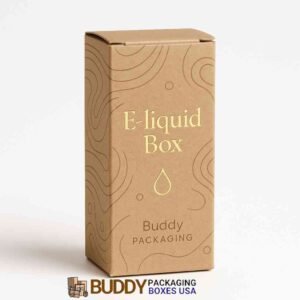
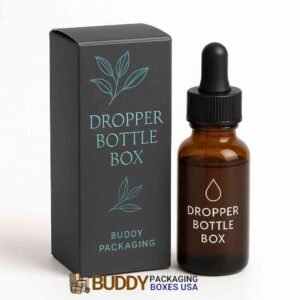
If you are looking for specialised packaging solutions, options like custom 5ml bottle boxes can complement blister packaging for small liquid products. Similarly, solutions such as CBD gummies packaging offer tailored designs for food and wellness items.
These customised approaches help brands stand out in competitive markets.
Challenges of Blister Packaging
While blister packaging offers many benefits, it also comes with some challenges. One of the main concerns is environmental impact due to plastic use.
Another challenge is opening the packaging. Some designs can be difficult to open, which may frustrate customers.
Additionally, the initial setup cost for moulds and tooling can be higher compared to simpler packaging methods. However, this cost is often offset by long-term efficiency and durability.
Future Trends in Blister Packaging
The future of blister packaging is evolving rapidly. As businesses continue to innovate, new materials and technologies are being introduced.
Smart packaging features, such as QR codes and digital tracking, are becoming more common. These features enhance customer engagement and provide additional product information.
At the same time, sustainability will remain a key focus. Companies are investing in eco-friendly materials and processes to reduce their environmental footprint.
As a result, blister packaging will continue to play a vital role in modern packaging solutions.
Understanding what is blister packaging is essential for businesses and consumers alike. It is a versatile and efficient packaging solution that offers protection, visibility, and cost-effectiveness.
From pharmaceuticals to electronics, blister packaging serves a wide range of industries. Its ability to combine functionality with visual appeal makes it a preferred choice for many products.
If you are looking to improve your product packaging, now is the perfect time to explore blister packaging solutions. Choose a design that aligns with your brand and meets your product needs. Investing in the right packaging can significantly enhance your product’s success in the market.
What Is PR Packaging refers to curated product bundles sent by brands to influencers, journalists, or creators to promote awareness and generate buzz. These packages are designed to reflect a brand’s identity while creating a memorable unboxing experience. PR packaging plays a key role in modern marketing, helping businesses build relationships, boost visibility, and encourage authentic reviews across digital platforms.
FAQs
What is blister packaging used for
Blister packaging is used to protect and display products such as medicines, electronics, and food items. It keeps them safe and visible.
Why is blister packaging popular
Blister packaging is popular because it offers strong protection, clear visibility, and tamper evidence. It also enhances product presentation.
Is blister packaging recyclable
Some blister packaging materials are recyclable. However, it depends on the type of plastic and backing used.
What are the main advantages of blister packaging
The main advantages include product protection, visibility, cost-effectiveness, and tamper resistance.
Can blister packaging be customised
Yes, blister packaging can be customised in size, shape, and design to match branding and product requirements.