Introduction
If you’ve ever received a product in a branded box or seen items grouped together on store shelves, you’ve already encountered secondary packaging. But what is secondary packaging, and why is it so important in modern logistics and branding?
In simple terms, secondary packaging refers to the outer layer that groups primary packaged products together. While primary packaging directly holds the product (like a bottle or wrapper), secondary packaging plays a crucial role in protection, transportation, and marketing.
From eCommerce businesses to retail giants, companies rely heavily on secondary packaging to ensure their products reach customers safely and leave a lasting impression. In this guide, we’ll explore everything you need to know about secondary packaging, including its types, benefits, and real-world applications.
What Is Secondary Packaging?
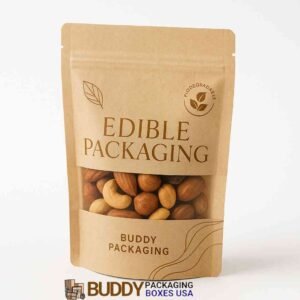
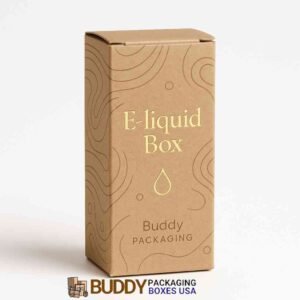
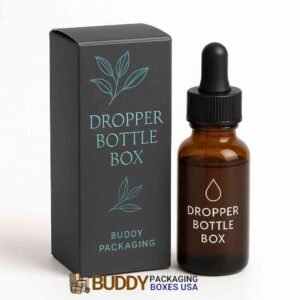
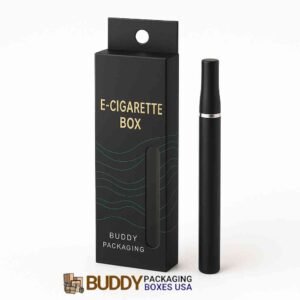
Secondary packaging is the layer of packaging that surrounds primary packaging to group products together for easier handling, storage, and transport. It is not in direct contact with the product but acts as a protective and organizational barrier.
Key Characteristics of Secondary Packaging
- Groups multiple products into one unit
- Provides additional protection during shipping
- Enhances branding and product presentation
- Makes storage and logistics more efficient
For example, a single bottle of juice (primary packaging) might be placed inside a cardboard box along with several other bottles. That box is the secondary packaging.
Difference Between Primary, Secondary, and Tertiary Packaging
Understanding secondary packaging becomes easier when compared with other packaging levels.
Primary Packaging
- Directly holds the product
- Examples: bottles, cans, wrappers
Secondary Packaging
- Groups primary packages together
- Examples: boxes, cartons
Tertiary Packaging
- Used for bulk handling and transportation
- Examples: pallets, shrink wrap
Each layer plays a unique role in the supply chain, but secondary packaging acts as the bridge between product safety and brand visibility.
Types of Secondary Packaging
Secondary packaging comes in many forms depending on the industry and product type.
Cardboard Boxes
Cardboard boxes are the most common form of secondary packaging. They are lightweight, cost-effective, and customizable.
Businesses often use custom solutions like champagne flute box designs to ensure fragile items are safely packaged while maintaining a premium look.
Cartons
Cartons are widely used in retail for products like food, cosmetics, and pharmaceuticals. They offer both protection and branding opportunities.
Shrink Wrap
Shrink wrap is used to bundle multiple items together. It’s commonly seen in beverage packs and bulk goods.
Corrugated Packaging
Corrugated materials provide extra strength and durability, making them ideal for shipping and logistics.
Plastic Crates
Reusable plastic crates are often used in industries like agriculture and beverage distribution.
Functions of Secondary Packaging
Secondary packaging serves multiple essential functions in the supply chain.
Product Protection
It shields products from damage during transportation and storage. Fragile items especially rely on strong secondary packaging.
Branding and Marketing
Secondary packaging is often the first thing customers see. Eye-catching designs can enhance brand recognition and influence purchasing decisions.
Easy Handling and Transport
Grouping products into a single package makes it easier to move, stack, and store them efficiently.
Information Display
It provides space for product details, instructions, and branding elements.
Sustainability Support
Many companies now use eco-friendly materials in their secondary packaging to reduce environmental impact.
Benefits of Secondary Packaging
Investing in high-quality secondary packaging offers several advantages.
Improved Product Safety
Products are less likely to be damaged during transit.
Enhanced Customer Experience
Well-designed packaging creates a memorable unboxing experience.
Better Inventory Management
Grouped packaging simplifies storage and tracking.
Cost Efficiency
Bulk packaging reduces shipping costs and improves logistics.
Brand Differentiation
Unique packaging designs help products stand out in competitive markets.
For example, brands using custom dog food boxes can combine durability with attractive designs to appeal to pet owners.
Secondary Packaging in Different Industries
Secondary packaging is used across various industries, each with specific requirements.
Food and Beverage Industry
- Protects perishable items
- Ensures hygiene and safety
Pharmaceutical Industry
- Provides secure packaging for medicines
- Includes important labeling information
E-commerce
- Ensures safe delivery to customers
- Enhances unboxing experience
Retail
- Helps display products attractively
- Supports brand identity
Materials Used in Secondary Packaging
The choice of material depends on the product type and transportation needs.
Paperboard and Cardboard
- Lightweight and recyclable
- Ideal for retail packaging
Corrugated Fiberboard
- Strong and durable
- Perfect for shipping
Plastic
- Flexible and moisture-resistant
- Used for shrink wrap and crates
Metal
- Rare but used for heavy-duty applications
Sustainability in Secondary Packaging
Sustainability has become a major focus in packaging design.
Eco-Friendly Materials
Many companies now use biodegradable or recyclable materials to reduce waste.
Minimalist Packaging
Reducing excess packaging helps lower costs and environmental impact.
Reusable Packaging
Reusable crates and containers are gaining popularity in logistics.
Consumer Awareness
Customers increasingly prefer brands that use sustainable packaging solutions.
How to Choose the Right Secondary Packaging
Selecting the right secondary packaging depends on several factors.
Product Type
Fragile items require stronger packaging materials.
Transportation Needs
Long-distance shipping demands durable packaging.
Branding Goals
Custom designs can enhance brand visibility.
Budget
Balancing quality and cost is essential.
Sustainability Goals
Eco-friendly options can improve brand reputation.
Common Mistakes to Avoid
Even experienced businesses can make mistakes when choosing secondary packaging.
Over-Packaging
Using excessive materials increases costs and waste.
Ignoring Branding
Plain packaging misses marketing opportunities.
Poor Material Choice
Weak materials can lead to product damage.
Lack of Testing
Packaging should be tested for durability before use.
Future Trends in Secondary Packaging
The packaging industry continues to evolve with new trends.
Smart Packaging
Includes QR codes and tracking features.
Automation
Packaging processes are becoming more automated for efficiency.
Sustainable Innovations
New materials and designs focus on reducing environmental impact.
Customization
Brands are investing in personalized packaging to enhance customer engagement.
So, what is secondary packaging? It’s much more than just an outer layer—it’s a critical component of product protection, branding, and logistics. From improving customer experience to ensuring safe delivery, secondary packaging plays a vital role in modern business operations.
FAQs
What is an example of secondary packaging?
A cardboard box that holds multiple product units, like a box containing several bottles or items, is a common example of secondary packaging.
Why is secondary packaging important?
It protects products during shipping, improves handling, and enhances branding.
Is secondary packaging necessary for all products?
Not always, but it is highly recommended for products that require protection, grouping, or branding.
What materials are used in secondary packaging?
Common materials include cardboard, corrugated fiberboard, plastic, and paperboard.
How does secondary packaging differ from tertiary packaging?
Secondary packaging groups products, while tertiary packaging is used for bulk transport and logistics, such as pallets.
In today’s competitive market, high-quality packaging plays a crucial role in building brand identity and customer trust. Choosing reliable solutions ensures your products remain safe and visually appealing. Explore innovative and cost-effective packaging options with buddypackagingco to enhance your business presence and deliver a professional experience to your customers.