What Is Packaging: A Complete Guide for Businesses & Consumers
Packaging surrounds nearly every product we buy, yet most people rarely pause to think about what is packaging and why it matters so much. From the cereal box on your breakfast table to the custom-designed box that adds meaning to a gift—packaging plays a vital role in protection, communication, branding, and sustainability.
In this comprehensive guide, we’ll explore packaging in detail: its definition, history, purpose, materials, types, design principles, environmental concerns, and emerging trends. Whether you’re a small business owner, a marketer, or simply curious, you’ll come away with a full understanding of packaging and how it shapes both physical products and customer experiences.
What Is Packaging?
At its core, packaging refers to the materials and processes used to enclose, protect, and present products from manufacture to end use. Packaging isn’t just a container—it’s a bridge between a brand and the consumer, balancing functionality with aesthetics.
Effective packaging is more than wrapping a product—it’s communicating value. It protects items from damage, influences buying decisions, conveys essential information (like ingredients, instructions, and warnings), and reflects a company’s values. Today, packaging also plays a central role in sustainability, as consumers and regulators demand eco‑friendly solutions.
In simple terms, what is packaging? It’s the art and science of designing and producing enclosures that protect, inform, and inspire.
Why Packaging Matters
Packaging is essential at every stage of a product’s lifecycle—from production and distribution to retail display and final use.
Protection & Preservation
One of packaging’s primary responsibilities is to safeguard products. This includes:
- Physical protection against drops, impacts, and vibrations
- Barrier protection against moisture, oxygen, light, or contaminants
- Preservation of quality—especially for food, pharmaceuticals, and perishables
Without proper packaging, products could spoil, break, or deteriorate before reaching consumers.
Communication & Information
Packaging communicates key information such as:
- Product description and usage
- Ingredients or components
- Safety warnings and legal compliance
- Brand messaging and values
This function is not only informative but also legally required in many industries.
Branding & Consumer Appeal
Packaging is often a consumer’s first physical interaction with a product. Good packaging design can:
- Create emotional appeal
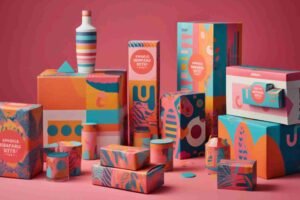
- Differentiate brands on crowded shelves
- Reinforce brand identity through color, typography, and messaging
For products like cosmetics or premium gifts, packaging becomes part of the experience itself.
A Short History: How Packaging Evolved
Understanding what is packaging requires a look back at its history.
Early Packaging
In ancient times, people used natural materials like leaves, animal skins, and shells to carry goods. The Egyptians developed pottery containers, and the Romans used wooden barrels and amphorae to transport wine and oil.
Industrial Revolution
Mass production in the 18th and 19th centuries drove the need for standardized packaging. Tin cans, glass bottles, and paperboard boxes emerged as practical solutions for long‑distance shipping.
Modern Packaging
The 20th century brought plastics, vacuum sealing, and more sophisticated labeling. With the rise of retail, packaging became a competitive tool for attracting consumers.
Today, digital printing, smart technologies, and sustainable materials are transforming how we think about packaging.
Different Types of Packaging
Packaging can be classified in many ways—by function, material, or industry. Below are some of the most common types.
By Function
Primary Packaging
This is the first layer in direct contact with the product. Examples:
- Bottles for beverages
- Wrappers for candy bars
- Blister packs for pills
Primary packaging often focuses on protection and convenience.
Secondary Packaging
Secondary packaging groups primary packages together for storage or display, such as:
- Retail boxes
- Shrink wrap bundles
- Cartons
This layer can enhance branding when products are on the shelf.
Tertiary Packaging
Used mainly for shipping and logistics:
- Pallets
- Corrugated cardboard shipping boxes
- Stretch film
Tertiary packaging is critical for protecting goods during transport and handling.
By Material
Paper & Paperboard
Lightweight, recyclable, and versatile—paper packaging is widely used for cartons, labels, and bags.
Plastic
Plastic is strong, flexible, and moisture‑resistant. It’s used in bottles, pouches, and rigid containers. However, sustainability concerns are pushing brands toward alternatives.
Glass
Glass is inert (doesn’t react with contents), recyclable, and premium‑feeling—ideal for beverages, cosmetics, and food jars.
Metal
Metal packaging, like aluminum cans and tin containers, offers excellent barrier protection and recyclability.
Bio‑Based & Compostable Materials
New innovations include plant‑based plastics, molded pulp, and compostable films designed to reduce environmental impact.
Key Elements of Good Packaging Design
Understanding what is packaging also means recognizing what makes packaging effective. Great design balances several core elements:
Functionality
A package must do its basic job—protect and contain the product. If it fails in this, no amount of aesthetics can redeem it.
Usability
User‑friendly packaging improves customer experience. Easy‑open features, resealable closures, and clear instructions all matter.
Aesthetics & Branding
Design choices—like color, imagery, and typography—should reflect the brand and appeal to target audiences.
Sustainability
Modern consumers value eco‑friendly solutions. Packaging designers are now judged on recyclability, material efficiency, and reduced waste.
Real‑World Packaging Examples
Packaging isn’t one‑size‑fits‑all. Let’s look at a few real applications.
Food Packaging
Food packaging must maintain hygiene, freshness, and shelf life. Examples include vacuum films, boxes, trays, and resealable bags.
A specific category here is cat food boxes, which are designed for both dry and wet pet food, balancing nutrition safety and ease of use for pet owners. These specialized boxes often include inner liners or pouches that preserve freshness and simplify storage.
Beverage Packaging
Beverage packaging varies from cans to glass bottles. For specialty drinks, attention to design elevates the product. A popular choice for spirits and premium drinks is custom bottle boxes, which add unboxing appeal while protecting fragile glass.
E‑Commerce Packaging
Online shopping has shifted packaging priorities. E‑commerce packaging must endure transit stress, reduce waste, and offer a memorable unboxing.
Companies now use branded mailers, protective inserts, and eco‑friendly alternatives to enhance customer satisfaction.
The Role of Packaging in Sustainability
As awareness about environmental impact grows, so does scrutiny of packaging practices.
Why Sustainability Matters
Traditional materials like certain plastics contribute to pollution and landfill accumulation. Consumers increasingly prefer brands that prioritize sustainability.
Sustainable Packaging Strategies
Some common approaches include:
- Reducing material usage
- Using recyclable or compostable materials
- Designing for reuse
- Minimizing packaging overall
Recycling infrastructure, consumer behavior, and material innovation all influence how successfully packaging serves sustainability goals.
Emerging Trends in Packaging
Packaging continues to evolve as new technologies and consumer expectations shape the landscape.
Smart Packaging
Smart packaging integrates technology like QR codes, sensors, and NFC chips to provide product information, track freshness, or authenticate goods.
Personalization
Personalized packaging—whether through printing customer names or tailoring designs to segments—enhances engagement and loyalty.
Minimalism
Minimalist packaging focuses on simplicity, reducing materials and visual clutter while communicating clear brand values.
How Packaging Influences Buying Decisions
Packaging is a silent salesperson. Research shows that packaging design influences consumer decisions in several ways:
- Shelf impact: Distinctive packaging attracts attention
- Perceived quality: Premium packaging suggests premium products
- Trust & transparency: Clear labeling builds confidence
- Emotional appeal: Colors, images, and storytelling engage feelings
In today’s market, packaging is part practical necessity and part marketing tool.
Challenges in Packaging
While packaging offers many benefits, it also presents challenges.
Balancing Cost & Quality
High‑quality, sustainable materials often cost more. Brands must balance investment with profitability.
Consumer Education
Even recyclable packaging fails if consumers don’t dispose of it correctly. Education and clear symbols help guide proper recycling behavior.
Regulatory Compliance
Packaging must meet legal requirements for labeling, safety, and sustainability standards—a complex task for global products.
Packaging Is More Than a Box
Now that you’ve learned what is packaging, it’s clear that packaging is foundational to product success. It protects, communicates, and enhances the customer experience. Packaging influences sustainability, buying decisions, and even brand reputation.
Whether you’re launching a new product or refreshing your brand, thoughtful packaging design can set you apart.
FAQs
What is packaging in simple terms?
Packaging is the material and process used to enclose and protect products, communicate information, and enhance presentation from the factory to the consumer.
Why is packaging important?
Packaging protects products, provides essential information, supports branding, and can improve sustainability when designed responsibly.
What are the main types of packaging?
The three functional types are primary (direct product contact), secondary (groups products), and tertiary (shipping and logistics).
How does packaging impact sustainability?
Sustainable packaging reduces waste and carbon footprint through recyclable, reusable, or compostable materials while minimizing resource use.
What materials are commonly used in packaging?
Common materials include paperboard, plastic, glass, metal, and emerging bio‑based alternatives.
Looking for reliable packaging solutions to elevate your brand? Buddy Packaging Co. offers high-quality, customizable packaging that fits every business need. From eco-friendly options to eye-catching designs, they make sure your products stand out. Discover more about their services and explore innovative packaging ideas at Buddy Packaging Co. today!