Flexible packaging has become one of the fastest-growing solutions in the modern packaging industry. Many companies prefer it because it is lightweight, cost-effective, and highly adaptable. In simple terms, flexible packaging refers to packaging made from materials that can easily change shape when filled or used. These materials include plastic films, foil, and paper combinations.
Today, flexible packaging appears in many everyday products. Snack bags, frozen food packs, coffee pouches, and squeeze tubes all rely on this technology. Businesses choose this packaging because it protects products while reducing transportation and material costs.
At the same time, brands also benefit from flexible packaging because it offers attractive printing options and efficient storage. As sustainability and convenience become priorities, flexible packaging continues to evolve and dominate modern packaging solutions.
Understanding Flexible Packaging
Flexible packaging is designed to be lightweight, adaptable, and easy to store. Unlike rigid packaging such as glass bottles or metal cans, flexible materials can bend or fold without losing their protective properties. This flexibility allows manufacturers to create packaging that fits products perfectly.
Another important aspect of flexible packaging is its ability to combine different materials. Manufacturers often laminate layers of plastic, aluminum, or paper together. These layers create strong barriers against moisture, oxygen, and light.
As a result, food products remain fresh for longer periods. Pharmaceutical items also benefit from increased protection and safety. Because of these advantages, industries ranging from food to cosmetics now rely heavily on flexible packaging.
Why Flexible Packaging Is Important in Modern Packaging
Flexible packaging plays a major role in reducing packaging waste and improving logistics. Traditional rigid containers require more material and space during shipping. Flexible packaging, however, takes up less room and weighs significantly less.
This weight reduction helps companies lower shipping costs and carbon emissions. Many brands also use recyclable or biodegradable materials to improve sustainability. Therefore, flexible packaging supports environmentally responsible packaging strategies.
In addition, flexible packaging improves product visibility and branding. Advanced printing technology allows brands to create vibrant designs and detailed information on the packaging surface. This helps products stand out on retail shelves while communicating key information to customers.
Types of Flexible Packaging Materials
Flexible packaging uses a variety of materials depending on the product requirements. Plastic films remain the most common choice because they provide durability and excellent barrier properties. These films include polyethylene, polypropylene, and polyester.
Aluminum foil is another widely used material. It blocks light, moisture, and oxygen effectively, making it ideal for food preservation. Many snack products rely on foil layers to maintain freshness and flavor.
Paper-based flexible packaging has also gained popularity in recent years. This option appeals to brands that want eco-friendly solutions. Paper materials can be laminated with thin plastic layers to improve strength and protection.
These materials often work together in multilayer packaging systems. Each layer performs a specific function, ensuring the product remains protected while keeping the packaging lightweight.
Common Products That Use Flexible Packaging
Flexible packaging appears in almost every retail environment today. Food companies use it for chips, frozen foods, sauces, and ready-to-eat meals. These products benefit from resealable pouches and strong moisture barriers.
Personal care brands also use flexible packaging for lotions, creams, and cosmetic refills. Lightweight pouches help reduce packaging waste while improving convenience for consumers.
Even pharmaceutical and medical industries depend on flexible packaging for sterile products and medications. The material’s barrier properties protect sensitive items from contamination and environmental damage.
Because of these diverse applications, flexible packaging has become an essential solution across multiple industries.
Benefits of Flexible Packaging
Flexible packaging offers several advantages for manufacturers, retailers, and consumers. One of the most noticeable benefits is its lightweight design. Reduced weight means lower transportation costs and easier storage.
Another major advantage is product protection. Multilayer materials create barriers against oxygen, moisture, and UV light. These barriers extend shelf life and maintain product quality.
Flexible packaging also improves convenience for consumers. Features such as resealable zippers, tear notches, and spouts make products easier to open and store.
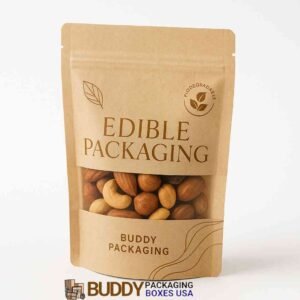
Furthermore, flexible packaging supports innovative product shapes and designs. Brands can experiment with stand-up pouches, sachets, and wrap packaging to improve functionality and visual appeal.
Sustainability and Flexible Packaging
Sustainability has become a major focus in the packaging industry. Flexible packaging helps reduce environmental impact because it uses less raw material compared to rigid alternatives.
Many manufacturers now develop recyclable films and compostable materials. These innovations allow brands to reduce plastic waste while maintaining product safety.
Flexible packaging also reduces transportation emissions. Because it weighs less and occupies less space, more products can be shipped in a single load. This efficiency lowers fuel consumption and logistics costs.
Organizations such as the Flexible Packaging Association provide research and guidelines to promote sustainable packaging solutions worldwide. Their work helps businesses adopt eco-friendly practices while maintaining high packaging standards.
Flexible Packaging vs Rigid Packaging
Rigid packaging includes glass jars, metal cans, and hard plastic containers. While these options offer durability, they require more raw materials and shipping space.
Flexible packaging, on the other hand, adapts to the shape of the product. This adaptability reduces material waste and improves storage efficiency.
Another key difference lies in manufacturing costs. Flexible packaging usually requires less energy to produce and transport. As a result, companies can save money while maintaining strong product protection.
Because of these advantages, many brands are shifting from rigid packaging to flexible alternatives.
Role of Flexible Packaging in Custom Product Packaging
Flexible packaging also supports customized packaging strategies. Businesses can easily print logos, product information, and branding elements directly onto flexible materials.
For example, companies selling baked goods often combine rigid and flexible packaging solutions. Custom bakery boxes protect delicate pastries, while flexible wraps maintain freshness during storage and delivery.
Similarly, cosmetic brands use flexible packaging for skincare products and sample sizes. Many businesses design attractive cream boxes alongside flexible sachets to create premium product experiences.
This combination of packaging styles helps brands balance protection, presentation, and sustainability.
Innovations Shaping the Future of Flexible Packaging
Technology continues to improve flexible packaging performance. Smart packaging features now allow brands to track freshness, monitor temperature, and prevent tampering.
Digital printing technology also enables short production runs and personalized packaging designs. This flexibility helps small businesses launch products without large manufacturing investments.
Another exciting development involves biodegradable and plant-based packaging materials. Researchers are creating packaging films from corn starch, seaweed, and other renewable resources.
These innovations suggest that flexible packaging will remain a key component of the packaging industry for years to come.
Challenges of Flexible Packaging
Despite its many advantages, flexible packaging also presents some challenges. Recycling multilayer materials can be difficult because different materials are bonded together.
However, many companies are developing mono-material packaging solutions. These packages use a single type of plastic that can be recycled more easily.
Another challenge involves durability compared to rigid containers. Some products require stronger protection during shipping and storage. In such cases, businesses may combine flexible and rigid packaging solutions.
Even with these challenges, the benefits of flexible packaging often outweigh its limitations.
Frequently Asked Questions (FAQ)
What is flexible packaging used for?
Flexible packaging is used for food, beverages, cosmetics, pharmaceuticals, and household products. It protects items while keeping packaging lightweight and cost-effective.
Why is flexible packaging better than rigid packaging?
Flexible packaging uses less material, reduces shipping costs, and improves storage efficiency. It also offers better customization and innovative product designs.
What materials are used in flexible packaging?
Flexible packaging typically uses plastic films, aluminum foil, paper, and multilayer laminates. These materials work together to protect products from moisture, light, and oxygen.
Is flexible packaging environmentally friendly?
Flexible packaging can be environmentally friendly because it uses less raw material and energy. Many companies now produce recyclable and biodegradable flexible packaging options.
What industries use flexible packaging the most?
The food industry uses flexible packaging the most. However, pharmaceuticals, cosmetics, and household products also rely heavily on this packaging type.
Flexible packaging has transformed how products are stored, transported, and presented to consumers. Its lightweight design, strong barrier protection, and cost efficiency make it an ideal choice for modern businesses. As technology advances, flexible packaging continues to improve in sustainability and performance.
For companies looking to improve product packaging, flexible solutions offer both practicality and branding opportunities. Whether used alone or combined with custom packaging options, flexible packaging helps brands meet consumer expectations while reducing environmental impact.