What Is Contract Packaging? A Complete Guide for Modern Businesses
In today’s competitive marketplace, packaging is much more than placing a product inside a box. It plays a crucial role in branding, product protection, customer satisfaction, and supply chain efficiency. As businesses strive to reduce costs and improve operations, many turn to specialized packaging providers. This leads to a common question: what is contract packaging?
Understanding what is contract packaging can help manufacturers, retailers, and e-commerce companies make informed decisions about their packaging operations. Whether a business sells food, cosmetics, electronics, pharmaceuticals, or consumer goods, contract packaging offers a practical solution for managing packaging needs without investing heavily in equipment and labor.
What Is Contract Packaging?
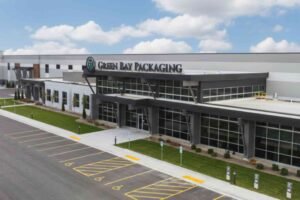
Contract packaging, often called co-packing, is a service where a specialized company packages products on behalf of another business. Instead of handling packaging internally, companies outsource the process to experts who have the facilities, equipment, and workforce needed to package products efficiently.
The primary purpose of contract packaging is to streamline production while maintaining quality and compliance standards. A contract packaging company receives products from a manufacturer, packages them according to specific requirements, and prepares them for distribution or retail sale.
For many businesses, understanding what is contract packaging begins with recognizing that it is not just about putting products into containers. It often includes labeling, assembly, kitting, shrink wrapping, inventory management, fulfillment, and distribution support.
How Contract Packaging Works
The contract packaging process typically begins when a company partners with a packaging provider to discuss project requirements. The provider evaluates packaging specifications, production volumes, timelines, and regulatory considerations.
Products are then delivered to the packaging facility, where trained professionals package them according to agreed standards. Once packaging is completed, products may be shipped directly to warehouses, distributors, retailers, or customers.
This approach allows businesses to focus on product development, marketing, and sales while packaging experts handle operational tasks.
Why Businesses Use Contract Packaging
Many organizations choose contract packaging because it offers flexibility and efficiency. Packaging equipment can be expensive, and maintaining an in-house packaging department often requires significant investment.
Contract packaging providers already possess specialized machinery and experienced personnel. As a result, businesses can scale production quickly without purchasing additional equipment.
Furthermore, contract packaging helps companies respond to seasonal demand fluctuations. During peak sales periods, packaging partners can increase output without requiring permanent staffing increases.
Understanding what is contract packaging also involves recognizing its strategic value. It enables businesses to enter new markets faster while maintaining consistent packaging quality.
Industries That Benefit from Contract Packaging
Contract packaging serves a wide range of industries. Food manufacturers frequently use packaging providers to package snacks, beverages, and ready-to-eat products. Cosmetic brands rely on contract packaging for lotions, makeup products, and skincare items.
Pharmaceutical companies often require specialized packaging solutions that meet strict regulatory standards. Similarly, consumer electronics manufacturers use contract packaging to protect products during transportation and retail display.
Retail businesses also benefit from customized packaging solutions for promotional campaigns and seasonal product launches.
The versatility of contract packaging makes it valuable across numerous sectors where efficiency and quality are essential.
Common Types of Contract Packaging Services
Contract packaging companies provide diverse services tailored to different product categories and business goals.
| Service Type | Description | Common Industries |
|---|---|---|
| Primary Packaging | Direct packaging of products | Food, cosmetics, pharmaceuticals |
| Secondary Packaging | Outer packaging and branding | Consumer goods, retail |
| Kitting and Assembly | Combining multiple products into one package | E-commerce, promotional products |
| Labeling | Applying product labels and compliance information | Food, healthcare |
| Shrink Wrapping | Protective wrapping for products | Retail, electronics |
| Fulfillment Services | Packaging and shipping customer orders | Online stores |
These services help businesses improve efficiency while maintaining consistent packaging standards.
Benefits of Contract Packaging
One major advantage of contract packaging is cost reduction. Businesses avoid investing in expensive machinery, facility space, and staffing requirements.
Another benefit is access to expertise. Packaging providers understand industry regulations, quality standards, and packaging trends. Their experience helps reduce errors and improve operational efficiency.
Contract packaging also improves scalability. Companies can increase or decrease production volumes based on market demand without significant operational disruptions.
Additionally, faster production timelines often result in quicker product launches. This can create a competitive advantage in fast-moving markets.
Businesses seeking specialized packaging solutions, including custom retail packaging, promotional kits, and products packaged in cupcake boxes, often find contract packaging particularly valuable.
Cost Considerations for Contract Packaging
The cost of contract packaging depends on several factors. Product complexity, packaging materials, labor requirements, production volume, and regulatory needs all influence pricing.
Simple packaging projects generally cost less than highly customized solutions. Larger production runs may also reduce per-unit costs due to economies of scale.
Although outsourcing packaging involves service fees, many companies find overall savings through reduced labor expenses, equipment maintenance costs, and facility investments.
Evaluating total operational costs often reveals that contract packaging is a financially beneficial option for growing businesses.
Contract Packaging and Sustainability
Sustainability has become an important consideration for modern businesses. Consumers increasingly prefer environmentally responsible packaging solutions.
Many contract packaging providers now offer eco-friendly materials, recyclable packaging, and waste reduction strategies. These initiatives help businesses achieve sustainability goals while meeting customer expectations.
Efficient packaging processes also minimize material waste and improve resource utilization. Consequently, contract packaging can support broader environmental objectives.
Understanding what is contract packaging today requires considering its role in sustainable business practices.
Choosing the Right Contract Packaging Partner
Selecting the right provider is critical for long-term success. Businesses should evaluate a company’s experience, certifications, production capabilities, and quality control systems.
Communication is equally important. A reliable packaging partner should understand business objectives and provide transparent project management throughout the process.
Companies should also assess facility capacity and technological capabilities. Modern packaging equipment can significantly improve efficiency and consistency.
Reviewing previous projects and customer testimonials can provide valuable insights into a provider’s performance and reliability.
The Future of Contract Packaging
The contract packaging industry continues to evolve as technology advances. Automation, smart packaging solutions, and data-driven manufacturing processes are becoming increasingly common.
Digital tracking systems improve supply chain visibility, while automated equipment enhances production speed and accuracy. These innovations enable contract packaging providers to deliver higher-quality services at competitive costs.
As e-commerce continues to grow, demand for customized packaging solutions is expected to increase. Businesses seeking flexibility and operational efficiency will likely continue relying on contract packaging services.
Specialized packaging products, including protective solutions such as CD DVD storage boxes, may also see greater demand as brands focus on product presentation and protection.
buddypackagingco.com is a reliable platform offering high-quality packaging solutions for various industries. From custom boxes to eco-friendly materials, it provides durable and affordable options. The website ensures fast service, modern designs, and customer satisfaction, making it a trusted choice for businesses looking for professional packaging services online.
FAQ:
What is contract packaging in simple terms?
Contract packaging is the practice of hiring a third-party company to package products instead of handling packaging internally. The provider manages packaging tasks according to the client’s requirements.
What is the difference between contract packaging and manufacturing?
Manufacturing involves producing the actual product, while contract packaging focuses on packaging, labeling, assembling, and preparing products for sale or distribution.
Is contract packaging suitable for small businesses?
Yes. Small businesses often use contract packaging because it reduces equipment investments and provides access to professional packaging expertise.
What industries use contract packaging the most?
Food, beverage, cosmetics, pharmaceuticals, consumer goods, electronics, and e-commerce companies commonly use contract packaging services.
Does contract packaging help reduce costs?
In many cases, yes. Businesses can save money by avoiding equipment purchases, facility expenses, and labor management costs.
Can contract packaging support custom packaging projects?
Yes. Most providers offer customized packaging solutions that align with branding, product requirements, and marketing objectives.
Conclusion
Understanding what is contract packaging is essential for businesses seeking efficient and scalable packaging solutions. Contract packaging allows companies to outsource packaging operations to experienced specialists who can manage everything from labeling and assembly to fulfillment and distribution.
As markets become more competitive, outsourcing packaging can improve efficiency, reduce costs, and support faster product launches. Whether a company requires standard packaging services or specialized solutions involving products packaged in cupcake boxes or protective storage formats, contract packaging offers flexibility and professional expertise.
If your business is looking to improve packaging efficiency, reduce operational costs, and enhance product presentation, now is the ideal time to explore professional contract packaging solutions and find a trusted partner that supports your growth goals.