Introduction
If you are wondering what is chips packaging, it refers to the specially designed wrapping or pouch used to protect potato chips and similar snacks from moisture, air, light, and damage. More importantly, chips packaging keeps the product fresh, crispy, and visually appealing until it reaches the customer. In today’s competitive snack market, packaging is not only about protection. It also plays a major role in branding, customer trust, and shelf visibility.
Because chips are highly sensitive to air and humidity, even a small packaging flaw can ruin their texture. That is why brands invest heavily in high-barrier materials, strong seals, and eye-catching graphics. Whether sold in supermarkets, cinemas, or convenience stores, chips rely on smart packaging to maintain taste and quality.
Understanding what is chips packaging helps businesses choose better materials, improve customer experience, and increase product sales.
Why Chips Packaging Is Important
The first purpose of chips packaging is preservation. Chips quickly lose crispness when exposed to oxygen. Therefore, manufacturers use laminated film materials that block air and moisture.
Another reason chips packaging matters is transportation safety. Chips are fragile. Without proper packaging, they can easily break during shipping or storage. Air-filled packs help reduce crushing and maintain product shape.
At the same time, packaging strongly influences purchase decisions. Customers often buy based on colour, design, and brand recognition. A bold and professional chips bag attracts attention faster than a plain one.
In many cases, brands also use packaging to communicate flavours, ingredients, and nutritional value. This creates trust and helps customers make quick buying decisions.
What Materials Are Used in Chips Packaging?
When discussing what is chips packaging, material selection is one of the most important parts. Most chips packs are made from multi-layer laminated films.
Foil and Plastic Laminates
A common chips bag combines plastic film with aluminium foil. This structure provides excellent barrier protection against oxygen, sunlight, and moisture.
The outer layer usually carries printed branding and design. The middle layer provides strength, while the inner layer keeps the food safe.
Nitrogen-Filled Pouches
Many people think chips bags are full of air. In reality, most are filled with nitrogen gas. Nitrogen helps preserve crispness and prevents the chips from breaking.
This gas also extends shelf life by reducing oxidation. As a result, the flavour remains stable for longer.
Eco-Friendly Packaging Options
Modern brands are moving toward recyclable and biodegradable films. Sustainable packaging has become a major trend, especially for eco-conscious snack brands.
Businesses looking for custom food packaging often explore solutions similar to CBD boxes for premium protection and branding inspiration.
How Chips Packaging Protects Freshness
Freshness is the heart of snack quality. When people ask what is chips packaging, the real answer lies in product protection.
The package creates a sealed environment that prevents outside air from entering. Since chips contain oil, exposure to oxygen can make them stale or rancid.
Moisture control is equally important. Even slight humidity can soften chips and ruin their crunch. High-barrier films stop water vapour from entering the bag.
Temperature stability also matters. Good chips packaging protects the snack during warehousing and shipping, especially in warm climates.
Because of these protective features, chips can stay fresh for months without losing taste.
The Role of Design in Chips Packaging
Packaging design directly affects brand identity. In fact, many customers first notice the packaging before reading the brand name.
Bright colours often represent flavour profiles. Red may signal spicy chips, green may suggest sour cream, and yellow often indicates classic salted flavour.
Typography also matters. Bold fonts create shelf visibility, while clean layouts improve readability.
Moreover, product images on the pack help customers instantly understand the flavour. This reduces confusion and speeds up purchasing decisions.
Premium snack brands often use matte finishes, metallic textures, and embossing to create a luxury feel. This approach improves perceived product value.
For bakery-style snack concepts and creative structural ideas, many brands also take inspiration from packaging styles like the choux box, which focuses heavily on visual elegance and customer presentation.
Different Types of Chips Packaging
There are several formats available depending on brand goals and market placement.
Pillow Pouches
This is the most common chips packaging style. It is lightweight, affordable, and easy to stack on shelves.
Stand-Up Pouches
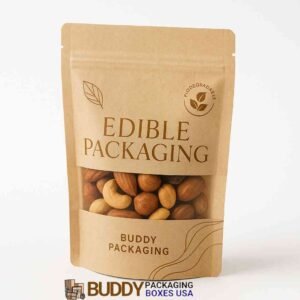
These pouches stand vertically, offering better shelf presence. They are popular for premium and gourmet chips.
Boxed Chip Packs
Some brands combine flexible inner pouches with rigid outer boxes. This method improves premium presentation and gift appeal.
Single-Serve Packs
Small packs are ideal for vending machines, school lunches, and travel snacks. They focus on convenience and portion control.
What Is Chips Packaging in Branding Strategy?
From a branding perspective, what is chips packaging goes beyond simple wrapping. It becomes part of the customer experience.
The packaging tells the story of the brand. It communicates whether the chips are premium, healthy, spicy, organic, or fun.
For example, minimal packaging often signals health-conscious or artisan products. In contrast, vibrant graphics suggest bold flavours and youth appeal.
Brand consistency across flavours also builds recognition. When customers can instantly identify a brand from the bag alone, packaging has done its job well.
This emotional connection often turns first-time buyers into repeat customers.
Common Challenges in Chips Packaging
Despite its importance, chips packaging comes with several challenges.
One major issue is balancing durability with sustainability. Many high-barrier films are difficult to recycle.
Another challenge is cost. Premium laminates and advanced printing increase production expenses.
Size optimisation is also critical. Oversized bags may frustrate customers, while undersized packs can lead to chip breakage.
Additionally, global brands must ensure packaging meets food safety laws in different countries. This includes material compliance, labelling rules, and shelf-life standards.
If you are wondering what does Amazon gift packaging look like, it usually features a clean, premium presentation designed to make unboxing feel special. Items are often wrapped in an elegant gift bag or sturdy branded box, finished with decorative ribbon and a personalised message card. The packaging keeps the product secure while adding a stylish touch, making it ideal for birthdays, holidays, and surprise deliveries sent directly to friends, family, or colleagues.
FAQs
What is chips packaging made of?
Chips packaging is usually made of multi-layer plastic and aluminium foil laminates. These materials block air, moisture, and light.
Why are chips bags filled with gas?
They are filled with nitrogen gas, not regular air. Nitrogen keeps chips fresh and prevents breakage during shipping.
Why is chips packaging so big?
The extra space protects the chips from crushing. It also allows nitrogen to circulate inside the bag.
Can chips packaging be eco-friendly?
Yes, many brands now use recyclable or biodegradable films to reduce environmental impact.
What makes good chips packaging?
Good chips packaging protects freshness, prevents damage, looks attractive, and clearly shows flavour and branding
So, what is chips packaging? It is the science and strategy of protecting chips while making them attractive to buyers. From moisture barriers to nitrogen filling and premium branding, every packaging detail supports freshness and sales.
For snack brands, the right packaging can increase shelf appeal, improve customer trust, and reduce product waste. At the same time, modern sustainable materials offer smarter long-term solutions.
If you are building a snack brand or upgrading your product presentation, investing in professional chips packaging is one of the smartest decisions you can make. Choose packaging that keeps your chips crisp, your branding memorable, and your customers coming back for more.