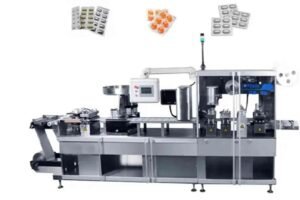
Packaging plays a crucial role in how products reach customers safely and attractively. Many people often ask, what does a packaging engineer do, especially when exploring careers in manufacturing or product development. A packaging engineer designs, tests, and improves packaging solutions that protect products and enhance brand value. Their work combines engineering principles, sustainability practices, and consumer-focused design.
In today’s competitive market, companies rely heavily on skilled packaging professionals. These engineers ensure products remain secure during transportation and storage. At the same time, they create packaging that appeals to customers and meets regulatory requirements. From food packaging to electronics and medical supplies, packaging engineers shape the way products are presented and delivered.
Understanding what does a packaging engineer do helps reveal how important this role is in modern supply chains. Their work touches manufacturing efficiency, environmental sustainability, and customer satisfaction.
The Role of a Packaging Engineer in Modern Industry
When people search for what does a packaging engineer do, they often imagine someone simply designing boxes. However, the role goes far beyond creating containers. Packaging engineers develop systems that protect products from damage, moisture, contamination, and temperature changes.
They collaborate with product designers, marketing teams, and supply chain specialists. Their goal is to ensure packaging aligns with brand identity while remaining cost-efficient. This balance between functionality and marketing impact makes packaging engineering both technical and creative.
A packaging engineer also studies shipping environments. Products experience vibration, pressure, and temperature shifts during transportation. Engineers simulate these conditions in laboratories to ensure packages survive real-world handling.
According to the U.S. Bureau of Labor Statistics, engineering roles tied to manufacturing and packaging continue to grow as companies prioritize sustainability and logistics efficiency. More details about engineering roles can be explored through authoritative resources such.
Why Packaging Engineering Matters for Businesses
Companies invest heavily in packaging because it directly influences product safety and brand perception. Understanding what does a packaging engineer do highlights how businesses reduce losses and improve customer experiences.
A well-designed package prevents damage during transportation. Even minor improvements can save companies millions in product returns and replacements. Packaging engineers analyze materials, weight, durability, and cost before finalizing a design.
They also optimize packaging to reduce shipping expenses. Smaller or lighter packages lower transportation costs and reduce environmental impact. As sustainability becomes a global priority, packaging engineers lead efforts to reduce plastic waste and adopt recyclable materials.
Furthermore, packaging communicates a brand’s identity. Packaging engineers work closely with marketing teams to create designs that stand out on store shelves. Attractive packaging often influences purchase decisions.
What Does a Packaging Engineer Do in Daily Work?
Many professionals wonder about the everyday tasks behind what does a packaging engineer do. Their work involves research, testing, design, and collaboration with multiple departments.
Packaging engineers spend significant time analyzing materials. They test plastics, cardboard, metals, and biodegradable materials to determine durability and cost effectiveness. These materials must protect products without increasing manufacturing expenses.
Engineers also use specialized software to design packaging structures. Computer-aided design tools allow them to create prototypes and evaluate performance before production begins. This digital modeling reduces development costs and speeds up innovation.
Another key responsibility involves testing packaging performance. Engineers simulate shipping conditions to evaluate strength and reliability. They conduct drop tests, vibration tests, and compression tests to ensure packages withstand real transportation conditions.
Communication plays a vital role in the job. Packaging engineers coordinate with suppliers, manufacturing teams, and logistics partners. Their goal is to ensure packaging designs remain practical for production and distribution.
The Skills Required to Become a Packaging Engineer
Understanding what does a packaging engineer do also requires examining the skills needed for the profession. Packaging engineers combine technical knowledge with creative problem-solving abilities.
Engineering knowledge forms the foundation of the role. Most professionals hold degrees in packaging engineering, mechanical engineering, or materials science. These programs teach structural design, material properties, and manufacturing processes.
Problem-solving skills are equally important. Packaging engineers must find solutions that balance protection, cost, sustainability, and aesthetics. Every design decision affects shipping efficiency and product safety.
Attention to detail is another critical skill. Small packaging flaws can lead to large financial losses. Engineers carefully analyze every component of a packaging system to prevent failures.
Communication and teamwork also play essential roles. Packaging engineers collaborate with designers, marketers, and supply chain managers. Clear communication ensures that packaging supports both product protection and brand messaging.
Materials Packaging Engineers Commonly Work With
To fully understand what does a packaging engineer do, it helps to explore the materials they use regularly. Packaging engineers evaluate a wide range of materials based on performance, cost, and environmental impact.
Cardboard and corrugated materials remain widely used due to their affordability and recyclability. Engineers design corrugated structures that provide strong protection while remaining lightweight.
Plastic materials also play a major role in packaging design. Engineers analyze different plastic types to balance durability and environmental concerns. Many companies now prioritize biodegradable or recyclable plastics.
Glass and metal packaging are common in industries like food, beverages, and cosmetics. Engineers evaluate sealing techniques, weight distribution, and protective cushioning for these materials.
Custom packaging solutions are increasingly popular as brands seek unique presentations. For instance, companies designing specialized bakery packaging often use tailored solutions like bagel packaging to maintain freshness and visual appeal.
Similarly, industries such as healthcare require highly specialized packaging. Medical products frequently use protective packaging such as contact lens boxes to maintain sterility and prevent contamination.
Sustainability and the Future of Packaging Engineering
Environmental responsibility has become central to discussions about what does a packaging engineer do today. Consumers increasingly demand eco-friendly packaging, and governments introduce stricter environmental regulations.
Packaging engineers play a critical role in reducing waste and carbon emissions. They analyze materials that offer durability while remaining recyclable or biodegradable. Engineers also work to minimize excess packaging without compromising protection.
Many companies now prioritize circular packaging systems. These systems allow materials to be reused or recycled multiple times. Packaging engineers design products with this lifecycle in mind.
Sustainability also includes reducing transportation emissions. Engineers optimize package dimensions to improve shipping efficiency. Smaller packages allow more products per shipment, reducing fuel consumption.
Organizations such as the Institute of Packaging Professionals provide resources on sustainable packaging innovation. More information can be found.
Through continuous research and development, packaging engineers are shaping the future of sustainable product delivery.
Industries That Hire Packaging Engineers
When exploring what does a packaging engineer do, it becomes clear that many industries rely on these professionals. Packaging engineers work across manufacturing, retail, healthcare, and technology sectors.
The food and beverage industry employs many packaging engineers. These professionals ensure food remains fresh and safe during storage and transportation. Packaging must also meet strict food safety regulations.
Electronics companies rely on packaging engineers to protect fragile devices. Products like smartphones, laptops, and accessories require specialized cushioning and anti-static packaging materials.
The pharmaceutical and medical industries depend heavily on precise packaging systems. Medicines and medical devices require sterile environments and strict compliance with regulatory standards.
Retail and e-commerce companies also need packaging engineers. Online shopping has increased the demand for durable shipping packages. Engineers design packaging that survives long transportation routes.
Career Path and Salary Expectations
Many students researching what does a packaging engineer do also want to understand career opportunities. Packaging engineering offers strong career prospects due to growing demand in manufacturing and logistics.
Most packaging engineers begin their careers with internships or entry-level engineering roles. These positions provide experience in testing materials and assisting with packaging development projects.
With experience, engineers often advance into senior design roles or project management positions. Some professionals specialize in sustainability or supply chain optimization.
Salary levels vary depending on location and industry. In the United States, packaging engineers often earn competitive salaries within the engineering field. Experienced professionals can earn significantly higher salaries, especially in industries such as pharmaceuticals and technology.
Continuous learning also plays a key role in career growth. Packaging engineers frequently attend industry conferences and training programs to stay updated on new technologies.
Technology Transforming Packaging Engineering
Technology continues to reshape the answer to what does a packaging engineer do. Advanced tools and digital systems allow engineers to design more efficient and sustainable packaging solutions.
Computer-aided design software allows engineers to simulate packaging structures before production. These simulations help identify weaknesses and improve performance early in development.
Automation also improves manufacturing efficiency. Packaging engineers design systems compatible with automated packaging lines, reducing labor costs and increasing production speed.
Data analytics plays an increasing role in packaging decisions. Engineers analyze shipping data and damage reports to refine packaging designs. These insights help reduce product losses and improve customer satisfaction.
Innovations such as smart packaging are also emerging. Smart packaging uses sensors and indicators to monitor product conditions during transportation. These technologies help ensure product quality, especially in temperature-sensitive industries.
Companies that invest in sustainable packaging design continue to gain competitive advantages by combining engineering innovation with environmental responsibility.
So, what does a packaging engineer do in today’s evolving industries? Packaging engineers design and improve packaging systems that protect products, reduce costs, and enhance brand experiences. Their work combines engineering expertise, creativity, and sustainability awareness.
From selecting materials to testing packaging performance, these professionals ensure products arrive safely and efficiently. Their role also supports environmental goals by reducing waste and improving recyclability.
As global commerce expands and sustainability becomes more important, the demand for skilled packaging engineers will continue to grow. Businesses increasingly recognize packaging as a strategic advantage rather than just a container.
FAQ: What Does a Packaging Engineer Do?
What does a packaging engineer do on a daily basis?
A packaging engineer designs and tests packaging systems that protect products during storage and transportation. Their daily tasks include analyzing materials, creating packaging prototypes, and conducting performance tests. They also collaborate with marketing and logistics teams to ensure packaging meets branding and distribution requirements.
What degree do you need to become a packaging engineer?
Most packaging engineers hold a degree in packaging engineering, mechanical engineering, or materials science. These programs teach structural design, material properties, and manufacturing processes relevant to packaging development.
Is packaging engineering a good career?
Packaging engineering is considered a strong career due to growing demand in manufacturing and e-commerce industries. Companies constantly need experts who can design efficient and sustainable packaging solutions.
How much do packaging engineers earn?
Packaging engineer salaries vary by industry and experience level. Entry-level engineers earn competitive starting salaries, while experienced professionals often earn significantly more in specialized sectors like pharmaceuticals or electronics.
What industries hire packaging engineers?
Packaging engineers work in many industries, including food production, pharmaceuticals, electronics, cosmetics, and e-commerce. Any company that manufactures or ships products may require packaging engineering expertise.